In the world of glass handling, efficiency and safety are paramount. What is the benefit of using a vacuum lifter for glass? This innovative tool offers several advantages that can streamline operations in various settings. Vacuum lifters significantly reduce the risk of breakage during handling. They provide a secure grip, allowing workers to lift large sheets of glass with ease. This leads to fewer accidents and less waste.
Moreover, vacuum lifters enhance productivity. Workers can move glass quickly and efficiently, reducing the time spent on each task. The ergonomic design minimizes the strain on workers. This means fewer work-related injuries and a healthier workforce overall. However, it’s worth noting that proper training on vacuum lifter usage is essential. Misuse can lead to accidents, defeating the purpose of safety enhancements.
Glass handling often requires precision. Vacuum lifters provide the control needed for accurate placement. Their adjustable features allow for various glass shapes and sizes. While these tools offer many benefits, they are not a one-size-fits-all solution. Regular maintenance and checks are necessary to ensure optimal performance. In conclusion, vacuum lifters are revolutionizing glass handling, combining safety with efficiency.
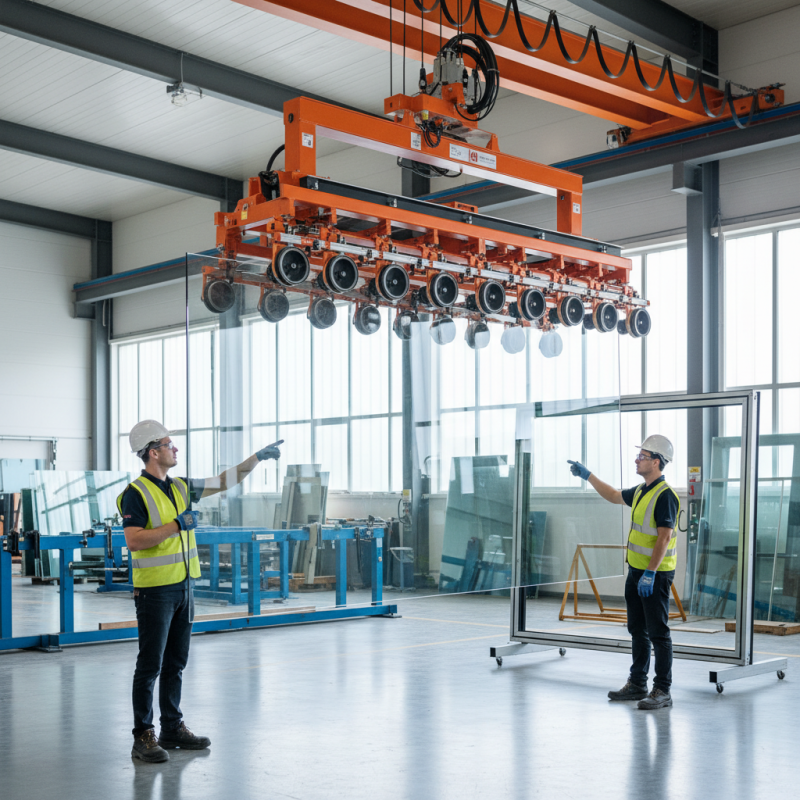
Vacuum lifters are transforming glass handling processes across various industries. These devices provide a safer and more efficient means of lifting and moving glass sheets. The primary advantage of using vacuum lifters is their ability to distribute weight evenly. This reduces the risk of damaging the glass during transport. Additionally, vacuum lifters significantly lower the chance of employee injuries. Workers no longer need to strain their backs by lifting heavy glass manually.
Another notable benefit is the speed of operation. Vacuum lifters can quickly attach to and release glass, streamlining workflows. This efficiency increases productivity on job sites. Furthermore, vacuum lifters can handle various sizes and shapes of glass, enhancing versatility. However, it is essential to consider that regular maintenance is necessary to ensure optimal performance. Neglecting this aspect could lead to decreased efficiency or the risk of accidents.
Effectively training staff on using vacuum lifters is crucial. Without proper training, users might not utilize the lifters to their full potential. While the technology is intuitive, mistakes can happen. Ensuring that workers understand the device's capabilities can prevent mishaps. As industries continue to evolve, vacuum lifters stand out as a reliable solution for glass handling.
Vacuum lifters play a crucial role in glass handling. They use suction to lift and move glass safely. The mechanism involves vacuum pumps that create negative pressure. When a non-porous surface is sealed, the lifter securely grips the glass. This prevents breakage during transport. It’s a simple yet effective design that improves efficiency.
The functionality of these lifters centers on precision and safety. They reduce the risk of injury by minimizing manual handling. Workers can move large sheets of glass without straining or dropping them. However, there are challenges. Maintaining the vacuum seal is essential. A malfunction could lead to accidents or damaged materials. Regular maintenance is necessary for optimal performance.
Operators need proper training to use vacuum lifters effectively. Understanding weight limits and proper grip techniques is vital. Misuse or lack of knowledge can result in problems.
Therefore, while vacuum lifters enhance glass handling, careful operation is crucial for safety.
Vacuum lifters offer significant safety benefits in glass handling. Glass is notoriously fragile and dangerous when transported manually. According to the American Association for Occupational Safety and Health, injuries from handling glass account for over 25% of workplace incidents in the construction industry. Vacuum lifters reduce these risks dramatically. They minimize human contact with glass, lowering the chance of slips and accidents.
One notable advantage of vacuum lifters is their ability to securely grasp large glass panels. These machines can handle weights up to 2,000 pounds, significantly reducing the risk of breakage. With a well-designed vacuum system, glass remains stable during transport. This enhances safety not only for workers but also for nearby personnel. An OSHA report highlights that workplaces using vacuum technology report a 40% decrease in accidents related to glass handling.
Despite these advantages, it's crucial to maintain vacuum equipment properly. Regular checks ensure the vacuum strength remains effective. Neglected maintenance can lead to malfunctions. While vacuum lifters greatly improve safety, reliance on them without adequate training may still pose risks. Therefore, a balanced approach combining technology and human oversight is essential to achieve optimal safety.
In the world of glass handling, efficiency is paramount. Vacuum lifters are transforming traditional practices. These devices significantly reduce manual handling time. Workers enjoy improved safety and reduced fatigue. With less physical strain, errors decrease. Consequently, the entire workflow becomes smoother and faster.
Moreover, vacuum lifters offer precise control. Operators can position glass panels accurately. This precision minimizes the risk of damage. Fewer breaks lead to cost savings and reduced waste. Many industries notice sharper production timelines and smoother logistics. However, integrating newer technology does require training. Employees may need time to adjust. This transition period can be challenging, but it's often worth the effort.
It's also essential to consider maintenance. Regular checks are necessary for optimal performance. If neglected, equipment can fail, leading to delays. Businesses must balance the advantages of vacuum lifters with the need for ongoing upkeep. Reflecting on these factors helps companies utilize vacuum technology effectively. Adapting to change can be a learning curve, but the rewards can be significant.
| Advantage | Description | Efficiency Level | Cost Saving (%) |
|---|---|---|---|
| Increased Safety | Reduces risk of injuries associated with manual handling. | High | 20% |
| Faster Handling | Vacuum lifters enable quicker lifting and moving of glass. | Medium | 15% |
| Precision Handling | Allows for accurate placement of glass sheets without damage. | High | 10% |
| Reduced Labor Costs | Less manual labor required for glass handling tasks. | Medium | 25% |
| Versatility | Can handle various sizes and types of glass panels. | High | 5% |
Vacuum lifters have transformed the glass industry, making glass handling safer and more efficient. In manufacturing, these devices can lift large sheets of glass with minimal effort. They reduce the risk of breakage, which is crucial given the delicate nature of glass. Workers can operate vacuum lifters easily, allowing for better precision and speed in tasks. This not only streamlines production but also enhances workplace safety.
In construction and installation, vacuum lifters play a critical role. They assist in positioning heavy glass panels on buildings, ensuring that they are placed accurately. This reduces the physical strain on workers and lowers the chance of accidents. The use of vacuum lifters can also minimize the potential for damaging the glass, preserving its quality. Despite their advantages, some operators may initially face challenges in learning proper techniques. Ensuring proper training is necessary for maximizing these machines’ benefits. Reflection on this learning curve can lead to improved processes and overall better performance in glass handling.
The chart below illustrates the key advantages of using vacuum lifters in the glass handling industry, showcasing their impact on safety, efficiency, and cost-effectiveness.
: They provide safer lifting and moving processes. They distribute weight evenly, reducing glass damage risk.
They eliminate the need for manual lifting, lowering the chance of employee injuries. This helps prevent back strain.
Vacuum lifters attach and release glass quickly. This streamlines workflows and boosts productivity on job sites.
Yes, they are versatile and can manage various sizes and shapes of glass efficiently.
Regular maintenance is crucial. Neglecting maintenance can reduce efficiency and increase accident risks.
Proper training ensures workers understand how to use the device safely. Mistakes can occur without adequate knowledge.
A malfunction may lead to accidents or glass damage. Maintaining the vacuum seal is critical for safety.
Yes, misuse can happen if operators lack training. Understanding weight limits and grip techniques is vital.
Yes, mistakes can happen, especially without proper training. Continuous learning is necessary for safety.
They use suction created by vacuum pumps. This grips the glass securely and prevents breakage during transport.
Vacuum lifters offer significant advantages in glass handling, primarily by enhancing safety, efficiency, and operational effectiveness. What is the benefit of using a vacuum lifter for glass? These devices minimize the risk of accidents and injuries associated with manual handling by securely lifting and transporting glass panels without physical strain. Their design allows for seamless movement and placement, reducing the likelihood of damage to fragile materials during transport.
Additionally, vacuum lifters improve efficiency in the glass industry by speeding up the handling processes, which can lead to increased productivity. The mechanism of these lifters ensures a secure grip on various sizes and shapes of glass, facilitating easy manipulation and installation. Overall, vacuum lifters represent a vital innovation in the glass handling process, combining safety and efficiency to enhance workflow.

Pak Lift