In the lifting gear industry, understanding "What are the environmental factors affecting lifting gear performance" is critical. Dr. Emily Carter, a leading expert in mechanical engineering, states, "Environmental conditions can significantly alter the effectiveness and durability of lifting equipment." This highlights the need for thorough evaluations.
Various environmental elements can impact lifting gear. High humidity levels might lead to rust, while extreme temperatures can cause material fatigue. Dust and debris in construction zones may also affect the operational efficiency of equipment. These factors are not always visible but can have long-term consequences.
Moreover, the implications of overlooking these environmental factors can be severe. Equipment failure may result in costly downtime and safety hazards. Reflecting on these issues allows industry professionals to prioritize equipment maintenance and environmental considerations, improving overall safety and productivity.
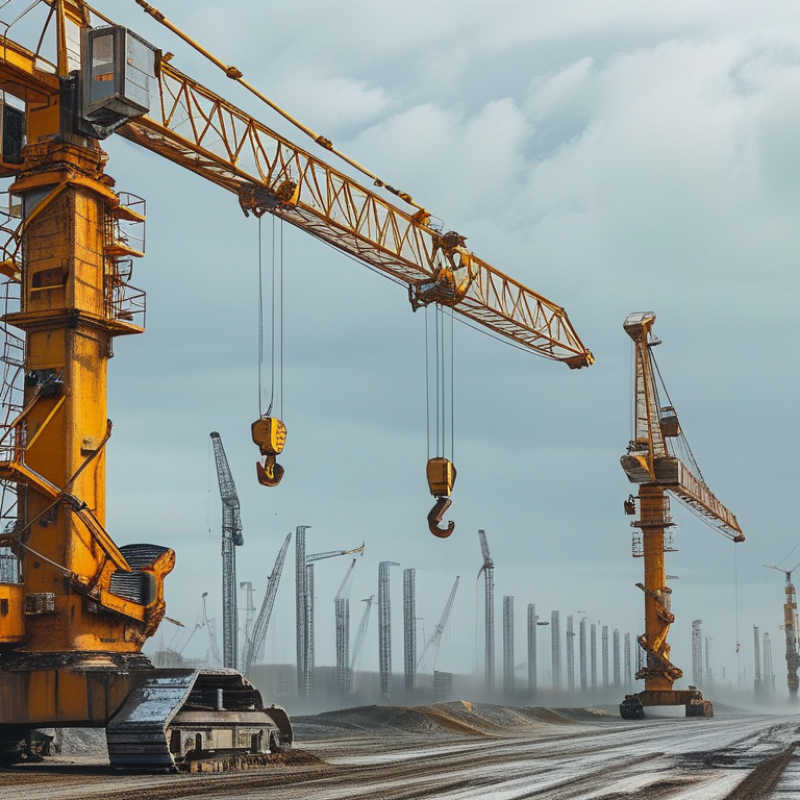
Environmental factors play a significant role in the performance of lifting gear. Temperature extremes can impact the equipment's physical properties. A study by the Lifting Equipment Engineers Association (LEEA) indicates that materials can become brittle at low temperatures, leading to potential failures. Conversely, excessive heat can cause thermal expansion, affecting load capacity and gear alignment.
Humidity is another critical factor. High levels can lead to corrosion, particularly in steel components. The Occupational Safety and Health Administration (OSHA) reports that up to 25% of lifting incidents in humid environments are linked to corrosion-related failures. Proper maintenance in such conditions is vital, yet often neglected. Routines may become less frequent, especially if conditions aren’t visibly detrimental.
Wind can also influence lifting operations, particularly on construction sites. Strong gusts can destabilize loads or make handling more challenging. According to the International Journal of Engineering Research, around 15% of lifting accidents are due to high winds. Understanding how weather interacts with lifting gear is essential for safety and efficiency. Practitioners must adapt to environmental conditions or risk severe operational setbacks.
Temperature variations significantly impact the efficiency of lifting gear. As temperature fluctuates, materials can expand or contract, affecting their structural integrity. For instance, steel loses about 0.0065% of its strength for every degree Celsius increase in temperature. This loss can compromise lifting gear performance, leading to potential failures.
In extreme temperatures, lubricants may also perform poorly. According to the American Society of Mechanical Engineers (ASME), high temperatures can degrade lubrication properties, increasing friction and wear on moving parts. This degradation results in higher operational costs and decreased reliability. Moreover, cold temperatures can make materials brittle, raising the risk of breakage during lifting operations.
Environmental factors play a crucial role in the lifespan of lifting gear. A study from the National Institute of Standards and Technology (NIST) highlights that a significant percentage of equipment failures stem from inadequate material selection for specific temperature ranges. Industry professionals must consider these aspects to ensure safety and longevity in lifting operations. Addressing these temperature-related challenges requires careful planning and continuous monitoring.
Humidity significantly affects the performance of lifting gear. High humidity levels can lead to material degradation, reducing the effectiveness of various components. Steel, for instance, is susceptible to corrosion. Rust can form quickly in humid environments, weakening the metal.
In addition, synthetic materials may also suffer. Humidity can cause warping or chemical breakdown in certain plastics. This degradation can compromise load-bearing capabilities. Inspecting equipment regularly is crucial. It helps ensure that humidity has not caused unseen damage.
Operators in humid conditions often overlook maintenance. This oversight can lead to failures when the gear is under high load. Awareness of environmental factors is vital. Realizing that humidity is not just a number on a chart can change how teams approach lifting operations. Making small adjustments, like choosing suitable materials, can enhance gear performance significantly.
Air quality plays a crucial role in the durability of lifting gear. Pollutants in the air can accelerate wear and tear on materials. Dust, smoke, and chemical emissions can form corrosive elements that weaken components over time. Such degradation may lead to increased maintenance costs and shorter equipment lifespan.
Regular inspections are essential. However, even with thorough checks, some impacts may go unnoticed. Fine particulates can settle on lifting gear, leading to slow, imperceptible damage. This type of damage often requires specialized knowledge to identify. Operators and maintenance teams should be trained to recognize the signs of air quality-related wear.
Innovative materials and protective coatings are effective but may not be foolproof. It is crucial to assess environmental conditions continually. An indoor environment may differ significantly from outdoor conditions. Not all lifting gear is designed for harsh air quality. Thus, understanding specific operational environments is vital for maintaining gear performance and reliability.
| Environmental Factor | Impact on Lifting Gear | Durability Rating (1-10) | Recommendation for Maintenance |
|---|---|---|---|
| Air Quality | High levels of pollutants can corrode lifting gear materials. | 6 | Regular cleaning and protective coatings. |
| Humidity | Excess moisture can lead to rusting and mechanical failure. | 4 | Use desiccants and store in climate-controlled areas. |
| Temperature Variations | Extreme temperatures can affect the flexibility of materials. | 5 | Monitor temperature and adjust storage conditions. |
| Dust and Abrasives | Particles can cause wear and damage to moving parts. | 7 | Implement air filtration systems. |
| UV Exposure | Can degrade plastic and rubber components. | 6 | Use UV-resistant materials or covers. |
Wind conditions are a critical factor in lifting operations. High winds can significantly affect the stability and safety of lifting gear. Operators must be aware of wind speed and direction during lifts. A sudden gust can alter the load's trajectory, increasing the risk of accidents. Workers should be trained to assess wind impact regularly.
Operational safety requires constant vigilance. Unexpected changes in weather can occur, sometimes without warning. Lifting gear that performs well under calm conditions may struggle in windy situations. This highlights the need for proper risk assessments before every lift. Team leaders should communicate effectively about wind conditions with the crew.
Evaluating lifting gear performance involves understanding the local environment. Sites near bodies of water or open fields may experience stronger winds. Operators should note these factors in their planning process. Acknowledge that not all weather conditions will be favorable. The right decision might be to postpone a lift until conditions improve.
: Temperature extremes can make materials brittle or cause thermal expansion, leading to potential failures.
High humidity levels can cause corrosion in steel components, increasing the risk of lifting incidents.
Yes, maintenance usually becomes less frequent despite corrosion risks being higher, which can lead to accidents.
Strong winds can destabilize loads, altering their trajectory and heightening the risk of accidents during lifts.
Operators must assess wind speed and direction, as sudden gusts can affect load stability.
Weather can change unexpectedly, and lifting gear may perform poorly under adverse conditions without warning.
It might be best to postpone lifts until conditions improve, acknowledging not all weather will be suitable.
Sites near open fields or bodies of water often experience stronger winds that can complicate operations.
The performance of lifting gear is significantly influenced by various environmental factors. Key aspects include temperature variations, which can affect the efficiency and functionality of lifting equipment. High or low temperatures can lead to mechanical stress and operational inefficiencies. Additionally, humidity levels play a crucial role in material degradation, as excessive moisture can weaken components and reduce their overall performance.
Air quality is another vital factor, with pollutants potentially leading to corrosion and diminishing the durability of lifting gear. Furthermore, understanding wind conditions is essential for safe lifting operations, as strong winds can pose risks during lifting activities. In summary, when considering "what are the environmental factors affecting lifting gear performance," it is clear that temperature, humidity, air quality, and wind conditions are critical for ensuring the optimal and safe use of lifting gear in various environments.

Pak Lift