Why does my hoist keep tripping the circuit breaker? The answer usually begins with current, heat, and changing load conditions. A hoist may trip because of an overloaded motor, damaged cable, incorrect breaker sizing, or a failing control component. Moisture inside a pendant can also create a sharp, immediate trip. The smell of warm insulation matters. So does a breaker that feels hot after lifting.
The U.S. Occupational Safety and Health Administration identifies electrical hazards, improper maintenance, and unsafe crane operation as serious workplace risks. OSHA’s Overhead and Gantry Cranes guidance also stresses inspection, maintenance, and competent operation. The Electrical Safety Foundation International reports that workplace electrical incidents continue to cause thousands of injuries annually. These reports do not diagnose one hoist. They show why repeated trips deserve investigation, not repeated resets. NFPA electrical engineer Richard Campbell has stated, “Electrical safety is a shared responsibility.” That principle applies directly here.
This guide examines seven practical fixes, from checking the load rating to testing motor insulation and supply voltage. It also considers less obvious causes, including voltage drop during startup and loose terminals inside the disconnect. Some symptoms overlap. A weak breaker can resemble a failing motor. A worn contactor can imitate overload protection. That uncertainty is real. Record when the trip occurs, what the hoist is lifting, and whether the motor sounds strained. Then involve a qualified electrical professional before opening energized equipment. A quick reset may restore movement, but it may hide a developing failure.
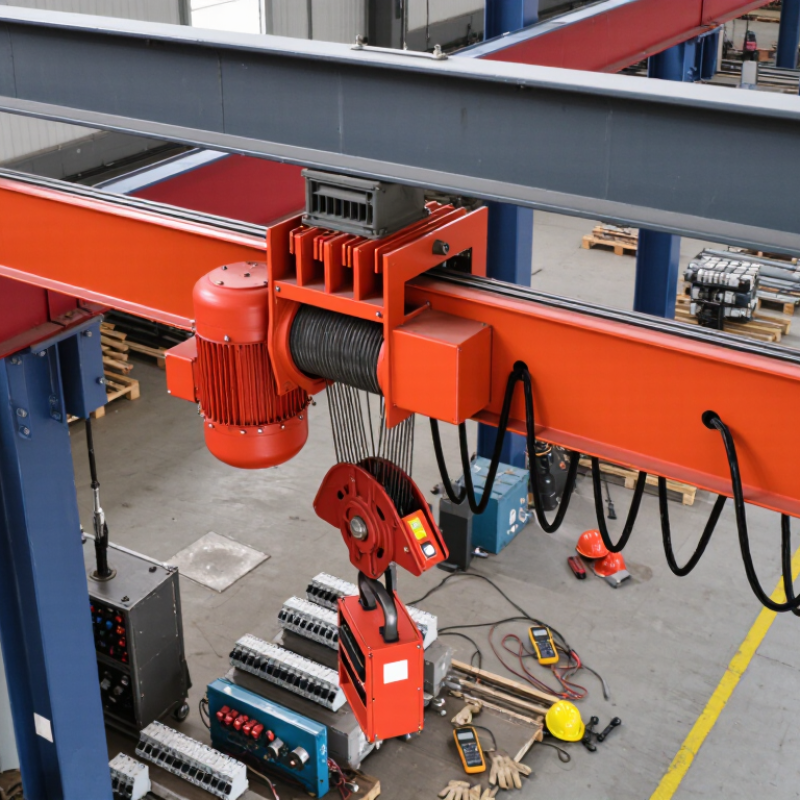
7 Best Fixes for Hoist Circuit Breaker Trips
A hoist breaker usually trips for a reason, not a mystery. Overload, short circuits, ground faults, voltage drops, and motor inrush are common causes. A heavy load may lift normally, then trip during acceleration. A warm, discolored terminal suggests resistance from a loose connection. Dust, moisture, and damaged insulation can create intermittent faults that disappear during testing.
Start with evidence. Record the load weight, trip timing, motor temperature, and supply voltage. Measure current on every phase with a calibrated meter. Compare readings with the hoist’s rated current and duty cycle. The U.S. Bureau of Labor Statistics recorded 126 fatal occupational injuries involving electricity in 2021. That figure does not prove every trip is dangerous, but it supports disciplined isolation and testing. Never keep resetting the breaker.
Qualified technicians should inspect contactors, brake coils, cable glands, limit switches, and grounding continuity. They should also test insulation resistance after isolating sensitive electronics. Check whether the breaker’s trip curve matches the motor’s starting current. Undersized protection trips early; oversized protection may fail to protect conductors. NFPA 70B emphasizes documented electrical maintenance, yet many sites still rely on memory. That is a weakness worth admitting. Tighten terminals to the manufacturer’s specified torque, remove contamination, correct phase imbalance, and replace damaged cables. A trip log can reveal patterns that one inspection misses.
A hoist circuit breaker often trips because the power supply cannot support the real load. Begin with a qualified electrical inspection, not repeated resets. Confirm the rated voltage at the disconnect, then measure voltage during lifting and lowering. A significant drop suggests an undersized feeder, loose termination, or overloaded circuit. OSHA’s 1910.179 requirements emphasize proper disconnecting means and electrical protection for overhead and gantry cranes.
Inspect the full path. Check the disconnect, fuses, contactors, pendant cable, festoon conductors, junction boxes, and grounding conductor. Look for darkened insulation, melted lugs, cracked plugs, moisture, and loose strands. Torque connections according to the equipment manufacturer’s specifications. Never judge tightness by sight alone. Infrared scanning can reveal hot terminals before visible damage appears. The NFPA Fire Protection Research Foundation identifies loose connections and overloaded conductors as recurring contributors to electrical failures. ESFI’s analysis of 2020 BLS data recorded 126 workplace electrical fatalities and about 2,460 nonfatal electrical injuries.
Then separate supply faults from hoist faults. Test the circuit with the hoist isolated, followed by controlled testing under load. A breaker that trips instantly may indicate a short circuit. A delayed trip may indicate overload, heat, or deteriorating insulation. I once focused on the motor and missed a loose disconnect lug. That mistake cost time. It also showed why a written inspection sequence matters. Do not increase breaker size to stop nuisance trips. That can hide a dangerous wiring problem. Record voltage, current, temperature, and each corrective action for future troubleshooting.
A hoist circuit breaker trip is often blamed on the breaker too soon. Check the motor, brake, and control circuit first. The U.S. Department of Energy’s Improving Motor and Drive System Performance report estimates that motor-driven systems consume about 68% of industrial electricity. Small defects can therefore create serious heat and energy losses.
Measure motor current on every phase, then compare readings with the nameplate rating. Unequal current may indicate winding damage, loose terminals, or a failing contactor. Test insulation only with suitable equipment and trained personnel. Inspect the brake coil, rectifier, air gap, and mechanical release. A dragging brake can make the motor work like it is climbing a hill. It can also trip the breaker during lifting. Check for dust, oil, cracked wiring, and a brake that opens slowly.
Then examine the pendant, limit switches, control transformer, interlocks, and emergency-stop circuit. A damaged control cable can produce intermittent faults. Tighten terminals and inspect grounding connections. Record each trip, load weight, temperature, and motion direction. NFPA 70B emphasizes documented, condition-based electrical maintenance, not guesswork. I have seen crews replace breakers before checking a loose neutral. That diagnosis was wrong. Use lockout/tagout procedures, verify isolation, and adjust protection only after confirming the manufacturer’s design data and the measured fault condition.
A hoist circuit breaker that trips is signaling a fault, not an inconvenience. Repeated resets can damage conductors or hide a serious hazard. Isolate the hoist, apply the site’s lockout procedure, and verify zero voltage with a properly rated tester. Do not guess.
Seven practical fixes begin with testing the load. Use a clamp meter while the hoist lifts its normal rated load. A current reading above the breaker rating suggests overloading, a seized brake, poor lubrication, or mechanical binding. Inspect the hook, drum, trolley wheels, and cable path for resistance. Remove unnecessary load before testing again.
Short circuits need a careful inspection of terminals, pendant controls, contactors, and crushed cable sections. Look for melted insulation, loose strands, or a sharp metal edge. Test continuity only after disconnecting power and sensitive components. For ground faults, use an insulation resistance tester according to the hoist manufacturer’s service procedure. Moisture inside a pendant or motor junction box can create an intermittent trip. Drying the box may help, but it is not proof of a permanent repair. Replace damaged cable, tighten approved connections, and check breaker sizing against the equipment documentation. A qualified electrician should investigate repeated trips, unexplained readings, or faults that appear only during lifting. I have seen rushed inspections miss a loose terminal because the panel looked clean. Record the trip time, lifting condition, measured current, and weather. Small details often reveal the real pattern.
Test for overloads, short circuits, and ground faults before resetting the breaker repeatedly.
The chart uses Ohm’s law, I = V ÷ R, for a 120 V example circuit. As equivalent load resistance falls, calculated current rises. The 15 A reference line represents a common branch-circuit rating; always use the hoist nameplate, circuit rating, and local electrical requirements for the actual test.
A hoist circuit breaker trips when the electrical system detects unsafe current or leakage. Do not keep resetting it. Repeated trips can damage conductors, controls, or the lifting motor. Disconnect power, secure the load, and have a qualified technician inspect the circuit before testing.
Check the hoist’s rated load and compare it with the lifted weight. Overloading is common, especially during awkward lifts. Inspect the pendant, power cable, plugs, and junction box for cuts, heat marks, loose terminals, or moisture. Tighten approved connections and replace damaged parts.
Test the motor for winding faults and check whether the brake or gearbox is binding. Mechanical resistance can increase current sharply. It is easy to blame the breaker too quickly.
Measure supply voltage under load. Low voltage, phase imbalance, or a loose connection may cause excessive current. An electrician should also test insulation resistance, grounding continuity, and leakage current with suitable instruments. Replace a weak breaker only after confirming its rating matches the hoist, cable, and local electrical requirements. Installing a larger breaker without correcting the fault creates greater danger.
Keep the hoist clean and dry. Schedule inspections for cables, brakes, limit switches, and connections. Train operators to avoid sudden starts, side pulling, and repeated overloads. Record every trip, including the load, temperature, and operating position. That record may reveal a pattern. A repair can appear successful for days, yet a warm terminal or worn cable may still need attention. Regular testing is less expensive than guessing.
The breaker may be protecting against excessive current, leakage, or a mechanical problem. A dragging brake, damaged motor, loose terminal, or overload can cause trips. The breaker is not always the cause.
Stop operating the hoist. Secure the load and disconnect power safely. Do not keep resetting the breaker. A qualified technician should inspect the circuit before testing.
Measure current on every phase during suitable operating conditions. Compare each reading with the motor’s rating plate. Unequal readings may suggest winding damage, loose terminals, or a failing contactor.
A brake that opens slowly or drags makes the motor work harder. Dust, oil, a damaged coil, poor adjustment, or a narrow air gap may contribute. It can feel like lifting uphill.
Check the pendant, control cable, limit switches, transformer, interlocks, and emergency-stop circuit. Look for cracked insulation, moisture, loose terminals, or intermittent operation. Small cable damage can create confusing faults.
Yes. Compare the lifted weight with the hoist’s rated capacity. Side pulling, sudden starts, and awkward loads can sharply increase motor current. Operators may underestimate resistance during a difficult lift.
Test voltage under load, phase balance, insulation resistance, grounding continuity, and leakage current. Use suitable instruments and trained personnel. A loose neutral or warm connection can be easy to miss.
Not unless the complete system design supports it. The breaker rating must match the hoist, conductors, and applicable requirements. A larger breaker may hide the fault and overheat the wiring. That repair can be dangerously incomplete.
Keep the hoist clean and dry. Inspect cables, brakes, switches, plugs, and connections on a regular schedule. Record each trip, including load, temperature, and movement direction. Patterns may appear after several days. Guessing wastes time.
When asking, “Why does my hoist keep tripping the circuit breaker,” begin by identifying whether the problem is caused by excessive load, repeated starts, or an electrical fault. Inspect the power supply, cables, plugs, terminals, and connections for loose parts, damaged insulation, overheating, or voltage problems. A weak or incorrectly rated breaker may also trip even when the hoist is operating normally.
Next, examine the motor, brake, pendant, limit switches, and control components for signs of wear, moisture, or malfunction. Test the hoist under a safe, properly rated load to determine whether an overload, short circuit, or ground fault is present. Repairs should be performed only after the power is isolated and the fault is accurately identified. Replacing damaged wiring, correcting connections, servicing the motor or brake, and using the correct protective devices can restore reliable operation. Regular inspections, proper load handling, clean electrical enclosures, and scheduled maintenance will help prevent future breaker trips.

Pak Lift