Installing a wall-mounted jib crane is a critical task in optimizing workspace efficiency. According to a study by the Material Handling Industry of America, effective crane systems can enhance productivity by up to 25%. This guide on how to install a wall-mounted jib crane offers insights that balance practical hardware considerations with engineering expertise.
Accurate installation is crucial. A poorly installed jib crane can lead to operational hazards, including equipment failure. Furthermore, the Crane Manufacturers Association of America emphasizes that compliant installations adhere to industry safety standards. Understanding structural integrity, load ratings, and mounting techniques are vital aspects to consider. This guide highlights key installation tips to ensure a safe and effective setup.
Moreover, user testimonials reveal that even seasoned professionals encounter challenges. Mistakes often stem from overlooking details or miscalculating load limits. By addressing these issues, this guide stands as a reliable resource. The process of how to install a wall-mounted jib crane requires diligence and attention. The right approach makes a difference in both safety and efficiency.
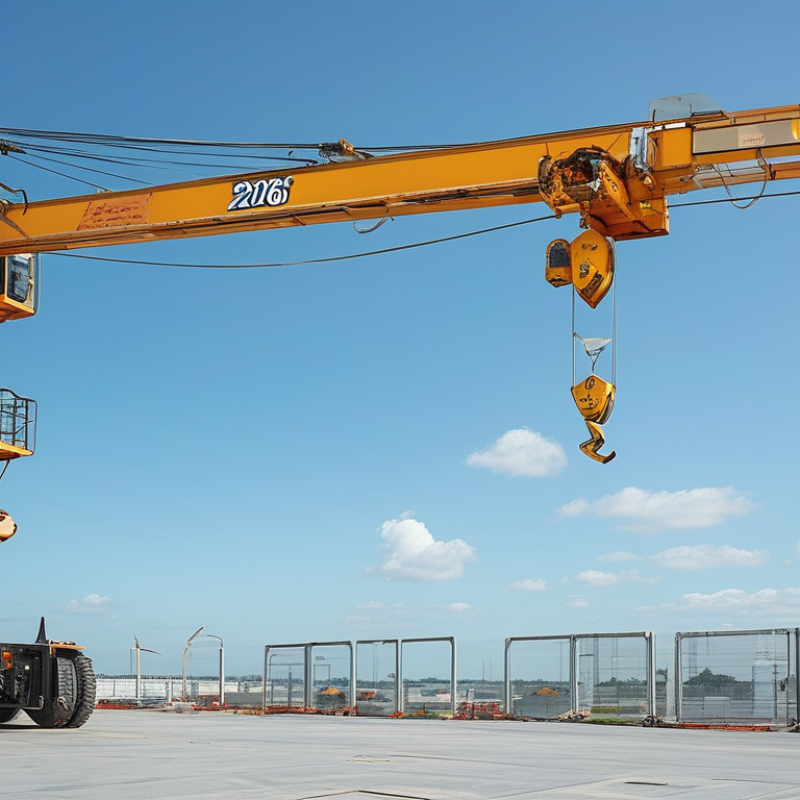
Wall-mounted jib cranes are essential for maximizing workspace and improving efficiency. They are designed to lift and maneuver loads in tight spaces. A well-placed jib crane can boost productivity by up to 30%, as reported by industry experts. Understanding their basics is vital for safe and effective installation.
These cranes use a horizontal arm that pivots around a fixed vertical support. The lifting capacity often ranges from 250 to 2,000 pounds. While this can cover most operational needs, it’s crucial to consider the specific requirements of your workspace. Factors like load sizes, heights, and the layout can influence the choice of a jib crane. Installations usually involve mounting on walls or columns, which can be subject to structural limitations.
Safety is paramount. Regular inspection and maintenance are necessary to prevent failure. Nearly 25% of workplace accidents are linked to improper equipment use. Training personnel on safe operating procedures can reduce risks significantly. The comprehensive knowledge of the crane's specifications directly affects its efficiency. Hence, investing time in initial assessments pays off in long-term productivity.
| Dimension | Specification | Installation Steps | Safety Precautions |
|---|---|---|---|
| Lift Capacity | Up to 1 ton | 1. Choose location 2. Mark mounting points | Use personal protective equipment (PPE) |
| Arm Length | 5 to 10 feet | 3. Install brackets 4. Mount jib arm | Check load limits before use |
| Rotation Angle | 180 degrees | 5. Secure with bolts 6. Test operation | Ensure area is clear during operation |
| Material | Steel or Aluminum | 7. Perform regular maintenance checks | Follow manufacturer's guidelines |
: They maximize workspace and improve efficiency by lifting and maneuvering loads in tight areas.
Their lifting capacity ranges from 250 to 2,000 pounds, depending on specific needs.
Consider load sizes, lifting heights, and workspace layout before selecting a crane.
Improper use leads to accidents; training can reduce risks and improve safety.
Ensure the wall is sturdy, free of cracks, and can support the crane's weight.
Essential tools include a drill, wrench, level, and safety gear for secure installation.
Regular inspections, lubrication, and cleaning keep the crane functional and safe.
Documentation provides a reliable history of the crane's performance and safety checks.
Reflect on past installations to identify areas for enhancement and increase expertise.
Investigate these noises immediately as they may indicate potential equipment problems.
Installing a wall-mounted jib crane can significantly enhance your workspace by improving material handling efficiency. This guide on "How to install a wall-mounted jib crane" begins with an overview of the crane's fundamentals, emphasizing the importance of understanding its mechanisms and design. Next, selecting the right location for installation is crucial, as it impacts the crane's functionality and safety.
Essential tools and materials for the installation process are outlined to ensure you are well-prepared. The step-by-step installation process details each phase, from mounting the crane to securing it appropriately, ensuring both structural integrity and ease of operation. Finally, the guide highlights safety considerations and maintenance tips to prolong the crane's lifespan and ensure safe use, making it a comprehensive resource for anyone looking to enhance their workspace with this valuable equipment.

 Pak Lift