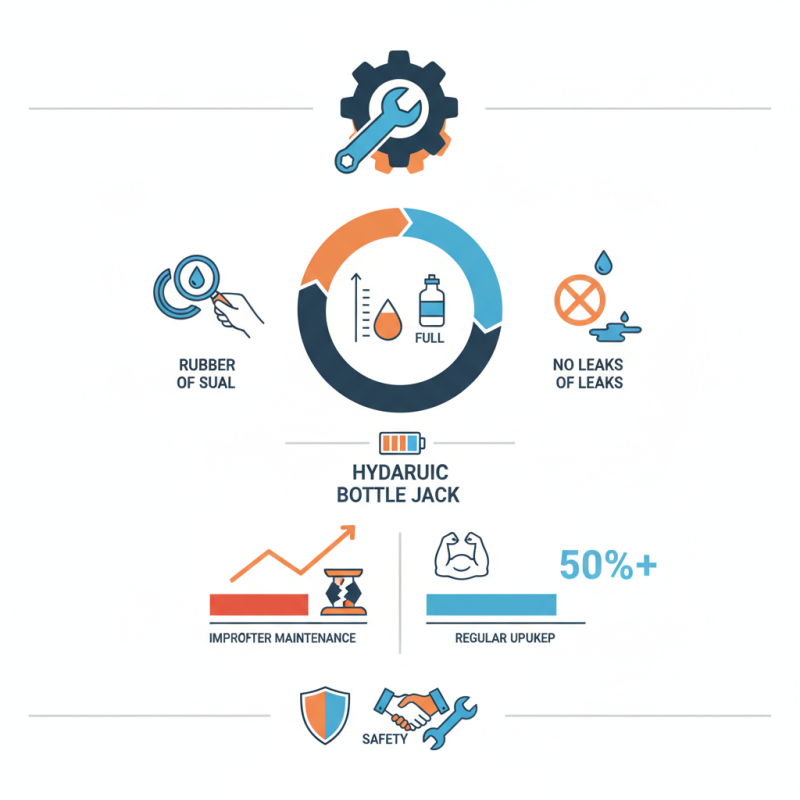
Maintaining a hydraulic bottle jack is crucial for its longevity and efficiency. According to a report by the American Machinery Association, improper maintenance can reduce the lifespan of hydraulic equipment by up to 50%. This statistic emphasizes the importance of regular upkeep. "How to maintain a hydraulic bottle jack for longevity" is often overlooked, yet it plays a vital role in ensuring safety and performance.
Expert Anna Roberts, a renowned hydraulic mechanic, emphasizes, “Regular checks and proper care are the keys to a reliable hydraulic jack.” Her insight highlights the need for users to adopt a proactive approach in maintenance routines. Simple actions, such as inspecting seals, checking fluid levels, and ensuring no leaks, can significantly extend the jack's service life.
Neglecting these practices can lead to malfunctions or even accidents. A jack that is not regularly maintained might fail under pressure, causing serious injury. Those who own a hydraulic bottle jack must prioritize regular inspections and care. The steps might seem minor, but they ensure longevity and reliability in critical situations.
Hydraulic bottle jacks are essential tools for lifting heavy loads safely. Proper maintenance is crucial for their longevity and effectiveness. Regular inspection can reveal issues early. According to industry reports, up to 30% of hydraulic failures stem from poor maintenance practices. Checking for leaks, rust, and fluid levels should be routine tasks. Always refer to your user manual for specific guidelines tailored to your jack type.
Fluid quality is another vital aspect. Contaminated hydraulic fluid can greatly reduce performance and lead to damage. Research shows that fluid degradation can occur within six months without proper care. Changing the hydraulic fluid at recommended intervals can extend the life of the jack significantly. Additionally, the seals should be checked for wear. Just a small crack can compromise the entire system's integrity, making it important to address any signs of wear immediately.
Storage conditions also play a role. Extreme temperatures can affect the hydraulic fluid's viscosity. Keeping the jack in a controlled environment can prevent premature failure. Don’t overlook the power of regular cleaning. Dirt and debris can get into the hydraulic system, causing long-term damage. Employing these maintenance practices can ensure the reliability and longevity of your hydraulic bottle jack, but remember that oversight can lead to avoidable issues.
Understanding the key components of a hydraulic bottle jack is crucial for effective maintenance. Each component plays a vital role in the jack's performance. The hydraulic cylinder, for example, uses pressurized fluid to lift heavy loads. A study by the International Association of Equipment Managers found that proper fluid maintenance can improve the lifespan of hydraulic systems by up to 40%. Regularly checking the hydraulic fluid levels ensures consistent performance.
Another essential component is the safety valve. This valve prevents overloading and potential failures. Industry reports indicate that nearly 30% of hydraulic failures are linked to faulty safety valves. Inspecting this part regularly can significantly mitigate risks and enhance safety during operations. It's also important to note that seals and gaskets wear over time, affecting performance and safety. Replacing these parts periodically can prevent unexpected failures, fostering a more reliable work environment.
Hydraulic bottle jacks require reflection on how maintenance practices can impact efficiency. Some users focus solely on lifting capacity and neglect routine checks. This oversight can lead to diminished performance and safety hazards. Emphasizing component maintenance is not only about avoiding breakdowns, but also about ensuring that every lift is secure and effective. By being proactive, operators can gain a deeper understanding of their equipment, ultimately leading to improved reliability and longevity.
| Component | Maintenance Tip | Frequency | Indicator of Need |
|---|---|---|---|
| Hydraulic Fluid | Check and replace if dirty or low | Every 6 months | Fluid color changes or leakage |
| Seals | Inspect for wear and replace if damaged | Annually | Visible cracks or leaks |
| Piston | Clean regularly to prevent corrosion | Every 3 months | Rust or sticking during operation |
| Jack Handle | Lubricate the pivot points | Every 6 months | Resistance when operating handle |
| Base and Frame | Inspect for cracks and stability | Before each use | Wobbling or visible damage |
Hydraulic bottle jacks are essential tools for lifting heavy loads. However, they can fail for various reasons. Common causes include fluid leaks, contamination, and improper use. A small leak can quickly escalate, affecting the jack's performance. Check for any signs of fluid on the ground after use. Contamination, often from dirt or debris, can hinder the hydraulic system. Keeping the jack clean is vital for its longevity.
Preventing hydraulic bottle jack failure requires regular maintenance. Regularly inspect the seals and hoses for wear. Replace any damaged components immediately. Proper storage is equally important. Store jacks in a dry place to prevent rusting and corrosion. Using the jack correctly also reduces the risk of failure. Avoid overloading the jack beyond its capacity. Following these precautions can significantly extend the jack's lifespan.
Awareness of these common issues is key. Sometimes, jacks are used without understanding their limits. This can lead to accidents or tool damage. Each time you use the jack, consider potential issues. Regular maintenance checks are not just recommended; they’re necessary for safety and effectiveness. Implementing these practices thoughtfully can improve the reliability of your hydraulic bottle jack.
When it comes to maintaining hydraulic bottle jacks, optimal storage conditions play a crucial role in ensuring long-lasting performance. Humidity and temperature significantly affect the integrity of hydraulic fluids. A study from the Hydraulic Institute indicates that excessive moisture can lead to rust inside the jack, compromising its functionality. Storing your jack in a cool, dry area can help extend its life significantly.
Additionally, the positioning of the jack is essential. Keeping it upright helps prevent fluid leaks and contamination. Many users overlook the impact of dust and debris accumulation, which can affect performance. According to the American Society of Mechanical Engineers, proper cleaning practices can enhance the longevity of hydraulic equipment by 15-20%. Regular inspection and cleaning during storage is vital.
It's also important to check seals and connections before storing the jack. Worn seals increase the risk of hydraulic leaks. A report from the Journal of Hydraulic Engineering highlights that many failures occur due to overlooked seal integrity. Addressing these small details can make a significant difference in durability over time. Being aware of these aspects encourages better maintenance practices among users.
Regular maintenance can significantly extend the life of hydraulic bottle jacks. Routine inspections play a crucial role in keeping them in peak condition. According to industry reports, around 30% of hydraulic failures stem from inadequate maintenance practices. Performing regular checks is essential to mitigate this risk.
Inspect the hydraulic fluid regularly. Ensure that it is clean and at the appropriate level. Contaminated fluid can lead to system failures. Additionally, check for any leaks around seals and connections. Even a minor leak can compromise the jack's performance. Pay attention to the jack’s lifting mechanism. Any uneven or jerky motion is a red flag that deserves immediate attention.
It's also vital to examine the overall structure of the jack. Look for signs of rust or damage that could hinder operation. The American Society of Mechanical Engineers (ASME) emphasizes that visual inspections can save time and money. Keeping a checklist helps maintain consistency. Missing out on simple checks can lead to substantial repairs later. Take the time to document each inspection for reliable comparison over time.
: A hydraulic bottle jack uses pressurized fluid to lift heavy loads efficiently.
Proper fluid maintenance can improve the lifespan by up to 40%. Regular checks ensure better performance.
The safety valve prevents overloading, reducing the risk of failure during operations.
Worn seals can lead to performance drops and unexpected failures, compromising safety.
Dirt and debris can contaminate the hydraulic system, hindering performance and longevity.
Store it in a dry place to prevent rusting and corrosion, thus prolonging its life.
Overloading can lead to accidents and tool damage, highlighting the need to know limits.
It can lead to safety hazards and tool failures, emphasizing the need for proper knowledge.
Regular inspections are crucial to ensure safety and effectiveness during usage.
Check for leaks immediately and address any issues to maintain optimal performance.
To ensure the longevity of your hydraulic bottle jack, it's essential to understand key maintenance practices and components. Regularly inspecting the jack for signs of wear and fluid leaks is crucial in identifying potential issues before they lead to failure. Knowing how to maintain a hydraulic bottle jack for longevity includes adhering to best practices such as cleaning the jack after use, checking the hydraulic fluid level, and ensuring all seals and fittings are in good condition.
Optimal storage conditions also play a significant role in enhancing the durability of hydraulic bottle jacks. Storing them in a dry, temperature-controlled environment protects against rust and degradation. By implementing these maintenance tips, including routine inspections and preventive strategies against common failure causes, you can significantly extend the lifespan of your hydraulic bottle jack, ensuring it remains a reliable tool for years to come.

Pak Lift