2026 Best Tips to Prevent Load Swinging in Crane Operations?

Time:2026-06-04 Author:Madeline
0%

In crane operations, safety and efficiency are paramount. One critical challenge operators face is load swinging. Understanding how to prevent load swinging during crane operation can significantly enhance not only productivity but also workplace safety. Load swinging can lead to accidents, injuries, and damage to equipment, emphasizing the need for effective strategies.

Proper training is essential for crane operators. They must recognize the risks associated with load swinging. Additionally, using the right equipment, such as anti-sway devices, can mitigate these risks. Operators should also maintain clear communication with ground personnel. This helps ensure everyone is aware of the load's movement and potential hazards.

Experiencing swinging loads can occur even with the best precautions. It often happens unexpectedly, leaving operators unprepared. Reflecting on past incidents can guide improvements in practices. Each operation presents unique challenges, and learning from mistakes is vital. Adopting preventive measures is not just about avoiding problems; it's about creating a safer workplace for everyone involved.
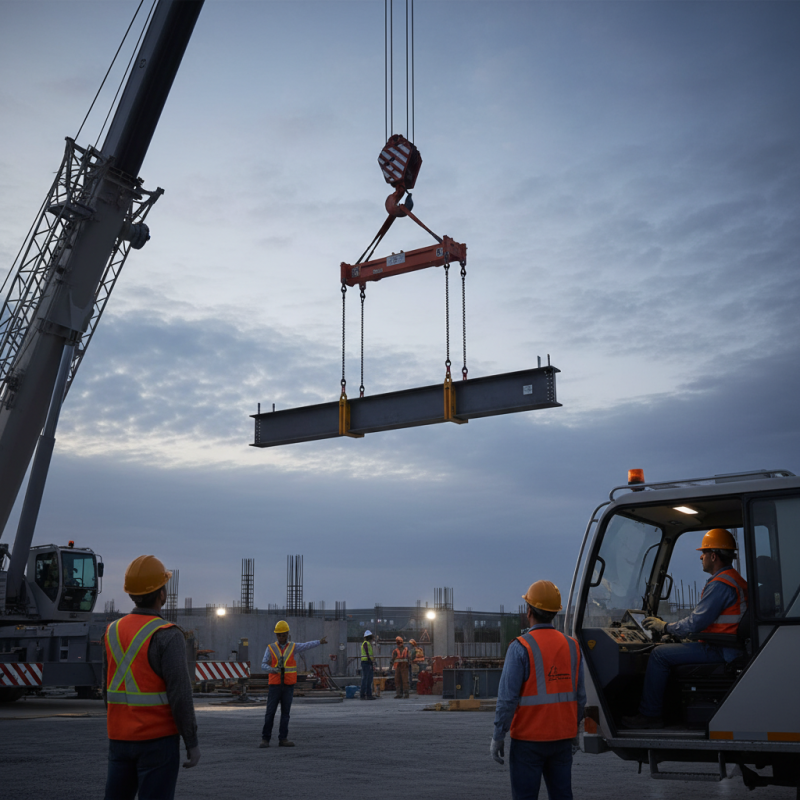
2026 Best Tips to Prevent Load Swinging in Crane Operations?

Understanding Load Swinging in Crane Operations

Load swinging in crane operations poses a significant risk. Understanding its causes is crucial for safety. Load swinging occurs due to sudden movements, wind, or miscalculations during lifting. Operators must be aware of their surroundings. A simple gust of wind can turn a stable load into a swinging hazard. Regular training on load dynamics helps workers recognize these risks.

Effective communication is vital. Operators should clearly signal movements and maintain eye contact with the ground crew. Miscommunication can lead to errors, increasing the chance of sway. Additionally, using taglines can provide better control. Taglines allow workers to guide the load’s path, reducing the risk of swinging.

Even experienced operators make mistakes. They might underestimate load weight or wind effects. Reflecting on past incidents helps improve future practices. Analyzing previous operations can reveal patterns. This promotes a culture of safety and awareness.

2026 Best Tips to Prevent Load Swinging in Crane Operations

Tip Number Prevention Tip Description Effectiveness
1 Use Load Indicators Install load indicators to monitor weight and prevent overload. High
2 Train Operators Regular training sessions for crane operators on load management. Very High
3 Smooth Movement Ensure gradual acceleration and deceleration during lifting and lowering. High
4 Wind Conditions Monitor weather conditions and avoid operations in high winds. Very High
5 Use Proper Rigging Techniques Apply appropriate rigging methods to secure loads effectively. High
6 Regular Equipment Inspections Conduct routine checks on crane components to ensure safety and functionality. Very High

Key Factors Contributing to Load Swinging

Load swinging in crane operations is a significant concern. Key factors contribute to this phenomenon. One major factor is sudden movements. Quick changes in direction or speed can trigger load swinging. Moreover, the crane’s operating environment plays a crucial role. Wind gusts or nearby obstructions can exacerbate the situation. According to industry reports, over 30% of crane accidents stem from improper handling of load dynamics.

Operators must focus on preventing load swinging. One effective tip is to use smooth and controlled movements. Jerky motions can lead to instability. Training employees on load balancing techniques is essential. A well-trained team can respond better to unexpected challenges. Regular equipment inspections also help maintain stability. Any mechanical issues must be addressed promptly.

Awareness of load dynamics is crucial. Ensure that operators understand the physics involved. Centering the load over the hook reduces swinging risks. Additionally, using tag lines can enhance control. Operators should practice with real-world scenarios. This allows them to develop a better sense of handling. Continuous training and practical applications breed expertise in crane operation.

Effective Techniques to Minimize Load Swinging

Load swinging can pose significant risks in crane operations, impacting safety and efficiency. To minimize this risk, operators should focus on effective techniques that enhance stability. Research indicates that nearly 30% of crane accidents are related to load swinging due to improper rigging. Proper rigging is crucial. Always use the correct slings and attachments for the load type and weight. Inadequate rigging can lead to unpredictable swings, increasing the risk of accidents.

Wind conditions also play a role. A study by the Occupational Safety and Health Administration (OSHA) shows that strong winds can exacerbate load swinging. Operators must assess wind speed before lifting. If wind speeds exceed recommended limits, it is safer to postpone the lift. Additionally, maintaining a low center of gravity is essential. Placing heavier components at the bottom can minimize swinging and improve load stability during transit.

Lastly, operator training is vital. Statistics reveal that well-trained operators are less likely to experience load swinging incidents. Training modules should include simulations of load movements and emergency responses. Reflecting on past incidents can guide improvements in techniques and safety measures. Regular refresher courses can ensure that skills remain sharp and adaptable to new challenges in crane operations.

2026 Best Tips to Prevent Load Swinging in Crane Operations

Proper Equipment Setup and Operator Training

In crane operations, proper operator training is essential. Operators must understand load dynamics and the principles of physics related to lifting. This knowledge helps prevent load swinging, a common risk in crane operations. Regular training sessions create a culture of safety.

Tips to prevent load swinging include using the right equipment setup. Ensure the crane is level and positioned correctly. Misalignment can lead to instability. Also, communicate effectively with ground crew during lifts. Clear signals prevent misunderstandings. Operators should always be aware of their surroundings.

Another important aspect is the evaluation of previous lifting operations. Reviewing past mistakes can provide valuable lessons. Are there patterns of swinging? Reflect on those. Continuous improvement is key. Each lift is unique, and adapting techniques based on experience is crucial. Staying alert and focused saves lives and resources.

Regular Maintenance and Safety Checks for Cranes

Regular maintenance is crucial for preventing load swinging in crane operations. According to the Occupational Safety and Health Administration (OSHA), improper maintenance is a leading cause of accidents. Frequent safety checks of cranes can reduce risks significantly. In fact, data has shown that routine inspections can lower incident rates by up to 30%.

Crane operators should conduct daily pre-operation checks. Inspect cables, hooks, and brakes. A worn-out cable can lead to dangerous load swinging. Operators must also ensure that the Crane Safety Management System is functioning properly. This technology monitors load levels, helping prevent swings caused by overloaded conditions.

Training employees on best practices and safety procedures is vital. Establish a maintenance schedule that includes regular checks and repairs. Engage qualified personnel for these tasks. Implementing such measures not only enhances safety but also extends the equipment's lifespan. In a recent report, 25% of maintenance-related incidents could have been avoided with proper training. Always remember, consistent care and proactive measures are the backbone of operational safety.

FAQS

: What causes load swinging in crane operations?

: Load swinging occurs due to sudden movements, wind, or miscalculations during lifting.

How does wind affect crane loads?

A simple gust of wind can turn a stable load into a swinging hazard.

Why is communication important during crane operations?

Effective communication helps avoid miscommunication and reduces the chance of sway.

What are taglines, and how do they help?

Taglines guide the load’s path, allowing better control and reducing swinging risks.

Can experienced operators make mistakes?

Yes, even experienced operators can underestimate load weight or wind effects.

How can past incidents improve safety practices?

Reflecting on past incidents helps identify patterns and promotes a culture of safety.

What are smooth movements, and why are they important?

Smooth movements can prevent instability, reducing the risk of load swinging.

How do mechanical issues affect load stability?

Mechanical issues must be addressed promptly to maintain stability during operations.

Why is training on load dynamics essential?

Understanding the physics involved allows operators to respond better to unexpected challenges.

What practical training can enhance operator expertise?

Practicing with real-world scenarios allows operators to develop better handling skills.

Conclusion

In crane operations, understanding load swinging is essential for ensuring safety and efficiency. Load swinging can occur due to various factors, such as wind, operator inexperience, and improper equipment setup. Key strategies to mitigate this issue include effective techniques such as moving loads slowly and steadily, using tag lines, and employing proper rigging methods.

Furthermore, how to prevent load swinging during crane operation also involves ensuring that operators receive comprehensive training and that equipment is set up correctly according to manufacturer guidelines. Regular maintenance and safety checks are crucial as well, as they help identify potential issues before they result in dangerous swinging loads. By prioritizing these elements, crane operations can significantly minimize the risk of load swinging, promoting a safer working environment.

Madeline

Madeline

Madeline is a dedicated marketing professional with a wealth of expertise in our company's core offerings. With a keen understanding of the industry, she brings a unique perspective to her role, consistently delivering high-quality content that highlights the superior aspects of our products. As......