Understanding how to calculate the safe working load for rigging is crucial in various industries, especially construction and theater. A recent report by the Occupational Safety and Health Administration (OSHA) highlights that improper rigging can lead to severe accidents, resulting in injuries or fatalities. According to industry data, around 30% of rigging accidents stem from overloading equipment.
Calculating safe working loads involves more than just basic math. It requires knowledge of materials, environmental conditions, and the type of rigging used. For instance, different types of slings, shackles, and connectors have specific load ratings. Industry standards, like those set by the American National Standards Institute (ANSI), provide guidelines that enhance safety. However, not all professionals accurately apply these standards.
Relying solely on manufacturer specifications isn't enough. Users must consider factors like wear and tear over time, load dynamics, and shock loading. The process of calculating safe working loads may appear simple, but it demands careful thought and experience. Misjudgments can lead to catastrophic failures, reminding us of the importance of rigorous assessment in rigging safety.
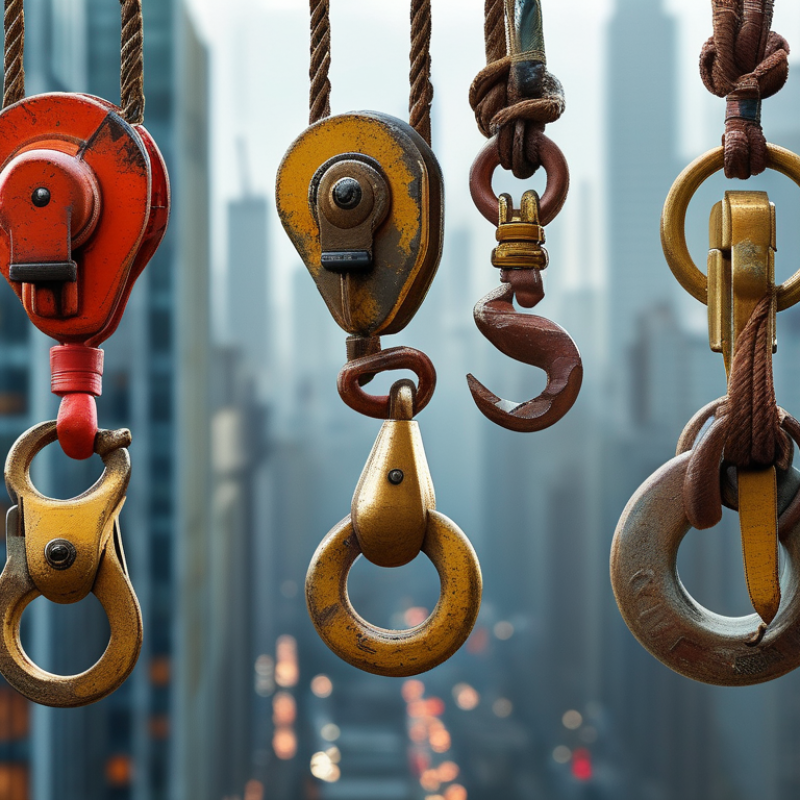
The concept of Safe Working Load (SWL) is vital in rigging to ensure safety. SWL represents the maximum load that rigging equipment can safely lift without risk of failure. Understanding SWL helps prevent accidents and equipment damage, which are serious concerns in the industry.
Research indicates that miscalculating SWL can result in catastrophic incidents. According to a report by the Health and Safety Executive, improper lifting accounts for over 25% of workplace injuries. Evaluating the SWL requires considering factors such as the angle of loading, the type of rigging gear, and environmental conditions. Each of these factors directly influences the performance and safety of the rigging operation.
Tips: Regularly inspect rigging equipment. Look for wear, corrosion, or deformation. Always follow manufacturer guidelines for load limits.
Relying solely on SWL calculations can be misleading. It’s essential to account for dynamic loads created by movement or vibrations during lifting. This often adds complexity to the calculations, demanding a thorough understanding of the equipment's specifications. Training personnel on SWL concepts can further enhance safety awareness.
Tips: Invest in proper training programs. Use simulations for practical understanding. Encourage staff to communicate any uncertainties concerning loads.
When calculating the Safe Working Load (SWL) for rigging equipment, several critical factors must be considered. The type of material used in the rigging gear plays a significant role. For example, steel has a higher load-bearing capacity compared to synthetic materials. The Wire Rope Users Manual states that wire ropes can have a SWL of up to 50% of their breaking strength.
Another vital factor is the angle of loading. When slings are used at wide angles, the effective load they carry increases significantly. Research by the American National Standards Institute (ANSI) indicates that slings at a 60-degree angle can experience an increase of up to 1.15 times the load. Additionally, the condition and age of the rigging equipment can affect its performance. Equipment that shows signs of wear, such as fraying or corrosion, may have a lower safe limit than its initial rating.
Environmental conditions should also not be overlooked. Exposure to harsh weather or chemicals can weaken materials over time. Regular maintenance and inspections are critical for identifying potential hazards. Recognizing these factors ensures safer operations and helps prevent accidents in lifting activities. Making sure all considerations are taken into account is essential for effective rigging.
This chart displays the Safe Working Load (SWL) of different types of rigging equipment based on typical industry standards. The data includes various materials used commonly in rigging and their respective SWL measured in tons.
Calculating the Safe Working Load (SWL) for rigging equipment is essential for safety. One method involves understanding the working conditions. Factors such as environment, temperature, and type of load affect the SWL significantly. For example, lifting in high temperatures may weaken certain materials like steel or synthetic fibers. It is crucial to assess these variables.
Another methodology focuses on the equipment's construction and specifications. Each rigging component has a specific rating defined by the manufacturer. Understanding these ratings is vital. Using a rigging calculator or guidelines can help determine the SWL based on the rated capacity. Be cautious with how you interpret these ratings. It’s easy to overlook safety margins.
Consulting with a qualified rigging professional adds another layer of assurance. Their experience can identify potential hazards you might miss. However, relying solely on their advice can lead to complacency. Regular training and personal knowledge remain essential. Always double-check calculations and assumptions when planning lifts. The consequences of miscalculating can be severe.
Rigging equipment plays a crucial role in safely lifting and moving heavy loads. Understanding the Safe Working Load (SWL) for each type of rigging gear is essential for ensuring safety on site. Common rigging equipment includes shackles, slings, hooks, and pulleys, each with its own SWL based on size and material. For instance, a standard steel shackle may have an SWL between 1 to 50 tons, depending on its grade and dimensions.
When choosing rigging equipment, it’s vital to consider the application. A sling made from synthetic material offers different load limits compared to a steel sling. Inspection and maintenance are key factors; rigging gear should be regularly checked for wear and tear. Any signs of damage can significantly reduce the safe working load, so always conduct thorough inspections before use.
Different types of rigging gear have specific ratings. A hook rated for 10 tons should never be used to lift 12 tons. Knowing these limits is not enough; continual education and training are vital. Mistakes in this field often stem from misunderstandings about equipment capabilities. Addressing this issue could prevent accidents and injuries. Awareness of the SWL can save lives.
Rigging safety is crucial in any lifting operation. Understanding the working load limit (WLL) of rigging equipment is vital. It’s not just about knowing the numbers. You must consider factors like environmental conditions and the type of load being lifted. Training personnel on these aspects can significantly reduce risks. Regular inspections and maintenance of the equipment can also prevent accidents.
Compliance with safety regulations is essential. Organizations should establish guidelines for rigging practices. Each employee must know their responsibilities. Encourage a culture of reporting unsafe conditions without fear. This can lead to better awareness and prompt corrective actions. Using color-coded tags for equipment can enhance visibility and ensure everyone is informed of the equipment status.
Reflection on past incidents is necessary. Analyze what went wrong in previous operations. Were the right procedures followed? Did everyone understand the WLL? These insights can drive improvements. Hence, it's a continuous process. Always question if you are doing enough to maintain safety. Rigging is complex, and every detail matters.
: SWL is the maximum load that rigging equipment can safely lift without failing. Understanding it is crucial for safety.
Miscalculating SWL can cause severe accidents. Studies show improper lifting contributes to over 25% of workplace injuries.
Factors include loading angle, rigging gear type, and environmental conditions. Each can impact safety and performance significantly.
Regular inspections are vital. Look for signs of wear, corrosion, or deformation in all rigging components.
Yes, conditions like high temperatures can weaken materials, impacting their load capacity. Always assess the environment before lifting.
Absolutely. Training enhances safety awareness and can prevent accidents. It encourages communication about uncertainties regarding loads.
They provide valuable insights and can identify hazards. However, don’t rely entirely on them; personal knowledge is key.
Establish guidelines and ensure all employees understand their roles. Promote a culture where unsafe conditions can be reported freely.
Analyzing past failures helps identify improvements. It ensures better practices and safer operations in the future.
Using color-coded tags for equipment helps everyone stay informed about its safety status and current use.
Calculating the safe working load (SWL) for rigging is crucial for ensuring safety in lifting operations. Understanding the concept of SWL involves recognizing the maximum load a rigging equipment can handle under specific conditions without risking failure. Factors that influence SWL include the material properties of the rigging gear, environmental conditions, and the type of load being lifted. To effectively calculate the safe working load for rigging, one must employ standardized methodologies that consider these variables.
Common rigging equipment such as slings, hooks, and chains each have designated SWLs that should not be exceeded. It is essential to follow best practices for rigging safety, which include regular inspections, proper training, and adherence to industry standards. By prioritizing these measures, operators can ensure compliance and significantly reduce the risk of accidents during lifting operations.

Pak Lift