Overhead cranes play a critical role in various industries, lifting heavy loads with precision. Ensuring their safe operation is vital to prevent accidents and injuries. This brings us to a fundamental question: what are the safety standards for overhead cranes? Industry expert John Smith, a leading safety consultant, emphasizes, “Understanding safety standards is crucial for effective risk management.”
In China, the safety standards for overhead cranes are defined by strict regulations and guidelines. They involve inspections, maintenance protocols, and operator training. These measures are designed to enhance safety and reduce hazards in workplaces. However, many companies still struggle with compliance.
Sometimes, organizations overlook specific protocols or neglect continuous training. This negligence could lead to severe consequences in safety. Exploring current standards helps to identify the gaps. Understanding what safety measures must be taken can foster a culture of safety and accountability. Reliable information is key.
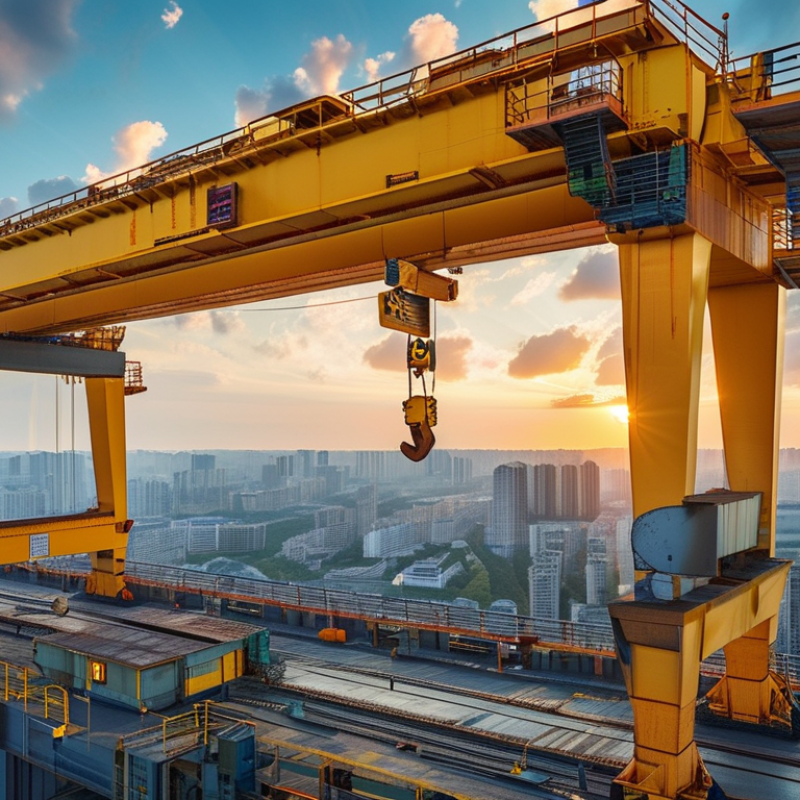
In the realm of overhead crane operations, understanding China’s safety standards is crucial for ensuring workplace safety. The Chinese National Standard, GB/T 3811-2008, outlines design principles and safety measures for crane systems. It emphasizes structural integrity and operational reliability, requiring rigorous testing across various load capacities.
The regulations mandate regular inspections and maintenance protocols. According to the China Machinery Industry Federation, over 60% of industrial accidents stem from equipment failure related to inadequate maintenance. This statistic underscores the importance of adhering to safety measures. Operators must be trained and certified, with ongoing education on the latest safety practices.
Data from industry reports reveal that approximately 40% of firms do not comply fully with these regulations. This gap highlights a significant area for improvement. Companies need to prioritize safety audits and employee training to reduce risks. Investing in compliance not only enhances safety but also improves operational efficiency.
In Chinese industries, overhead crane safety is paramount. Workers rely on these cranes to lift heavy materials daily. Yet, safety practices often face challenges. Miscommunication during operations can lead to accidents. Additionally, inadequate training for operators is a significant concern. Proper training should include hands-on experience with equipment. This enhances both confidence and competence on the job site.
Key components of overhead crane safety involve regular inspections and maintenance. Cranes should be checked frequently to catch potential issues early. For example, worn-out cables and faulty controls can compromise safety. Industry standards recommend documenting these inspections meticulously. This practice not only meets legal obligations but also promotes operational transparency.
Moreover, empowering workers to report unsafe conditions is crucial. Encouraging open communication can make a significant difference. However, there might be a reluctance to speak up due to fear of repercussions. It's essential for management to foster an environment where safety concerns are taken seriously. By prioritizing these safety components, Chinese industries can better protect their workers.
| Safety Component | Description | Compliance Standards | Inspection Frequency | Best Practices |
|---|---|---|---|---|
| Load Testing | Ensures crane can handle maximum load safely. | GB 3811-2008 | Yearly | Perform tests with certified weights. |
| Operator Training | Training to ensure safe and efficient crane operation. | GB/T 28154-2011 | Ongoing | Conduct regular refresher courses. |
| Maintenance Records | Documenting all repairs and maintenance performed. | GB/T 28259-2012 | Monthly | Keep digital records for easy access. |
| Emergency Shutdown | System to immediately cease operation in an emergency. | GB 6083-2008 | Quarterly | Test systems regularly and train staff on procedures. |
| Safety Inspections | Routine checks to identify potential hazards. | GB/T 10055-2014 | Weekly | Use a checklist during each inspection. |
Ensuring safety in overhead crane operations is crucial. Proper maintenance and operation practices can significantly reduce risks. Regular inspections, including checking brakes and hoists, must be routine. Operators should be trained thoroughly. They need to recognize safety signals and understand load limits. A well-informed crew is vital for safe operations.
Daily checks are essential. These should include visual inspections for wear and damage. If an issue is found, it must be reported immediately. Documentation of these inspections ensures accountability. It’s not just about the cranes; the workspace must also be safe. Clear pathways and proper signage are fundamental to avoiding accidents.
Incident analysis is often overlooked. Reviewing near misses can prevent future accidents. Operators should discuss these events regularly. Encouraging an open environment fosters safety awareness. Continuous improvement in procedures and practices reflects a commitment to safety. Investing time in training and reflection pays off in the long run.
Overhead cranes are essential in many industrial settings in China. However, they come with significant safety hazards. Common issues include operator error, mechanical failures, and inadequate training. According to a study by the China Occupational Safety and Health Association, over 60% of crane accidents stem from these human factors.
Operators must be aware of their surroundings. Poor visibility can lead to collisions. Additionally, the lifting capacity must be known and adhered to. Overloading is a frequent cause of equipment failure. Regular inspections are crucial. According to the National Safety Council, proper maintenance can reduce accidents by 30%.
Consider implementing training programs focused on hazard recognition. Regular drills can enhance awareness and preparedness. Encourage a culture of safety where employees feel comfortable reporting risks. This proactive approach can significantly mitigate potential hazards associated with overhead cranes.
Recent trends in overhead crane safety standards reflect a significant shift towards enhanced technology and operator training. In 2022, the Crane Manufacturers Association of America reported that accidents related to overhead cranes dropped by 15% due to improved safety protocols. These protocols now emphasize the integration of smart technologies, such as real-time monitoring systems, to predict potential failures. These systems can send alerts to operators before a malfunction occurs, significantly reducing risks.
Innovations in training have also played a crucial role. Virtual reality training modules have gained traction, allowing operators to simulate various scenarios without physical risks. A survey by the National Safety Council indicated that companies using VR training saw a 30% decrease in safety incidents. However, it’s essential to acknowledge that while technology can assist, human error remains a significant factor. Operators must consistently engage with safety practices. As the industry progresses, the challenge remains to ensure that technological advancements align with on-ground realities and operator accountability.
: Common hazards include operator error, mechanical failures, and lack of training. Overloading can also pose serious risks.
Poor visibility can lead to collisions. Operators should always be aware of their surroundings to minimize this risk.
Regular inspections and maintenance are essential. Proper upkeep can lower accident rates by 30%.
Training helps operators recognize hazards. Programs focused on safety can enhance awareness and reduce risks.
Improved safety protocols and technology have reduced crane accidents by 15% in recent years.
Smart technologies monitor performance. They can alert operators to potential failures before they happen.
VR training has shown a 30% decrease in safety incidents. This allows operators to practice without risks.
Yes, human error remains a significant factor. Operators must stay engaged with safety practices consistently.
A good safety culture should empower employees to report risks without fear. This supports proactive hazard management.
Aligning technology with real-world operations is a challenge. There is a constant need for operator accountability.
Overhead crane safety is crucial in Chinese industries, and understanding the regulations surrounding it is essential. The article provides an overview of the safety standards for overhead cranes in China, highlighting the key components that ensure safe operation and maintenance. It discusses industry best practices that focus on the prevention of common safety hazards, which can significantly reduce the risk of accidents.
Furthermore, the article examines recent trends and innovations in overhead crane safety standards, reflecting the ongoing commitment to enhancing workplace safety. For those asking, "What are the safety standards for overhead cranes?" this overview will provide valuable insights into the regulatory framework and the evolving landscape of crane safety in the industrial sector.

Pak Lift