Choosing the right electric hoist for industrial use is crucial. In recent years, the electric hoist market has grown significantly. According to a recent industry report, the global electric hoist market is projected to reach $8 billion by 2025. This growth is driven by increasing automation in industries.
Industrial applications demand high efficiency, reliability, and safety. It's essential to consider load capacity, lifting height, and power source. A wrong choice can lead to inefficiency or safety hazards. Many users underestimate the importance of these factors. The wrong electrical hoist can cause production delays or costly accidents.
When evaluating options, expert feedback is invaluable. Reputable manufacturers can provide detailed specifications and safety certifications. However, each industrial environment is unique. Understanding specific needs is necessary for optimal performance. Careful selection based on accurate data can enhance operational effectiveness. Ultimately, knowing how to choose the right electric hoist for industrial use will enhance productivity and safety.
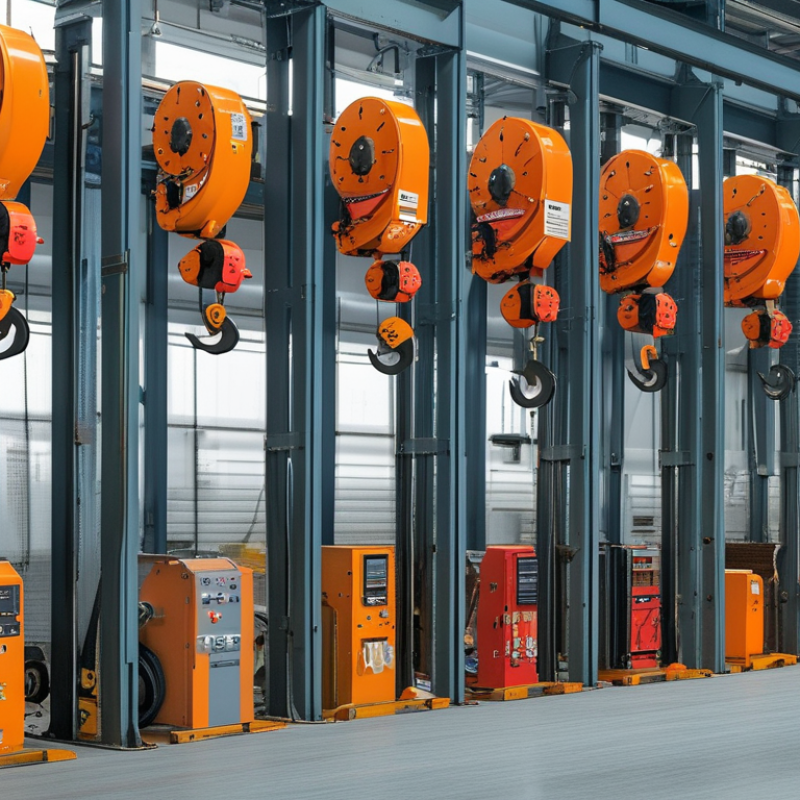
Electric hoists are essential tools in various industrial sectors. They facilitate the lifting and moving of heavy loads with ease. Understanding how these devices operate helps businesses optimize their operations. An electric hoist consists of a motor, pulley, and chain or rope. These components work together to provide reliable lifting power.
In construction, manufacturing, and warehouses, electric hoists play crucial roles. They enable workers to lift materials quickly and efficiently. This not only saves time but also reduces the risk of physical strain or injury. Choosing the right hoist requires considering the load capacity, lifting height, and duty cycle. Each application demands specific features, such as speed and safety mechanisms.
Reflecting on past experiences can improve selection choices. For instance, businesses may realize that some hoists failed under heavy use. Others may find that incorrect lifting speeds caused issues. It’s vital to assess the functionality and efficiency of electric hoists regularly. Ensuring they meet industry standards is key to maintaining productivity and safety.
| Feature | Description | Considerations |
|---|---|---|
| Load Capacity | The maximum weight the hoist can lift. | Choose a capacity that exceeds the maximum weight expected in operations. |
| Lift Height | The vertical distance the hoist can lift loads. | Assess the workspace height and ensure adequate lift height is available. |
| Power Source | The source of power for the hoist: electric, pneumatic, etc. | Consider availability of power supply and cost of operation. |
| Speed | The rate at which the load is lifted or lowered. | Determine if fast lifting is critical for operational efficiency. |
| Controls | The type of control system (manual, remote, etc.). | Choose controls based on user preference and safety requirements. |
| Duty Cycle | The frequency of operation over a specific period. | Select hoists that match the operational frequency to avoid overheating. |
| Safety Features | Includes features like emergency stop, limit switches, etc. | Essential for safe operation; consider regulatory compliance. |
| Portability | Ease of moving the hoist from one location to another. | Necessary for applications requiring transport between sites. |
: Ensure the hoist can lift at least 20% more than your maximum load. This provides a safety margin.
Temperature, humidity, and exposure can affect performance. Choose a hoist designed for your specific conditions.
Evaluate your facility's power availability. AC is common for stationary uses; DC offers more flexibility for mobile applications.
Overloading can lead to equipment failure and safety hazards. Always assess both static and dynamic loads carefully.
Regular upkeep prolongs the hoist's life and prevents unplanned downtime. Many users neglect this, resulting in issues.
Opt for hoists with simple, intuitive controls. Complex systems can lead to mistakes and decreased safety.
Uneven weight can strain the hoist, causing wear or malfunction. Regular inspections help monitor this issue.
An efficient hoist minimizes power use while maximizing lift speed. Consider the load cycles to make better choices.
Look for models with robust cooling systems. Reading user reviews and expert opinions can also guide your decision.
Inadequate load ratings, poor maintenance, and improper power sources can all impede efficiency and safety.
When considering "How to choose the right electric hoist for industrial use," it's essential to understand the various applications of electric hoists in industrial settings. These versatile tools are utilized for lifting and moving heavy loads and require careful selection based on specific operational needs. Key factors to consider include the hoist's load capacity and weight limitations, ensuring it can handle the intended workload without risking safety or efficiency.
Additionally, assessing the power source and efficiency is crucial, as it can affect both operational costs and performance. It's equally important to identify safety features and ensure that the chosen hoist complies with relevant standards and regulations to protect workers and equipment. By taking the time to evaluate these aspects, industries can make informed decisions that enhance productivity while maintaining safety on the job site.

 Pak Lift