Choosing the right equipment for material handling is essential for efficiency and productivity. In recent years, the market for pallet jacks has experienced significant growth, driven by the rise of e-commerce and warehouse automation. According to a report by Research and Markets, the global pallet jack market is expected to reach USD 3.75 billion by 2026, highlighting the increasing reliance on these tools in various industries.
When considering how to choose between a manual and electric pallet jack, it's crucial to weigh your specific needs. Manual pallet jacks are often lighter and cost-effective but may require more physical effort. On the other hand, electric pallet jacks offer ease of use and efficiency, especially for larger loads. A survey conducted by Peerless Research Group indicates that 68% of warehouse managers prefer electric models for their convenience and speed.
While both options have merits, reflecting on your operational requirements is vital. Think about the frequency of use, load sizes, and worker ergonomics. Sometimes, a manual pallet jack may suffice, but other scenarios demand the enhanced capabilities of an electric model. Balancing these factors is key to making an informed decision.
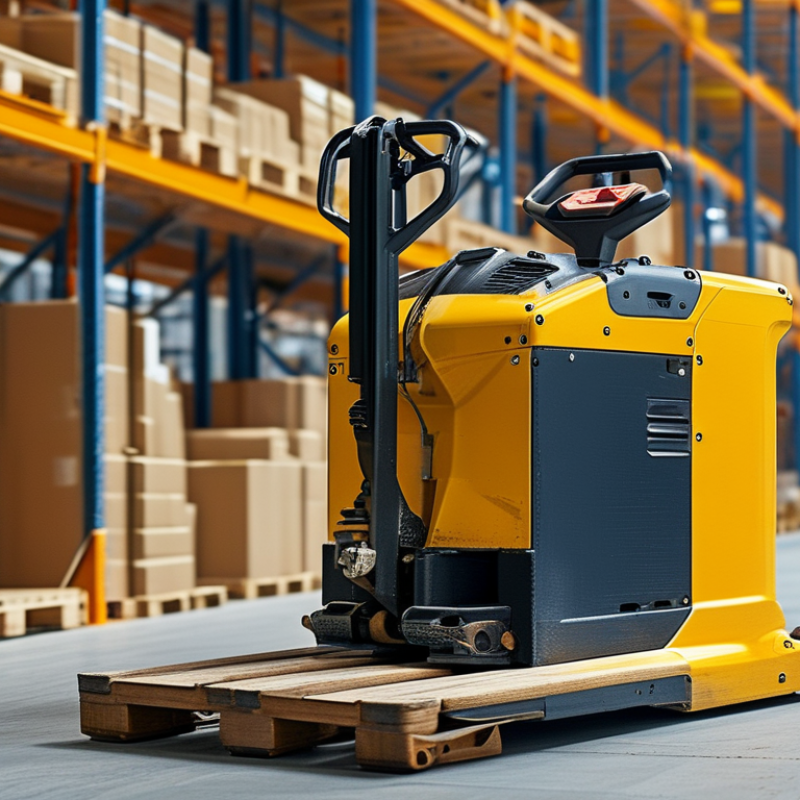
Manual and electric pallet jacks are essential tools in many industries. Understanding their differences helps make informed choices. Manual pallet jacks are operated by human power. They require physical effort to lift and transport pallets. These jacks provide greater control and precision in tight spaces. However, they can lead to fatigue during long shifts.
Electric pallet jacks, on the other hand, are powered by batteries. They reduce physical strain on workers, making them suitable for heavier loads. These jacks often come with features like speed control and powered lifting. However, they may require more maintenance due to electrical components. Choosing between them depends on your specific needs. Consider factors like load size, frequency of use, and workspace.
When evaluating options, reflect on your environment and workforce. Are employees well-trained in manual handling? Do you have the space for electric jacks? A decision made in haste may lead to increased costs or inefficiencies later. Therefore, invest time in understanding both types, and prioritize your operational needs. This consideration can lead to better productivity and worker safety.
This chart compares manual and electric pallet jacks based on various factors. The scores range from 1 to 5, with 5 being the best. Electric pallet jacks tend to perform better in terms of cost, ease of use, maintenance, and load capacity, while manual pallet jacks excel in portability.
When selecting between manual and electric pallet jacks, consider two main factors: load capacity and usage frequency. Load capacity is crucial. Ensure the jack can handle your heaviest items. An inadequate capacity may lead to accidents or equipment damage. This aspect should align with your specific needs, whether for standard pallets or heavier loads.
Usage frequency plays a significant role as well. For occasional use, manual jacks might suffice. They are often lighter and more maneuverable, ideal for smaller tasks. However, if your operation demands frequent heavy lifting, electric jacks will save time and reduce physical strain. They enable quicker movement and lessen the risk of fatigue.
Tip: Evaluate your workspace. A crowded area may benefit from manual jacks for their agility. In contrast, an open space may leverage the efficiency of electric models.
Tip: Conduct a trial with different pallet jacks. Ideally, test their performance with your actual loads. This hands-on experience can clarify which type meets your operational demands most effectively.
Remember, finding the right balance between load capacity and usage frequency is key. Reflect on your specific situations to make an informed decision.
| Pallet Jack Type | Load Capacity (lbs) | Usage Frequency | Ideal For |
|---|---|---|---|
| Manual Pallet Jack | 3,000 lbs | Low Frequency | Occasional use in small warehouses |
| Electric Pallet Jack | 5,500 lbs | High Frequency | Heavy use in large warehouses |
| Manual Pallet Jack | 2,500 lbs | Occasional Use | Small retail spaces |
| Electric Pallet Jack | 7,000 lbs | Very High Frequency | Distribution centers |
When deciding between manual and electric pallet jacks, cost analysis is crucial. Upfront expenses for electric models can be higher, often due to the battery systems and advanced technology. Conversely, manual pallet jacks are typically more affordable but lack the automation that can enhance efficiency.
Long-term expenses also vary significantly. Electric pallet jacks usually incur costs related to battery maintenance and charging. In contrast, manual jacks have minimal upkeep but may require frequent physical effort, leading to potential labor costs. Companies must weigh these points carefully.
Tips: Consider the volume of goods you handle daily. Higher volumes may justify the investment in electric jacks for efficiency gains. Evaluate operational costs, including energy expenses for electric jacks. Training staff can also incur costs, especially for electric models. Investing time into understanding these factors will lead to a more informed decision that aligns with your business needs.
When choosing between manual and electric pallet jacks, operational efficiency is critical. According to a report by the Material Handling Industry of America (MHIA), electric pallet jacks can increase productivity by up to 30% compared to manual options. This boost is largely due to their speed and lower labor requirements. They can move more pallets in less time, reducing overall operational costs.
Consider the fact that a warehouse using electric jacks can handle an average of 40 pallets per hour. In contrast, manual jacks typically manage only 25 pallets per hour. This indicates a significant advantage for electric models in busy environments. However, electric jacks require charging time and maintenance, while manual options are always ready to use. This trade-off can impact efficiency depending on operational needs.
Tip: Assess your typical workload to determine the best fit. If you handle heavy loads consistently, electric may be the way to go. For smaller tasks, manual jacks could suffice. It's important to reflect on your specific requirements and workforce dynamics to make an informed decision.
When considering maintenance for
manual and
electric pallet jacks,
it’s essential to understand their lifespan and repair costs.
Manual pallet jacks
usually have a longer lifespan, often lasting many years with proper care.
Frequent maintenance is minimal and typically includes checking
hydraulics and wheels. However, issues can still arise from wear and tear.
Electric jacks,
while easier to operate, may incur higher repair costs over time.
Their components are complex, so finding
qualified technicians
can be challenging. Batteries need regular maintenance and replacement,
which adds to the overall cost. Keeping a close eye on battery health is
vital to avoid sudden breakdowns.
Tips:
Regularly inspect your pallet jacks for any signs of wear.
Address minor issues before they escalate. Consider training staff
on basic maintenance to extend the life of both types of jacks.
Investing in proper training can yield significant long-term savings.
: Manual pallet jacks are operated by human power. They lift and transport pallets using physical effort.
Electric pallet jacks are powered by batteries. They lift and move pallets, reducing physical strain on workers.
Manual jacks offer greater control in tight spaces. Electric jacks provide speed control and powered lifting for heavier loads.
Evaluate load size, frequency of use, and workspace. Consider employee training in manual handling as well.
Yes, electric pallet jacks typically have higher upfront costs. They also incur maintenance costs over time.
Manual jacks have minimal upkeep. However, they may lead to higher labor costs from physical exertion.
Assess the volume of goods handled daily. Consider efficiency needs versus costs for both types of jacks.
For higher volumes of goods, electric jacks may justify the investment. They enhance efficiency but come with training costs.
Yes, manual jacks can cause fatigue during long shifts. This must be weighed against operational needs.
Don't make hasty decisions. Reflect on long-term costs and workforce capabilities to avoid inefficiencies.
When considering how to choose between a manual and electric pallet jack, it's essential to understand the fundamental differences between the two. Manual pallet jacks are ideal for infrequent use and lighter loads, while electric pallet jacks are more suited for heavier loads and frequent operation. Evaluating key factors such as load capacity and usage frequency helps in making the right choice based on specific operational demands.
Additionally, a cost analysis should be conducted to assess both upfront and long-term expenses associated with each type. Electric pallet jacks typically have higher initial costs but can lead to savings in labor and time. Operational efficiency, in terms of speed and labor requirements, is another critical consideration. Lastly, maintenance plays a vital role; understanding the lifespan and repair costs of both jacks can help in making an informed decision that balances performance with budget constraints.

Pak Lift