Crane wire ropes are vital components in lifting operations. Yet, they often fail. Understanding why they fail is crucial for safety and equipment longevity. According to industry expert John Smith, "The most overlooked factors contribute significantly to crane wire rope failure." His insights emphasize the need for careful inspection and maintenance.
What are the common causes of crane wire rope failure? Corrosion, wear, and improper handling are principal issues. Corrosion can weaken the rope, making it prone to snapping. Wear from friction and heavy loads also diminishes its integrity. Operators sometimes ignore guidelines for handling, leading to premature failure.
Regular training and vigilance are essential. Inadequate knowledge about wire rope care can lead to costly mistakes. It’s not just equipment; it’s lives at stake. Reflecting on these common causes can prevent accidents and improve safety standards. Neglecting this knowledge can have serious consequences. Thus, addressing these issues is imperative for all crane operations.
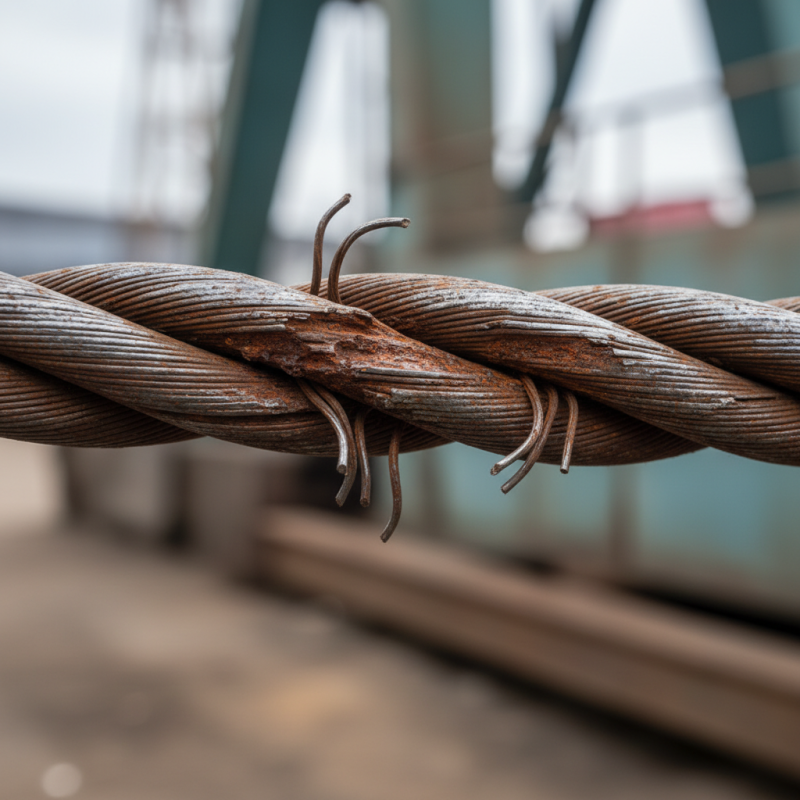
Crane wire ropes play a crucial role in heavy lifting operations. They support massive loads and ensure safety on construction sites. According to industry reports, nearly 30% of crane accidents are linked to wire rope failure. Understanding the factors contributing to this failure is essential for operators and safety managers alike.
Factors that lead to wire rope failure include corrosion, wear, and fatigue. Environmental conditions can exacerbate these issues. Chemical exposure, extreme temperatures, and moisture can weaken ropes significantly. Furthermore, improper handling and maintenance can reduce the lifespan of a wire rope. Inspection records from leading firms indicate that regular checks can identify potential faults early, significantly improving safety.
Tips: Always check for signs of wear or fraying on wire ropes. Schedule regular maintenance and follow safety guidelines strictly. Keeping detailed records of inspections can prevent future failures. Remember, investing time in maintenance is crucial for operational safety and efficiency.
Crane wire ropes are fundamental to lifting operations, yet they are prone to failures. Understanding the common causes of these failures is crucial for maintaining safety and efficiency. One major cause is excessive load.
When cranes lift loads beyond the recommended limits, the stress on the wire ropes increases significantly. This can lead to premature wear and eventual failure.
Corrosion is another significant factor. Wire ropes often operate in harsh environments, exposing them to moisture and chemicals. Without proper maintenance, rust can develop, weakening the rope's integrity. Regular inspections and maintenance routines can help mitigate this risk.
Moreover, improper spooling can lead to kinking or birdcaging of the rope. Such issues can happen during the initial installation or over time if the wire is not stored correctly. Operators need to be vigilant about how the ropes are used and stored. Neglecting these details can result in serious accidents. Ignoring these aspects of wire rope care reveals areas for improvement in operational practices.
Wire ropes are vital components in cranes, yet they face significant wear and tear. Recognizing early signs of failure is crucial. Common indicators include visible fraying, broken wires, and significant surface corrosion. A study by the International Organization of Standardization indicates that 50% of wire rope failures happen due to inadequate inspections and maintenance. These failures often lead to safety risks and operational disruptions.
Understanding the lifespan of wire ropes is essential. Typically, the average life expectancy is around five years, but this can vary based on usage and environmental conditions. Factors like excessive load, rust, and improper handling drastically shorten this time. In a 2021 report, the American Society of Mechanical Engineers highlighted that 70% of equipment accidents involved worn or damaged ropes, emphasizing the need for diligent monitoring.
Regular visual inspections and audits can help identify risks early. Simple checks can detect problems before they escalate. Rust, kinks, or unusual wear patterns often serve as warning signs. However, many operators overlook these checks, leading to unexpected failures. Ignoring these signs can cost time and money, making awareness and proactive maintenance critical for safety and efficiency.
Crane wire ropes are essential for lifting heavy loads. However, they can fail due to various factors. Understanding these can help reduce risks. Proper maintenance is key.
Regular inspections are critical. Look for frayed wires or rust. Any signs of wear should not be ignored. Tips for inspection include: set a schedule, use a magnifying glass, and document your findings. A random check is not enough. Routine monitoring greatly increases safety and reliability.
Proper lubrication can enhance the life of wire ropes. Choose the correct lubricant, and apply it regularly. Avoid over-lubrication which can attract dirt. A clean, well-lubricated wire rope resists wear and tear. Another useful tip is to store them correctly. Ensure ropes are dry and away from harsh environments. This simple action can prevent corrosion.
| Failure Cause | Description | Preventative Measure | Maintenance Frequency |
|---|---|---|---|
| Overloading | Exceeding the rated load capacity of the wire rope leads to excessive wear. | Adhere to load ratings and conduct regular load tests. | Before each use |
| Corrosion | Moisture and chemicals can weaken the wire rope's integrity. | Use corrosion-resistant ropes and regularly inspect for signs of corrosion. | Monthly |
| Bending Fatigue | Frequent bending over drums or sheaves causes wear and strand damage. | Ensure proper sheave geometry and reduce angle of turns. | Quarterly |
| Improper Installation | Incorrect spooling or alignment can lead to premature failure. | Follow manufacturer guidelines for installation and spooling. | As needed |
| Wear and Tear | Normal aging from usage results in reduced rope strength over time. | Replace ropes based on usage metrics and inspection results. | Annually |
Maintenance plays a vital role in ensuring the longevity and safety of crane wire ropes. Over time, wire ropes can deteriorate due to wear and tear, corrosion, or improper usage. Regular inspections help to identify potential issues before they lead to failure. Techniques like visual inspections and testing for tensile strength can reveal hidden problems. It’s not uncommon for users to overlook minor frays, which can escalate into significant hazards.
Creating a robust maintenance plan is essential. This plan should include scheduled audits and routine upkeep. Operators need proper training on how to identify signs of fatigue or damage. Sometimes, lack of knowledge can lead to negligence in maintenance tasks. Users might think a little rust is acceptable. In reality, it could signal a critical failure risk.
Effective maintenance doesn't end at inspections. Cleaning and lubricating crane wire ropes are also necessary. These actions help prevent corrosion and reduce friction. Despite these measures, conditions such as excessive loads can still lead to premature failure. A culture of safety and proactivity is crucial in the maintenance of crane wire ropes. Individuals must consistently prioritize maintenance to mitigate risks effectively.
: Crane wire ropes are essential for heavy lifting and safety on construction sites.
Factors include corrosion, wear, fatigue, and excessive loading beyond limits.
Extreme temperatures, moisture, and chemical exposure can weaken wire ropes over time.
Regular inspections, cleaning, lubrication, and detailed maintenance records are crucial.
Improper handling can cause kinking or fraying, increasing the risk of accidents.
Lifting excessive loads increases stress on ropes, leading to premature wear and failures.
Proper training helps operators identify damage signs and maintain ropes effectively.
No, ignoring minor issues can lead to significant hazards and failures.
Scheduled audits, routine upkeep, and proactive inspection practices are essential components.
A proactive culture of safety is crucial to mitigate risks associated with wire ropes.
Crane wire ropes play a crucial role in heavy lifting operations, providing the necessary strength and flexibility to lift and lower loads safely. However, understanding why these wire ropes fail is essential for ensuring safety and efficiency in crane operations. Common causes of crane wire rope failure include bending, crushing, excessive wear, fatigue, and corrosion. Regular inspections and recognizing signs of wear and tear can help in identifying potential failures before they lead to accidents.
To enhance the longevity of crane wire ropes, implementing preventative measures, such as appropriate lubrication, avoiding overloading, and proper installation, is vital. The role of maintenance cannot be overstated; routine checks and timely replacement of worn ropes keep crane operations safe. By addressing "what are the common causes of crane wire rope failure" and prioritizing maintenance, operators can significantly reduce the risk of accidents and prolong the lifespan of their equipment.

Pak Lift