How to Determine Safety Standards for Overhead Cranes?

Time:2026-05-07 Author:Sophia
0%

When addressing overhead cranes, safety standards are paramount. These standards play a critical role in preventing accidents and ensuring worker safety. What are the safety standards for overhead cranes? This question sparks an essential dialogue about the regulations that govern crane operations. Industry guidelines often evolve based on new research and incidents, highlighting the need for continuous improvement.

Many organizations offer certifications for overhead crane safety. These certifications ensure compliance with established rules. However, inconsistencies may exist between different regions. Operators must be aware of these variations. A clear understanding of local standards can prevent mishaps. Important details include load limits, inspection protocols, and operator training requirements.

Moreover, keeping up with safety standards requires effort. Companies may feel overwhelmed by the complexity of regulations. Yet, proactive measures can lead to safer workplaces. Regular training sessions and safety audits improve compliance and awareness. Ignoring these standards can result in detrimental consequences. Therefore, embracing safety as a culture is crucial for any organization that utilizes overhead cranes.
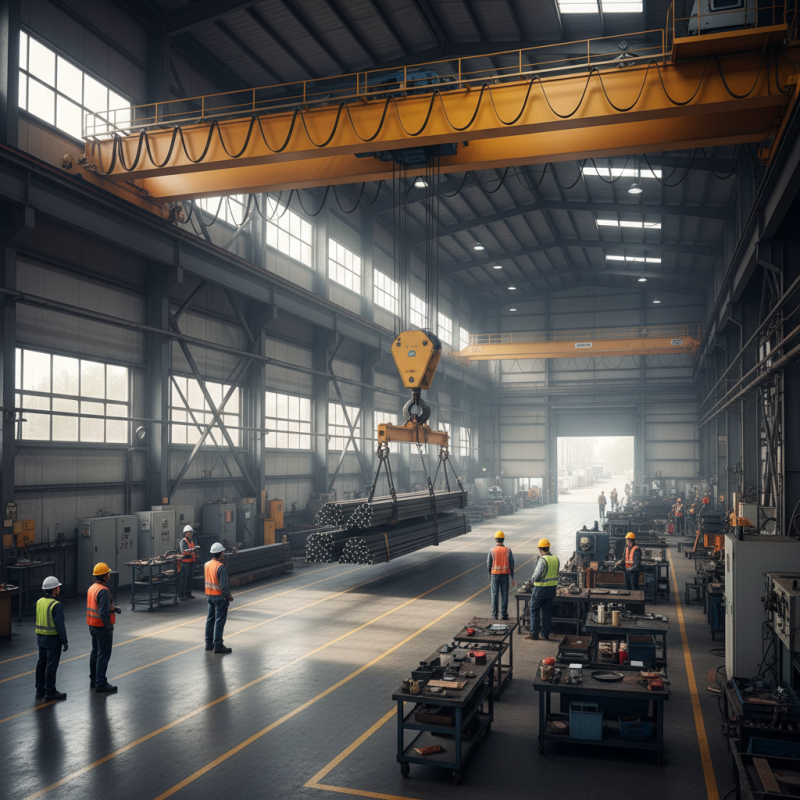
How to Determine Safety Standards for Overhead Cranes?

Overview of Overhead Crane Safety Standards

When discussing overhead crane safety standards, it's essential to focus on regulations and best practices. Safety standards ensure cranes operate effectively and safely, protecting workers and equipment. Understanding these guidelines can help organizations reduce risks and improve overall workplace safety.

One key aspect is adhering to OSHA regulations. These guidelines cover inspection, maintenance, and operator training. Regular inspections can identify wear and tear. Operators must be well-trained, understanding load limits and emergency procedures. Knowledge of local regulations also helps in compliance.

Tips for maintaining safety include: always check the load before lifting. Use tags to indicate weight and clearance. Keep the area around the crane clear of obstacles. Regularly review safety protocols with your team. Encourage open communication about safety concerns. These practices create a culture of safety that reinforces standards. Remember, safety is not just a requirement; it’s a commitment to everyone’s well-being.

Overhead Crane Safety Standards Compliance

Key Regulatory Bodies and Their Guidelines

In the realm of overhead crane safety, understanding regulatory standards is paramount. Key regulatory bodies include the Occupational Safety and Health Administration (OSHA) and the American National Standards Institute (ANSI). OSHA outlines essential guidelines for crane operations, emphasizing daily inspections and operator certifications. According to a report by the Crane Safety Alliance, nearly 60% of crane-related accidents stem from improper use and lack of training.

When navigating these guidelines, consider how they apply to your operations. Regular training sessions can address safety standards and enhance operator skills. Always document your training programs and inspections. This not only ensures compliance but also instills a culture of safety.

Tip: Verify that your operators are familiar with ANSI B30 standards. These standards cover various aspects of crane safety, from design to maintenance. Keeping updated on changes is vital. Regular meetings with operators can help reinforce these standards and identify potential areas for improvement. Reflecting on past incidents can also provide insights into necessary adjustments in training and operations.

Identifying Hazards Associated with Overhead Cranes

Overhead cranes are essential in many industrial settings, yet they present distinct hazards. Identifying these hazards is crucial for ensuring safe operation. The risk of physical injury is significant. Operators may be exposed to falling loads, collisions, or even contact with electrical sources. Regular training and safety briefings can help mitigate these risks, but constant vigilance is required.

Maintenance is another area to consider. Worn-out gears and frayed cables can lead to operational failures. Regular inspections should be scheduled to address these concerns. Ensure that maintenance logs are detailed and accessible. This practice not only prevents accidents but also fosters a culture of safety. Implementing a systematic approach can uncover less obvious hazards typically overlooked.

In addition to physical risks, consider environmental factors. Poor lighting or cluttered work areas can increase the chance of accidents. A well-organized and illuminated workspace enhances awareness and minimizes distractions. It's essential to consistently evaluate the workspace for potential hazards and make necessary adjustments. Each observation can spark improvement. Reflecting on existing protocols can uncover gaps in safety measures that need addressing. Safety is an ongoing journey, not a final destination.

Best Practices for Implementing Safety Standards

Implementing safety standards for overhead cranes requires careful consideration and a proactive approach. Organizations should start by conducting thorough risk assessments of their crane operations. This involves identifying potential hazards, like load limits and operational environments. Clearly defined protocols addressing these risks are critical in the development process. Regular training sessions for operators and maintenance staff can foster a culture of safety.

In practice, visual aids can enhance understanding of safe operating procedures. For example, using color-coded signs or labels helps convey important information quickly. Regular safety audits are crucial; however, companies often overlook this step. Without consistent reviews, even the best systems can fall short, leading to gaps in safety compliance.

Documentation should be comprehensive yet concise. Maintain records of inspections, training, and incident reports to build reliability. This transparency not only aids in compliance but also highlights areas needing improvement. Continuous feedback loops can keep safety practices adaptable and responsive to new challenges. Engaging all employees in safety discussions often uncovers overlooked aspects of overhead crane operations, fostering a more inclusive safety environment.

Regular Inspection and Maintenance Requirements for Compliance

Overhead cranes are vital in various industries. Ensuring they meet safety standards is crucial. Regular inspections and maintenance prevent accidents and protect workers. Compliance keeps operations running smoothly and minimizes downtime.


Regular inspection should cover all parts. Check hooks, chains, and wires for wear. Look for signs of corrosion or damage. It's essential to document findings to track the crane's health over time. Scheduled maintenance helps identify issues before they escalate.


Tips: Maintain a checklist for inspections. This ensures nothing is overlooked. Train staff on inspection procedures. Empowering employees increases accountability. Encouraging open communication about safety concerns fosters a culture of awareness. Remember, vigilance is key. Regular reviews of materials and resources can enhance your compliance strategy.

FAQS

: What are key regulatory bodies for crane safety?

: Key bodies include the Occupational Safety and Health Administration and the American National Standards Institute.

Why are daily inspections important?

Daily inspections help identify hazards and prevent accidents. They ensure cranes are safe for use.

How can training improve crane operator safety?

Regular training enhances skills and knowledge. It helps operators understand safety standards effectively.

What should be documented for safety compliance?

Document training programs, inspections, and incident reports. This ensures compliance and highlights improvement areas.

How can visual aids improve safety?

Color-coded signs or labels convey crucial information quickly. They aid in understanding safe operating procedures.

Why are regular safety audits necessary?

They identify gaps in compliance. Skipping audits can lead to unsafe operating conditions.

How can companies engage employees in safety discussions?

Involve all employees in safety meetings. Their input can reveal overlooked safety aspects.

What can organizations do to identify potential hazards?

Conduct thorough risk assessments. Assess load limits and operational environments regularly.

How can companies ensure crane operators follow standards?

Verify operators’ familiarity with relevant safety standards. Regular meetings can reinforce these guidelines.

What is a common oversight in safety implementation?

Many overlook the necessity of regular safety audits. This can lead to safety compliance issues.

Conclusion

Determining safety standards for overhead cranes is essential for ensuring workplace safety and compliance. What are the safety standards for overhead cranes? These standards encompass guidelines set by key regulatory bodies, which provide frameworks for safe crane operation. It is vital to identify hazards associated with overhead cranes, such as load limits, environmental conditions, and operator training requirements.

Best practices for implementing these standards include regular safety training, effective communication among operators, and adherence to established guidelines. Additionally, regular inspection and maintenance of overhead cranes are critical to maintaining compliance and ensuring they operate safely. By adhering to these comprehensive safety protocols, organizations can mitigate risks and enhance the safety of their work environment.

Sophia

Sophia

Sophia is a dedicated marketing professional with an exceptional depth of knowledge about her company's products and services. With a keen understanding of market trends and customer needs, she crafts insightful blog posts that not only inform but also engage readers, enriching the company’s online......