Electric winches are essential tools for lifting and pulling heavy loads, often employed in various industries. However, a common concern among users is the question, "Why is my electric winch making a grinding noise?" Understanding this issue is crucial for maintaining the performance and longevity of the equipment. In 2023, a report by the Machinery Reliability Association indicated that over 30% of all winch-related failures stem from unusual noises, highlighting the importance of addressing grinding sounds promptly.
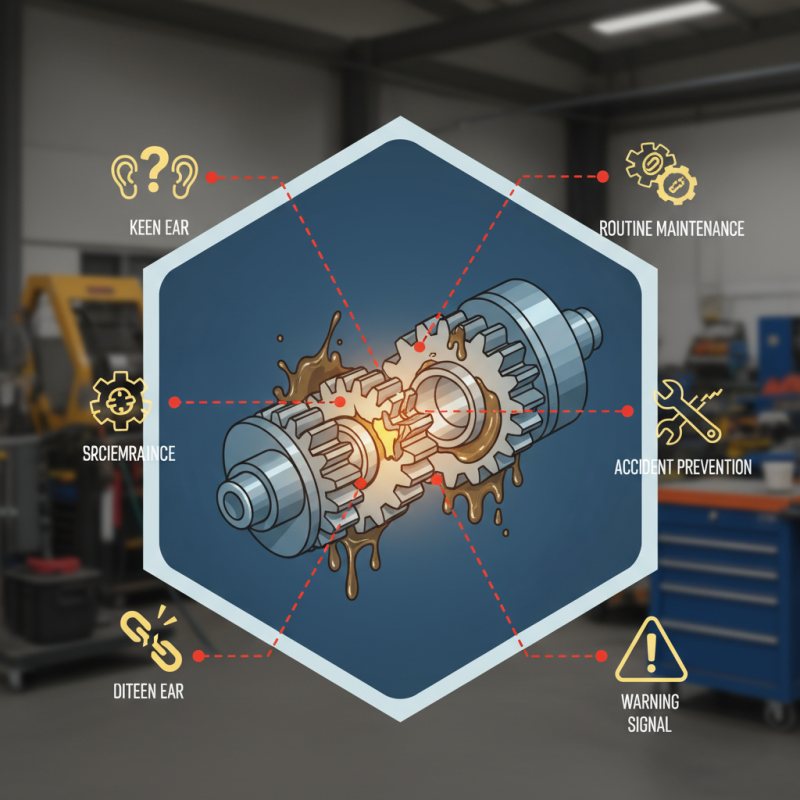
Expert analysis, such as that from industry specialist John Carter, emphasizes the significance of routine maintenance. "Ignoring grinding noises can lead to severe damage and costly repairs," he stated. This insight reinforces the need for users to remain vigilant. In some cases, the grinding may result from worn gears or improper lubrication, but diagnosing the true cause often requires a keen ear and an understanding of the machine's mechanics.
Furthermore, detecting grinding noises early can help prevent accidents, ensuring safety in work environments. Addressing the issue can sometimes involve simple fixes, yet often it's a signal to reassess our winching practices and maintenance routines. The grinding noise is not just an annoyance; it’s an alert to potential underlying dangers that shouldn't be overlooked.
Understanding Electric Winches and their Components
Understanding the components of electric winches is essential for diagnosing issues like grinding noises. These winches consist of several critical parts: the motor, gearbox, drum, and controller. According to industry reports, about 30% of winch users experience noises due to wear and tear in these components.
The motor drives the winch and generates power. If it’s worn out, it may lead to grinding sounds. The gearbox transfers power to the drum, and if it has damaged gears, it can produce a harsh noise. Regular maintenance checks help identify these issues early. The American Society of Mechanical Engineers estimates that 40% of winch failures are due to inadequate maintenance.
The drum holds the winch cable. Damage here can also contribute to noise. For instance, a bent drum can lead to uneven winding, causing friction and grinding. Inspecting the winch components routinely can catch problems before they escalate. Ultimately, understanding the specific functions of each part allows for better troubleshooting and a more efficient winch operation.
Common Causes of Grinding Noises in Electric Winches
Common Causes of Grinding Noises in Electric Winches
Electric winches are powerful tools, but they can sometimes produce grinding noises. Understanding the common causes of these sounds is crucial for prevention and maintenance. One major factor is wear on the gears or motor. According to industry reports, about 30% of winch malfunctions stem from gear degradation. This wear may occur due to age, inadequate lubrication, or heavy use.
Another culprit is misalignment in the winch assembly. An improper setup can lead to increased friction, causing grinding sounds. Data suggests that almost 25% of winches experience alignment issues over their lifespan. Regular checks on alignment and proper installation can significantly reduce the risk of these noises.
**Tips:** Regularly inspect the winch for signs of wear. Look for metal shavings or unusual vibrations. If grinding occurs, stop using the winch immediately. Ignoring these signs can lead to severe damage and costly repairs. Periodic maintenance, including lubrication and alignment checks, are essential for optimal performance and noise reduction. Ensure you have the proper technical resources available to assist with these tasks.
Diagnosing Mechanical Issues in Electric Winches
Electric winches are vital for various applications, from towing to aiding in construction projects. However, a grinding noise can signal underlying mechanical issues. Understanding these problems can prevent further damage and enhance the lifespan of the winch.
Start by examining the gears. Worn or damaged gears may create a grinding noise as they fail to mesh properly. Look for signs of wear, such as stripped teeth. Lubrication is another key factor. Insufficient or improper lubrication leads to friction, which can cause unwanted noise. Use the correct type of lubricant and ensure all moving parts are well greased.
Belt alignment is also crucial. Misaligned belts can rub against other components, resulting in grinding sounds. Check the alignment by visually inspecting and adjusting the position as necessary. These small details matter. Addressing these issues promptly can save time and money in the long run. If the noise persists, consulting a professional may be necessary for further diagnosis.
Preventive Maintenance Tips for Electric Winch Longevity
Electric winches are essential tools in various industries. However, users often face issues like grinding noises. Identifying the cause of these sounds is crucial for maintenance. Preventive maintenance can improve performance and prolong the life of your equipment.
To keep your electric winch in top shape, consider these tips:
- Regular lubrication is essential. The absence of grease or oil can lead to increased friction. According to industry reports, applying the correct lubricant can reduce wear by up to 30%.
- Check the connections frequently. Loose wires can create resistance, causing overheating. Inspecting these components can prevent costly repairs.
- Dust and debris can accumulate in the winch's housing. Clean it regularly to ensure smooth operation. Environmental factors and neglect can lead to unexpected breakdowns. A proactive approach to maintenance prevents the grinding noise that signals deeper problems.
- Without a routine check-up, small issues can escalate. Regular habits can save you from significant financial losses and improve overall safety.
When to Seek Professional Help for Electric Winch Problems
Hearing a grinding noise from your electric winch can be concerning. It often indicates an underlying issue that needs attention. The sound might come from worn gears, lack of lubrication, or foreign objects caught in the mechanism. Ignoring these sounds can lead to more severe damage. If the noise persists despite basic troubleshooting, consider seeking professional help.
Determining when to call for expert assistance is crucial. If you notice any unusual sounds regularly, it's a red flag. Additionally, if the winch struggles to lift loads it once handled easily, do not wait. An expert can perform a thorough inspection. They’ll identify issues you might overlook. It’s better to address problems quickly to prevent accidents or costly repairs.
Maintenance is vital for all machinery, and electric winches are no exception. Regular checks can prevent unexpected failures. However, if your winch is still giving you trouble after maintenance, trusting a professional is wise. They carry the expertise to diagnose and fix complex issues. It’s not just about fixing; it's about ensuring your equipment is safe and reliable for future use.
Why is My Electric Winch Making a Grinding Noise in 2026? - When to Seek Professional Help for Electric Winch Problems
| Problem Type |
Description |
Causes |
Recommended Action |
Professional Help Needed |
| Grinding Noise |
Persistent grinding sound during operation. |
Worn gears or bearings. |
Inspect and lubricate or replace parts. |
Yes |
| Intermittent Noise |
Noise varies during operation. |
Loose components or debris. |
Tighten components and clean the winch. |
No |
| No Noise |
Winch is silent when activated. |
Power loss or electrical issues. |
Check power sources and connections. |
Yes |
| Squealing Noise |
High-pitched squeal during use. |
Insufficient lubrication. |
Lubricate the winch components. |
No |
| Vibration |
Excessive shaking while operating. |
Misalignment or damaged parts. |
Realign or replace damaged components. |
Yes |
Conclusion
The article titled "Why is My Electric Winch Making a Grinding Noise in 2026?" delves into the intricacies of electric winches, exploring their components and functionality. It highlights common causes of grinding noises, such as mechanical wear or misalignment, which may stem from improper usage or lack of maintenance. Understanding these issues is crucial for diagnosing mechanical problems effectively.
Additionally, the article outlines preventive maintenance tips, emphasizing the importance of regular inspections and care to ensure the longevity of your electric winch. It concludes with guidance on when to seek professional help, ensuring users can address recurring issues promptly. Ultimately, knowing "why is my electric winch making a grinding noise" can empower users to take proactive steps in maintaining their equipment and preventing further complications.

 Pak Lift