How to Fix a Stalling Electric Winch Easy Steps to Follow?

Time:2026-06-16 Author:Sienna
0%

Electric winches are invaluable tools for lifting and towing, but they can sometimes stall. Knowing how to troubleshoot a stalling electric winch is essential for effective operation. Identifying the root cause of the problem can save time and money.

Many factors can lead to a winch stalling. It could be due to electrical issues, like faulty wiring or a weak battery. Mechanical problems may also be at play. Frayed cables or a stuck drum can impede performance. Regular maintenance is crucial to prevent these issues, but wear and tear can still occur unexpectedly.

Remember, troubleshooting isn’t always straightforward. It may take several attempts to identify the issue. Patience and attention to detail are vital. Each winch responds differently, so don’t rush through the process. With the right approach, you can get your winch back in action, ensuring it’s ready for your next task.
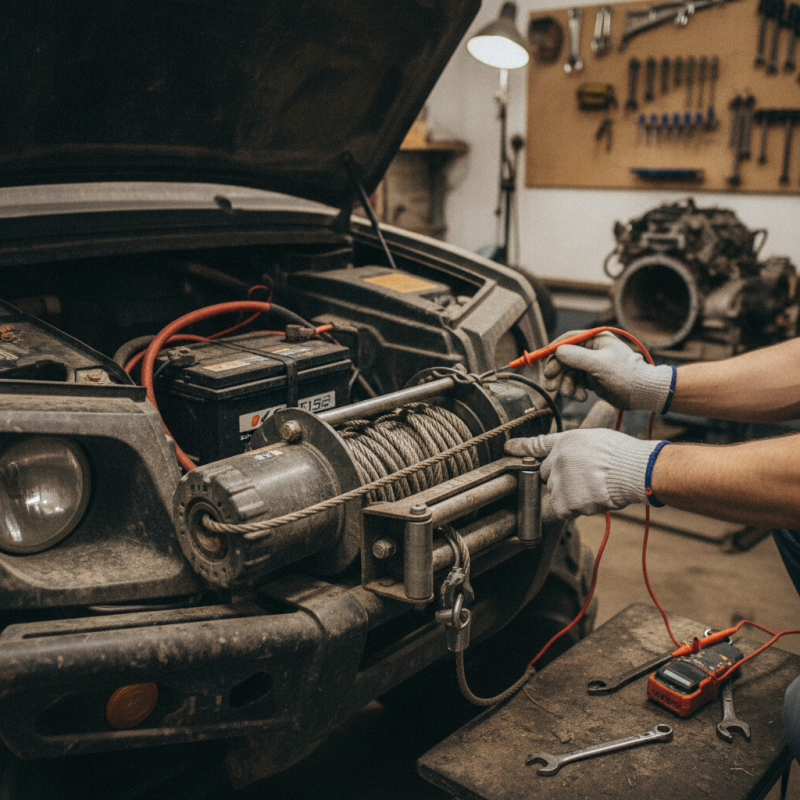
How to Fix a Stalling Electric Winch Easy Steps to Follow?

Understanding the Common Causes of Electric Winch Stalling

Electric winches are essential tools for various applications. However, a common issue they face is stalling. Understanding the causes is crucial to fixing the problem effectively.

One major reason for stalling is insufficient power supply. If the battery is weak or connections are loose, the winch may not get enough energy. Additionally, dirt and corrosion around terminals can lead to power loss. Regular maintenance is vital to avoid this issue.

Another frequent cause is overloading. Winches have specific weight limits. Exceeding this limit can cause the motor to struggle and eventually stall. Ensuring the load is within the recommended capacity is key. Lastly, mechanical issues like worn gears can contribute to stalling. Inspecting and replacing damaged components can help maintain optimal performance.

Essential Tools for Diagnosing and Repairing Your Electric Winch

When diagnosing and repairing your electric winch, having the right tools is crucial. Essential tools include a multimeter to check electrical connections, wire strippers for any necessary repairs, and a set of wrenches. Disconnecting the winch from power supplies is vital to ensure safety during inspection. Take care to check for loose or corroded connections.

It's beneficial to keep a manual handy. It provides specific troubleshooting steps. Don't overlook basic tools like a flashlight, which can help spot issues in hard-to-see areas. When assessing the winch, remember to examine the motor and gear assembly closely. Look for wear and tear, as these parts are prone to failure.

Sometimes, issues could stem from a simple battery failure or a faulty remote switch. Documenting your findings can help track recurring problems. It might make troubleshooting easier. Reflect on your repair process. Seeking help from knowledgeable sources is okay if you feel stuck.

Step-by-Step Guide to Disassembling a Stalled Electric Winch

Disassembling a stalled electric winch requires careful attention to detail. Start by disconnecting the power supply to ensure safety. Next, remove any outer casing or cover plates. This step exposes the inner mechanism, allowing for a thorough inspection of electrical components and gears. Remember that 30% of winch failures are linked to electrical issues, as reported in industry surveys.

Once the casing is removed, check for visible wear or damage. Look for signs of burnt wires or corroded connectors. These problems often lead to stalls and can be easily overlooked. Keep in mind that the average lifespan of an electric winch is about five years under regular use. If your equipment is older, it may be time for a closer look.

Carefully document each step and the condition of each part. This habit helps avoid mistakes during reassembly. Be aware that even experienced users can overlook small elements, leading to future malfunctions. Practicing patience during disassembly will save time in the long run. Ensure that all components are cleaned before reassembly. This attention to detail significantly enhances the winch's performance and lifespan.

How to Fix a Stalling Electric Winch - Easy Steps to Follow

Step Number Action Item Description Tools Required
1 Disconnect Power Ensure that the winch is completely powered off to prevent any electrical hazards. None
2 Inspect Wiring Check for loose or damaged wires that may cause the winch to stall. Screwdriver, Multimeter
3 Clean Winch Components Remove dirt and debris from the winch to ensure proper functionality. Brush, Cloth
4 Check Motor Functionality Test the motor to ensure it runs smoothly and doesn't stall. Multimeter, Test Leads
5 Reassemble and Test Put all components back together and conduct a test run. None

Testing and Replacing Faulty Components to Restore Winch Functionality

Electric winches can stall, leading to frustration. To get your winch back to work, start by checking its components. A malfunctioning battery is a common issue. Inspect the terminals for corrosion or loose connections. Clean and tighten connections if necessary. A weak battery can diminish the winch's power. Consider testing it under load.

Next, examine the motor. Listen for unusual noises when the winch is running. If it spins sluggishly or emits a burning smell, it may be overheating. Check for debris blocking the fan. Clear any obstructions to improve airflow. If the motor is faulty, replacing it may be your only option. Ensure the replacement part fits well.

**Tips:** Regular maintenance can prevent stalling. Always store the winch in a dry place. Frequent testing of basic components will help spot problems early. Remember to keep a simple tool kit handy for quick repairs. Minor issues can escalate if ignored, leading to costly replacements and downtime. Stay proactive for optimal performance.

Preventative Maintenance Tips to Avoid Electric Winch Stalling Issues

Electric winches are vital tools for many heavy-duty applications. However, they can stall, leading to frustration and downtime. Regular maintenance is crucial to prevent these issues. Follow these straightforward tips to keep your winch in top shape.

Start by checking the power supply. Low voltage can cause stalling. Always ensure connections are clean and secure. Inspect the winch's motor for signs of wear or overheating. Sometimes, a simple adjustment can make a significant difference. Lubricate all moving parts regularly. This reduces friction and enhances performance. Dust and debris can accumulate, so keep your winch clean.

Another critical aspect is load management. Exceeding the winch's capacity can lead to stalling. Understanding your winch's specifications helps avoid mistakes. Test the winch frequently under different conditions. Documenting these tests can reveal patterns. If issues arise, reflect on what might be causing the stall. Addressing those concerns early on can save time and effort later.

FAQS

: What tools are essential for diagnosing an electric winch?

: You need a multimeter, wire strippers, and various wrenches. A flashlight can help spot hidden issues.

How do I ensure safety while inspecting my winch?

Always disconnect the winch from power sources before inspection to prevent accidents.

What are common causes of electric winch stalling?

A malfunctioning battery, loose connections, or overheating motors can cause stalling issues.

How can I maintain my winch to prevent stalling?

Regularly check the power supply, lubricate moving parts, and ensure connections are clean and secure.

What should I do if my winch motor is making unusual noises?

Listen for strange sounds. If it’s sluggish or smells burnt, check for blockages or consider replacing it.

How important is it to document findings during repairs?

Documenting helps track recurring problems and can simplify troubleshooting in the future.

How can I improve the lifespan of my electric winch?

Store the winch in a dry place, perform regular checks, and avoid exceeding its load capacity.

What should I do if I feel stuck during repairs?

Seeking help from knowledgeable sources is encouraged if you’re unsure how to proceed.

Why is load management essential for winch performance?

Exceeding the winch's capacity can lead to stalling. Understanding specifications helps prevent mistakes.

Can minor issues lead to more significant problems if ignored?

Yes, small problems can escalate and result in costly repairs or downtime, so address them promptly.

Conclusion

In the article "How to Fix a Stalling Electric Winch Easy Steps to Follow," readers are guided through a comprehensive understanding of the common causes of electric winch stalling and the essential tools needed for effective diagnosis and repair. The article emphasizes how to troubleshoot a stalling electric winch by outlining a step-by-step guide for disassembling the winch and identifying potential faults within its components.

Additionally, the importance of testing and replacing defective parts is highlighted to restore functionality. The article also provides preventative maintenance tips, ensuring that users can avoid stalling issues in the future. With practical advice and clear instructions, this guide serves as a valuable resource for winch maintenance and repair enthusiasts.

Sienna

Sienna

Sienna is a skilled marketing professional with a deep expertise in our company’s core products and services. With a passion for innovation and detail, she plays a pivotal role in crafting insightful blog posts that not only highlight the unique features of our offerings but also provide valuable......