Lifting equipment plays a crucial role in various industries. With safety being a top priority, the question arises: "How often should lifting equipment be inspected?" According to industry reports, improper maintenance contributes to 10% of workplace accidents. Regular inspections ensure compliance and enhance safety.
A study by the Occupational Safety and Health Administration (OSHA) states that almost 50% of lifting equipment failures are due to neglect. Frequent inspections can prevent costly downtime and serious injuries. Equipment operators and managers should consider setting a regular schedule for these checks.
The challenges of consistent inspections often arise from busy schedules and budget constraints. However, prioritizing routine assessments can reinforce a culture of safety. While we recognize the obstacles, embracing proactive measures can lead to a safer work environment and uphold equipment reliability.
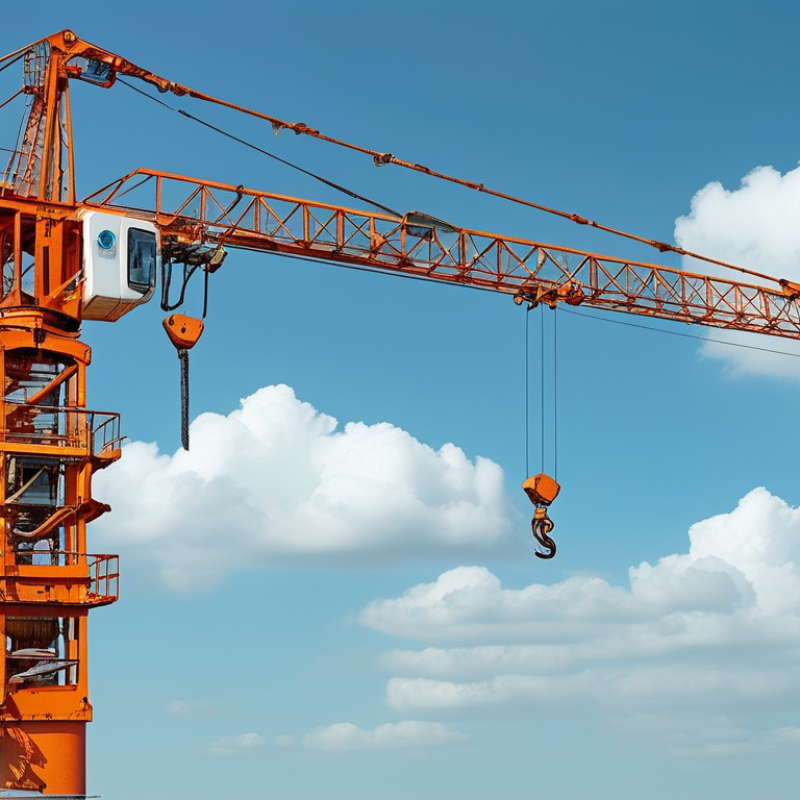
Regular inspection of lifting equipment is crucial for workplace safety. These inspections help identify wearing and deteriorating parts that might compromise performance. Adequate monitoring prevents accidents before they happen. Operators should develop a routine for checking cables, hooks, and other components. Keep an eye on signs of rust, fraying, or bending. Address these issues immediately.
Lifting equipment is often used in dangerous environments. The potential for injury is high without regular checks. Operators must be trained to spot hazards. Documenting inspections creates a safety record. This practice improves accountability and reliability. Equipment that fails inspections should not be used until repaired. Relying on equipment without routine checks poses serious risks to staff and project timelines.
Reactive measures often come too late. For instance, an overlooked cable can snap, causing damage and injury. Building a culture of regular inspection requires commitment from everyone. Reflecting on past incidents can guide future practices. Ensuring equipment is well-maintained saves lives and costs. Regular inspections are not just an option; they are necessary.
Lifting equipment plays a vital role in construction and manufacturing. Regular inspection is essential to ensure safety and functionality. Common types of equipment requiring inspection include cranes, hoists, and forklifts. Each type has unique components that need attention.
Cranes, often used for heavy lifting, should be checked for structural integrity. Look for signs of wear, such as cracks or rust. Hoists, whether manual or electric, should be inspected for proper tension and wear on cables. Forklifts require checks on brakes and steering mechanisms.
Tips: Always document your inspections. This creates a reliable record for audits and safety compliance. Training staff on inspection processes is crucial. Every team member should know the signs of potential issues. Encourage a safety-first mindset. Relying on equipment without regular checks can lead to accidents.
Maintaining lifting equipment is not just about compliance. It's about protecting lives and livelihoods. Regular inspections can reveal hidden problems that, if left unchecked, may cause serious accidents. Always question the current state of your equipment. Is it operating at its best? Are you taking the necessary precautions?
Regular inspection of lifting equipment is crucial to ensure safety and compliance with regulations. The following chart illustrates the common types of lifting equipment along with recommended inspection frequencies.
Lifting equipment is integral to many industries, yet frequent inspections are often overlooked. This oversight introduces key safety risks. Equipment that isn’t regularly inspected may have undetected wear and tear. A small crack or corrosion can lead to catastrophic failures. These issues are often invisible until it’s too late.
Infrequent inspections also create complacency among operators. They may become overconfident, assuming everything is functioning properly. This can result in risky behavior. Operators may push equipment beyond safe limits, leading to accidents. Each incident can cause injuries or even fatalities.
Moreover, regulatory standards often require regular inspections. Failing to comply can lead to legal consequences and costly fines. Companies can face reputational damage as well. Trust is eroded when safety isn’t prioritized. Regular inspections not only ensure compliance but also foster a culture of safety. In the long run, this approach saves lives and resources.
Inspecting lifting equipment frequently is crucial for safety and efficiency. According to the Occupational Safety and Health Administration (OSHA), nearly 50% of workplace accidents involve improper use of lifting devices. Regular inspections help prevent failures that could lead to injury. In fact, a well-maintained piece of equipment can significantly reduce the chances of incidents.
Best practices for inspections include a thorough visual check of all components. Look for signs of wear, corrosion, or any irregularities. Following these steps can enhance operational safety. Ensure that operators are trained to identify signs of malfunction. They should know how to report issues immediately, rather than waiting for the next scheduled inspection.
Tips: Always document your inspections. This creates accountability and can help in identifying recurring issues. A checklist can be beneficial. Keep records for reference and training to illustrate the importance of these inspections.
In addition, consider adopting a preventive maintenance schedule. Data from the National Safety Council shows that regular maintenance can extend equipment lifespan by up to 30%. You shouldn’t just rely on visual checks; using specialized tools can reveal hidden problems. Frequent inspections might seem tedious, but the cost of neglect is much higher.
| Inspection Date | Equipment Type | Inspector | Condition | Notes |
|---|---|---|---|---|
| 2023-01-15 | Overhead Crane | John Smith | Good | No issues found. |
| 2023-02-10 | Forklift | Jane Doe | Fair | Minor hydraulic leaks observed. |
| 2023-03-05 | Chain Hoist | Mark Johnson | Excellent | Lubrication needed. |
| 2023-04-20 | Mobile Crane | Emily Davis | Poor | Brake system needs immediate attention. |
Lifting equipment plays a crucial role in various industries. Regular inspections are not just best practice; they are often regulatory requirements. Standards set by organizations such as OSHA and ASME mandate frequent checks, which can prevent accidents. In fact, a 2021 report indicated that proper equipment maintenance can reduce workplace injuries by over 30%.
Inspection protocols vary across industries. However, regulations generally emphasize checking for mechanical integrity, wear, and proper functioning of safety features. For instance, lifting slings should be examined for signs of damage, degradation, or contamination. It is common to overlook minor issues, but even small defects can lead to catastrophic failures.
Adherence to these standards shouldn't be seen as mere compliance. They reflect a commitment to safety and responsibility. According to a 2022 survey, 70% of firms reported near misses that could have been prevented with better equipment checks. Regular inspections foster a culture of safety. Still, the question is: are inspections rigorous enough, or is complacency creeping in? Each inspection should be approached with diligence. Otherwise, risks escalate.
: Regular inspections prevent undetected wear and tear, which can lead to serious failures later.
Infrequent inspections may result in complacency, leading operators to push equipment beyond safe limits.
Skipping inspections can lead to injuries, fatalities, legal consequences, and reputational damage.
Inspections should be frequent and aligned with regulatory standards for safety.
Regulations usually emphasize checking mechanical integrity, wear, and safety features' proper functioning.
Overlooking minor defects can result in catastrophic failures and serious accidents.
Regular inspections can reduce workplace injuries by over 30%, promoting a safer environment.
Many companies struggle with compliance, risking safety culture and trust with their teams.
Inspections should be approached diligently; complacency can escalate risks significantly.
Some believe inspections are just about compliance, neglecting their critical role in safety.
Regular inspection of lifting equipment is crucial for ensuring safety and operational efficiency in any workplace. How often should lifting equipment be inspected? The frequency of inspections varies based on the type of equipment and usage, but it is essential to adhere to established guidelines to mitigate risks. Common types of lifting equipment, including cranes, hoists, and forklifts, require routine checks to identify potential issues before they lead to accidents.
Neglecting inspections can result in significant safety hazards, such as equipment failure or accidents that could jeopardize workers’ safety. Adopting best practices for conducting thorough inspections and being familiar with relevant regulatory standards will help maintain equipment integrity and compliance. Prioritizing regular inspections not only protects personnel but also ensures the longevity of the equipment in use.

Pak Lift