Operating a gantry crane safely in a warehouse is crucial for efficiency and safety. According to a recent report by the Occupational Safety and Health Administration (OSHA), improper crane operation accounts for approximately 45% of warehouse accidents. The importance of training and vigilant operational practices is paramount in mitigating these risks. Experts highlight that “proper knowledge and practice can save lives,” as stated by Johnathan Harris, a leading safety consultant in material handling.
In a bustling warehouse environment, the risks associated with gantry crane operation are manifold. Recognizing the significance of maintaining load integrity and understanding the surrounding workspace is vital. Ensuring that all operators are fully trained and compliant with safety protocols can significantly reduce the likelihood of incidents. Research shows that organizations with structured training programs report 30% fewer accidents.
Daily operations can present unforeseen challenges that require quick thinking. Adapting to these situations, while adhering to safety standards, is a must. Maintaining open communication among team members can enhance situational awareness as well. How to safely operate a gantry crane in a warehouse is more than just following guidelines; it involves a culture of safety that needs constant attention and reflection.
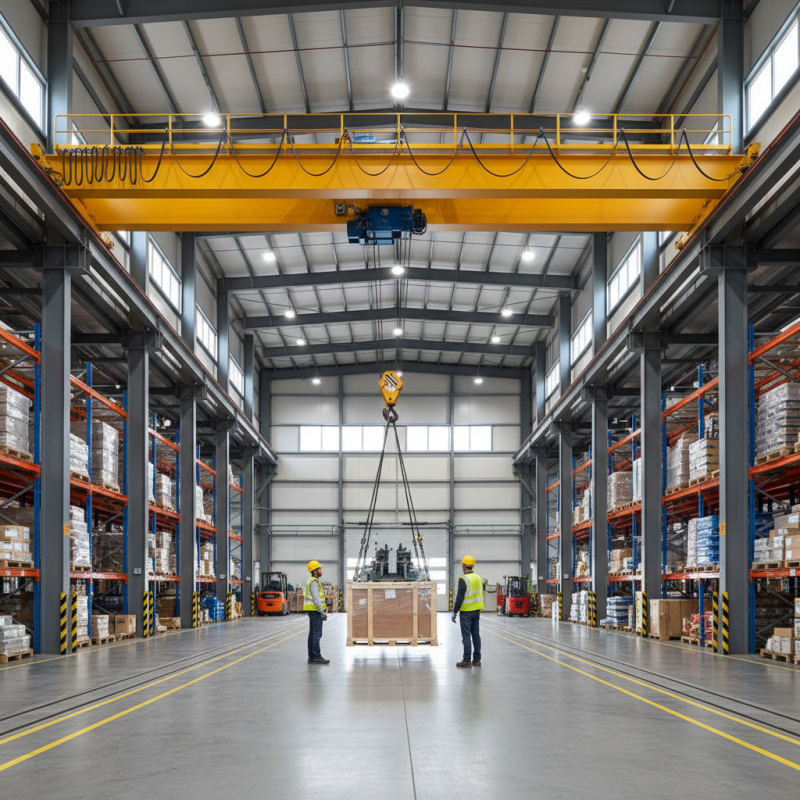
Understanding the components of a gantry crane is crucial for safe operation in a warehouse. A typical gantry crane consists of a bridge, hoist, and legs. The bridge supports the hoist, which is responsible for lifting heavy loads. According to a report by the Occupational Safety and Health Administration (OSHA), improper use of lifting equipment accounts for 25% of workplace injuries, emphasizing the importance of understanding these components.
The legs of the gantry crane provide stability and support. They are often adjustable to accommodate different load heights. Inadequate leg support can lead to serious accidents. The crane's overall design must comply with industry safety standards. The American National Standards Institute (ANSI) states that cranes should have features like anti-collision devices. However, many outdated cranes may lack these essential safety components.
Regular inspections are vital to maintain the integrity of a gantry crane. A study from the Bureau of Labor Statistics found that 70% of crane-related accidents could have been prevented with better maintenance practices. Operators should be aware of wear and tear on parts. Understanding the signs of deterioration is part of operational excellence. Flawed components can lead to catastrophic failures if not addressed timely.
Operational safety is crucial when using gantry cranes in warehouses. According to the Occupational Safety and Health Administration (OSHA), improper use of cranes is a leading cause of workplace injuries. Ensuring safety begins with a thorough inspection of the crane. Operators should check for any wear and tear on cables, hoists, and other components before starting work.
Moreover, it is essential to establish a designated operating area. This area should be free from obstacles and unauthorized personnel. Keeping the area organized minimizes distractions and reduces the risk of accidents. Training staff on proper signals and communication methods is equally important. Miscommunication can lead to serious incidents, as approximately 30% of crane accidents involve factors linked to human error.
Operators must wear appropriate personal protective equipment (PPE). Hard hats and steel-toed boots are standard in the industry. Maintaining clear visibility is critical, so operators should remain aware of their surroundings. Regular training sessions and safety drills can refresh knowledge and further engrain safety protocols in daily operations. Adapting to new challenges is vital; as technology changes, so do safety measures. Reflecting on past incidents can guide improvement, making safety a continuous priority.
Operating a gantry crane safely in a warehouse requires careful preparation and execution. Before starting, inspect the crane for any signs of wear or damage. Ensure that all safety features are functioning properly. Also, review load limits and make sure you understand the area of operation. This knowledge helps prevent accidents and injuries.
Tip: Always communicate clearly with your team. Use hand signals or radios to confirm actions. This coordination is essential to ensure that everyone is aware of the crane’s movements and the load being lifted.
As you begin operating, remember to keep the load stable. Avoid sudden movements. Move slowly and watch for obstacles. Stay aware of your surroundings at all times. If something feels off, pause and reassess the situation. Reflecting on potential risks is key to safe operation.
Tip: Train all operators regularly. Even experienced workers should refresh their skills to stay sharp. Regular training can reveal overlooked safety measures and improve overall efficiency. Always prioritize safety over speed.
Operating a gantry crane safely requires thorough emergency procedures. When a malfunction occurs, operators should remain calm. Inspect the control panel for error messages. If an unexpected stop happens, check for obstructions. Removing these hazards can often resolve the issue quickly.
Training is vital. All personnel must understand the emergency stop button's location and function. They should know how to react in power failures or equipment malfunctions. Clear communication can prevent accidents during these critical moments. Inadequate training can lead to confusion when urgency strikes.
Regular maintenance checks are essential for troubleshooting. Have a checklist for inspections that cover cables, brakes, and power sources. Documenting these checks builds a reliable history of the crane's performance. However, it requires diligence. Skipping even one inspection could result in dire consequences. Always review safety protocols after each incident. This ensures continuous improvement and readiness for future challenges.
Regular maintenance and inspection of gantry cranes are crucial for safe operations. A report from the U.S. Bureau of Labor Statistics indicates that crane-related accidents are often linked to poor maintenance. Over 70% of these incidents are preventable with proper procedures. This emphasizes the need for routine checks and upkeep.
Perform monthly inspections to identify wear and tear. Look for cracks, rust, and functional abnormalities in all components. It’s vital to ensure that the hoisting mechanism and brakes work without any issues. Create a checklist for operators to follow during pre-operational checks. This can help minimize risks associated with unnoticed faults.
**Tip:** Document all maintenance activities meticulously. Keeping a detailed log helps track issues and ensure compliance with safety standards.
Additionally, engaging in regular training can reinforce safe practices among operators. A trained team is more likely to recognize potential hazards. It’s essential to reflect on past incidents and learn from them. Continuous learning aids in improving safety protocols and operational efficiency.
**Tip:** Encourage team discussions about safety practices. Sharing experiences can lead to valuable insights and a culture of safety awareness. Regularly reviewing these discussions can foster a proactive approach to crane safety.
: Operators must inspect cables, hoists, and components for wear or damage.
A designated area minimises distractions and keeps unauthorized personnel away.
Miscommunication can lead to accidents; about 30% of crane incidents involve human error.
Operators should wear hard hats and steel-toed boots for safety.
Operators should remain vigilant about their surroundings and clear visibility.
Regular training refreshes safety knowledge and improves overall efficiency.
Operators should pause and reassess the situation if something feels off.
As technology evolves, safety measures must adapt to ensure proper protection.
Keeping the load stable prevents accidents caused by sudden movements or obstacles.
Yes, even experienced workers should train regularly to sharpen their skills.
In the article titled "How to Safely Operate a Gantry Crane in a Warehouse," key elements for safe operation are comprehensively outlined. Understanding the components of a gantry crane is crucial for operators to ensure effective and safe lifting. Before operating the crane, it is essential to adhere to key safety precautions, including proper training and checking the equipment for any issues.
The article also provides a step-by-step procedure for operating the gantry crane, emphasizing the importance of following the guidelines meticulously to avoid accidents. Furthermore, it discusses emergency procedures and troubleshooting techniques for common issues that may arise during operation. Regular maintenance and inspection guidelines are highlighted to ensure the crane remains in optimal condition, thus reinforcing how to safely operate a gantry crane in a warehouse by prioritizing safety and operational efficiency.

Pak Lift