In industries relying on lifting equipment, safety and efficiency are paramount. One crucial question arises: "How often should lifting equipment be inspected?" The frequency of inspections plays a vital role in ensuring operational integrity. Regular evaluations help identify wear and potential failures. Failing to inspect lifts can lead to accidents that put workers at risk.
Understanding the guidelines surrounding inspection intervals is essential. Factors such as equipment type, usage frequency, and environmental conditions can all influence the need for inspections. Overlooking these elements may skew an organization’s maintenance approach. While some equipment may require daily checks, others could be inspected less frequently. This variability stresses the importance of tailored inspection schedules.
There’s no one-size-fits-all answer. Companies must analyze their specific circumstances. Establishing a culture of safety includes acknowledging that inspections may not always catch every issue. It requires ongoing reflection and commitment to best practices. Thus, recognizing the complexities of inspection timelines is vital for long-term safety and reliability.
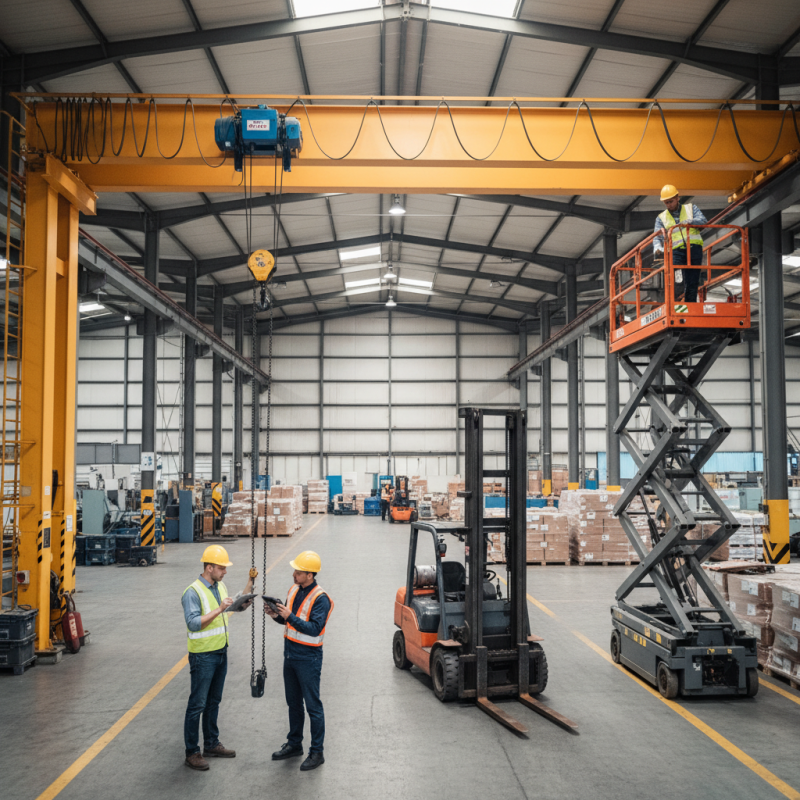
Regular inspection of lifting equipment is crucial for safety and efficiency in various industries. According to a report by the International Institute of Lifting Engineers, approximately 30% of workplace accidents arise from faulty lifting equipment. These incidents often lead to severe injuries or even fatalities. By implementing a robust inspection schedule, businesses can greatly reduce these risks.
In practice, inspections should be conducted at least every six months, as recommended by industry standards. The data shows that equipment with regular inspections lasts longer and operates more safely. For example, cranes with a stringent inspection protocol demonstrate a 15% lower failure rate than those without. Consistent checks help identify wear and tear before it becomes a serious issue. However, many companies struggle with complacency. They often assume equipment is functioning without any issues. This mindset can lead to dangerous oversights.
Beyond compliance, inspections foster a culture of safety. They encourage workers to be vigilant and actively participate in maintaining equipment. Studies indicate that organizations emphasizing regular checks see a 20% increase in employee engagement. Yet, it is important to reflect on the limitations of current practices. Are inspections thorough enough? Are workers knowledgeable about what to look for? Addressing these questions can enhance safety and operational efficiency.
Lifting equipment is essential in various industries. Ensuring its reliability hinges on regular inspections. Factors influencing inspection frequency include equipment usage, environment, and maintenance. A report by the International Organization for Standardization (ISO) highlights that 80% of lifting accidents stem from equipment failure due to insufficient maintenance.
The frequency of inspections varies widely. For equipment used daily, inspections should occur monthly or quarterly. Equipment in harsh conditions requires even more frequent checks. Research suggests that outdoor equipment exposed to weather elements should be inspected weekly. This is vital to catch rust, wear, or damage early.
Another factor is the type of lifting equipment. Hoists, cranes, and slings have distinct inspection needs. The American Society of Mechanical Engineers (ASME) recommends that cranes undergo thorough inspections every 12 months, while slings may need checks every 1-3 months. Understanding these guidelines ensures safety and compliance, yet many industries still overlook them. The consequences can be dire, resulting in accidents that could have been prevented through timely inspections.
Inspecting lifting equipment is essential for workplace safety and operational efficiency. Adhering to industry standards and regulations ensures that equipment is reliable and safe for use. Regular inspections help prevent accidents and extend the lifespan of machinery. Most guidelines suggest that visual inspections be conducted daily. More comprehensive checks should occur monthly or quarterly, depending on usage and type of lifting equipment.
Regulatory bodies, such as OSHA and ANSI, outline specific requirements for equipment inspections. They emphasize the importance of maintaining records of these inspections. These records not only document compliance but also provide insights into potential issues. Employers must train personnel to recognize signs of wear and potential failure. While regulations vary, the core principle remains the same: safety is paramount. Not all organizations adhere strictly to these guidelines. This inconsistency can lead to serious safety risks that need addressing.
Lifting equipment is vital in many industries. Regular inspections ensure safety and compliance. According to the National Safety Council, improper lifting can lead to serious injuries. Scheduling inspections based on usage and manufacturer guidelines is essential.
Inspect lifting equipment regularly. Daily checks focus on visible issues. Monthly inspections should include structural integrity assessments. Annual checks are more comprehensive, including load testing. Collect data on inspection outcomes. This practice helps identify patterns in equipment performance.
Tip: Keep an inspection checklist handy. Regularly update it to include specific equipment details. Use clear images for visual aids. Engage employees in the inspection process. Their insights can reveal unnoticed problems. Prioritize training to increase awareness about the importance of inspections.
Adapting inspection schedules might be necessary. Factors like equipment age, usage frequency, and environmental conditions come into play. Equipment used in harsh environments often requires more frequent inspections. Review your schedule periodically to reflect changes in conditions. Understanding these factors leads to better risk management.
| Guideline | Inspection Frequency | Duration of Inspection | Notes |
|---|---|---|---|
| Monthly Inspection | Every month | 1 hour | Basic functionality check |
| Quarterly Inspection | Every 3 months | 2 hours | Detailed examination of components |
| Semi-Annual Inspection | Every 6 months | 3 hours | Operational testing along with checks |
| Annual Inspection | Every year | 4 hours | Complete assessment and certifications |
| Post-Incident Inspection | As needed | Variable | After any accident or malfunction |
| Manufacturer Recommendations | As specified | Variable | Follow specific guidelines from the manufacturer |
| Environmental Factors | As needed | Variable | In harsh conditions (e.g., outdoors, humidity) |
| User Training & Awareness | Ongoing | 1 hour per session | Regular training on equipment use and safety |
| Logkeeping | Ongoing | Continuous | Maintain a record of inspections and issues |
| Emergency Preparedness | Annual Review | 2 hours | Ensure safety measures and procedures |
Lifting equipment comes in various types, each with specific inspection requirements that ensure safety and efficiency. Common types include cranes, hoists, slings, and forklifts. Each type possesses unique characteristics that influence inspection schedules and procedures. For example, overhead cranes generally require inspections every 12 months, while portable hoists may need examination every six months, depending on usage.
Tips: Regularly check slings for wear and tear. A frayed sling can lead to accidents. Use hooks designed for your specific lifting task. An improper hook can compromise safety.
Additionally, visual inspections should occur before each use. Operators should examine for signs of damage, rust, or deformation. These surface issues can indicate deeper problems. Assess operational functions, including controls and brakes, for safe functionality.
Tips: Keep a log of inspections. Documentation ensures you meet compliance and facilitates necessary repairs. Involve workers in inspection processes, as their hands-on experience can uncover issues that formal checks may miss.
: Regular inspections are vital for safety and can prevent serious workplace accidents. It helps ensure equipment reliability.
Inspections should be conducted every six months. For daily-use equipment, monthly or quarterly checks are often necessary.
Insufficient inspections can lead to equipment failure. Reports suggest that 80% of accidents stem from such failures.
Usage, environment, and type of equipment affect how often inspections are needed. Each factor can prolong or shorten intervals.
No, different equipment has unique needs. Cranes may need annual checks while slings may require checks every 1-3 months.
Regular checks encourage employee vigilance and active maintenance participation. A safety-oriented culture boosts engagement dramatically.
Overlooking inspection guidelines can lead to dire accidents. Many issues can be anticipated and avoided with regular checks.
Regulatory bodies set standards for inspections. They also require records to track compliance and potential equipment issues.
Not all companies adhere strictly to regulations. This inconsistency can present significant safety risks for workers.
Companies should reflect on whether their inspections are thorough and if workers know what signs to look for during checks.
Regular inspection of lifting equipment is crucial to ensure safety and compliance in various industries. Understanding how often lifting equipment should be inspected involves recognizing the importance of these routine checks. Factors such as usage frequency, the environment in which the equipment operates, and manufacturer guidelines can significantly influence inspection frequency. Adhering to industry standards and regulations is essential for maintaining equipment safety and performance.
Best practices suggest establishing a comprehensive inspection schedule, tailored to the specific types of lifting equipment being used. Common types include cranes, hoists, and forklifts, each with unique inspection requirements. By prioritizing these inspections and following established guidelines, organizations can minimize risks and enhance the longevity of their equipment while ensuring a safe working environment. Thus, addressing the question of how often lifting equipment should be inspected is vital for operational efficiency and safety compliance.

Pak Lift