2026 How to Avoid Risks of Overloading a Chain Block?

Time:2026-06-26 Author:Sophia
0%

In the lifting and construction industries, safety is paramount. Understanding the risks of overloading a chain block is essential for preventing accidents. According to Dr. Emily Carter, a safety expert with over 15 years of experience, "Overloading can lead to catastrophic failure and injuries." This statement underscores the importance of adhering to weight limits and operational guidelines.

Chain blocks, often used for heavy lifting, have specific load capacities. Exceeding these limits can cause chain breakage or serious equipment malfunctions. These risks are not just mechanical; they pose significant dangers to workers in the vicinity. A clear understanding of what overloading entails is necessary for job site safety.

Maintaining vigilance is key. Regularly inspecting equipment and training workers on safe practices can reduce risks. However, neglecting these steps can lead to devastating consequences. As Dr. Carter emphasizes, ignorance of proper guidelines can be the downfall in safe lifting. Understanding the question, "What are the risks of overloading a chain block," is crucial for creating a safer working environment.
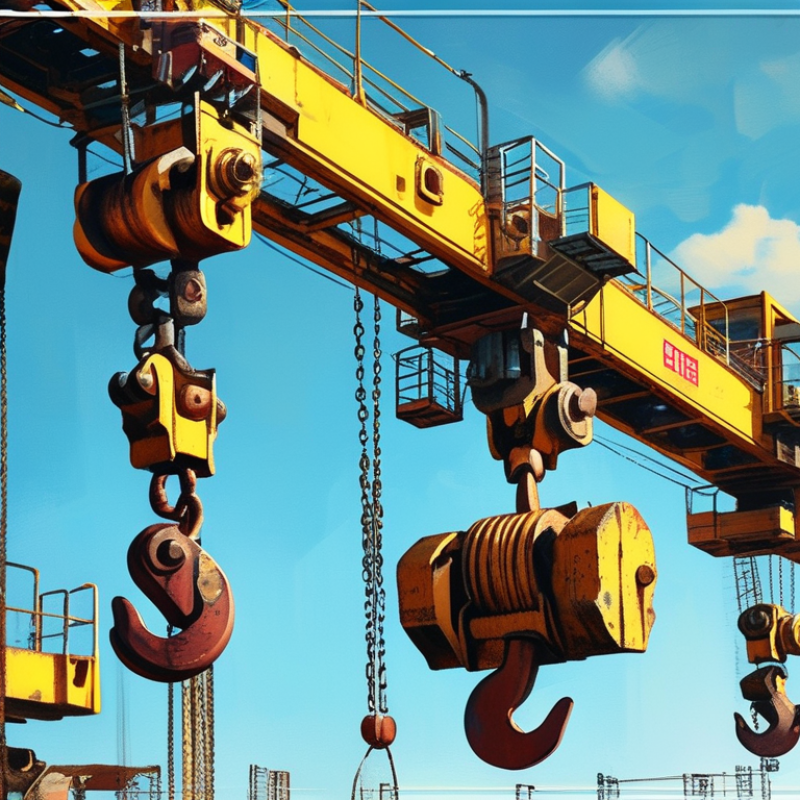
2026 How to Avoid Risks of Overloading a Chain Block?

Understanding Chain Blocks: Function and Purpose

Chain blocks play a crucial role in lifting heavy loads safely and efficiently. They consist of a chain, pulley, and a mechanism that allows for smooth operation. Understanding their function helps prevent accidents in various industries. When used correctly, chain blocks can enhance productivity while minimizing the risk of overloads.

Overloading a chain block can lead to equipment failure or severe accidents. It is essential to know the weight limits of a chain block and adhere to them strictly. Many operators underestimate the weight of their loads. Some may not account for additional factors like dynamic loads, which can add unexpected stress. These oversights can result in catastrophic consequences.

Regular inspections and maintenance can also prevent issues. Components can wear out over time, leading to unpredicted failures. Operators often overlook signs of wear, assuming everything is functioning well. Training on load calculations and proper usage is vital. Continuous education on best practices may seem tedious but is necessary for safety. Recognizing the limits of technology and one’s own knowledge is crucial in avoiding mishaps.

Identifying Common Risks of Overloading Chain Blocks

Overloading chain blocks poses significant risks, yet many still overlook them. According to industry reports, approximately 18% of lifting accidents arise from improper load handling. Identifying common risks can help in mitigating these accidents.

One prevalent risk is exceeding the manufacturer’s load capacity. Data indicates that 25% of users do not adhere to specified limits. This can lead to equipment failure, resulting in severe injuries or fatalities. Frequent inspections and maintenance are crucial. Regular checks can identify potential weaknesses in the chain system before accidents occur.

Another risk involves the lack of proper training for operators. Studies show that about 30% of accidents stem from human error. Operators must understand load balancing and rigging techniques. Furthermore, inadequate communication during lifting operations can lead to mishaps. Enhancing training programs and emphasizing safe practices are vital in reducing these risks. While safety measures exist, vigilance is essential. Reflecting on past incidents can foster a more proactive safety culture.

2026 How to Avoid Risks of Overloading a Chain Block? - Identifying Common Risks of Overloading Chain Blocks

Risk Identification Description Recommended Solutions Frequency of Occurrence
Incorrect Load Calculation Failure to correctly calculate the load can lead to overloading. Conduct regular training, use load calculators. High
Equipment Misuse Operators may use equipment for unintended purposes. Implement strict operational guidelines and training. Medium
Mechanical Wear and Tear Aging and damaged chains or blocks can fail under load. Regular inspections and maintenance schedules. High
Environmental Factors Weather conditions such as wind can affect load stability. Monitor weather conditions and adjust operations accordingly. Low to Medium
Overloading Beyond Capacity Exceeding the rated capacity of the chain block. Clearly label load limits and educate operators. Very High

Factors Contributing to Chain Block Overloading

Overloading a chain block can lead to severe consequences. Understanding the factors that contribute to this risk is essential for safety. One major factor is insufficient load estimation. Workers often underestimate the weight of materials. This oversight can result in overloading, risking equipment failure and accidents.

Another factor is improper equipment maintenance. Regular inspections are crucial. Neglecting maintenance can lead to mechanical issues that increase the risk of overloading. For instance, worn-out chains or faulty limit switches might not handle expected weights. This creates a dangerous situation for operators and surroundings.

Training staff on proper load management is vital but often overlooked. Lack of training can lead to improper usage of chain blocks. Workers must recognize the signs of potential overloading. Encouraging a culture of safety awareness can mitigate these risks. Frequent reminders about weight limits and safe practices can make a difference. Addressing human error is key to ensuring safety in lifting operations.

Best Practices for Safe Chain Block Usage

When using chain blocks, safety should be a top priority. It's essential to know the weight limits. Overloading can lead to equipment failure and accidents. Always check the manufacturer's specifications. Understanding the load capacity is critical. Regular inspections can help identify weak points. Look for signs of wear and tear. Cracks or rust might indicate that the chain block is no longer reliable.

Proper setup is also crucial for safe usage. Ensure that the block is mounted securely. Check the alignment to avoid strain on the equipment. Use the right hooks and attachments. They should fit the load and be in good condition. A misaligned block can lead to dangerous situations. Training staff on best practices is vital. They should know how to operate chain blocks safely.

Human error is a common risk factor. Sometimes, operators may take risks to save time. Rushing can lead to mistakes. It's important to create a culture of safety. Encourage workers to double-check their setups. Remind them that a few extra minutes can prevent accidents. Regularly review safety procedures. Engaging in open discussions about risks can improve awareness.

Regular Maintenance and Inspections to Prevent Overloading

Regular maintenance of chain blocks is crucial for safety. Overloading can result in serious accidents and damage. It is essential to perform inspections frequently. Look for signs of wear and tear. Inspect hooks, chains, and load-bearing components regularly. Any visible damage should be addressed immediately.

Fluids and lubricants also play a significant role. They help reduce friction and enhance performance. Check for proper lubrication levels during inspections. Neglecting this can lead to equipment failure. Additionally, keep an eye on the load limits. Each chain block has specifications that must not be exceeded. Understanding these limits can prevent accidental overloading.

Training operators is another key factor. Ensure they understand how to use chain blocks properly. Misuse can lead to catastrophic failures. Encouraging a culture of safety and awareness is vital. Regular meetings to discuss safety practices can reinforce this. Documenting these procedures leads to accountability and continuous improvement.

FAQS

: What role do chain blocks play in lifting?

: Chain blocks are crucial for lifting heavy loads safely and efficiently.

What happens if a chain block is overloaded?

Overloading a chain block can cause equipment failure and serious accidents.

How can regular maintenance help with safety?

Regular maintenance helps identify wear and tear, preventing unexpected failures.

Why is understanding load limits important?

Knowing load limits helps prevent dangerous overload situations.

What should be inspected on chain blocks?

Check hooks, chains, and load-bearing components for signs of damage.

How does human error affect chain block usage?

Rushing can lead to mistakes, increasing the risk of accidents.

Why is training essential for operators?

Proper training ensures safe and correct usage of chain blocks to avoid failures.

What indicators suggest inspection is needed?

Look for cracks, rust, and other signs of wear that indicate potential failure.

What is the significance of proper lubrication?

Proper lubrication reduces friction and enhances chain block performance.

How can a culture of safety be fostered?

Regular safety discussions and reminders can encourage careful practices among workers.

Conclusion

Overloading a chain block poses significant risks that can lead to equipment failure, accidents, and injuries. Understanding the function and purpose of chain blocks is crucial in identifying these potential hazards. Common risks of overloading include excessive strain on the equipment, which can result in mechanical breakdown or even catastrophic failure. Factors contributing to chain block overloading often involve improper load calculations, inadequate training, and neglecting safety protocols.

To mitigate what are the risks of overloading a chain block, it is essential to follow best practices for safe usage, such as adhering to load limits and ensuring proper rigging techniques. Regular maintenance and inspections also play a vital role in preventing overloading. By adhering to these guidelines, users can ensure the longevity and safe operation of chain blocks, minimizing the risk of accidents and enhancing overall workplace safety.

Sophia

Sophia

Sophia is a dedicated marketing professional with an exceptional depth of knowledge about her company's products and services. With a keen understanding of market trends and customer needs, she crafts insightful blog posts that not only inform but also engage readers, enriching the company’s online......