Lifting slings are essential tools in various industries for safely moving heavy loads. Regular maintenance is crucial to ensure their integrity and performance. This article will explore "How to inspect lifting slings for wear and tear." Understanding the signs of wear is vital for preventing accidents and ensuring workplace safety.
Inspecting slings thoroughly can be straightforward when you know what to look for. Common indicators of wear include frayed fibers, cuts, and discoloration. Each of these issues can compromise the sling's strength. The implications of neglecting these inspections can be severe, including catastrophic failures.
While many always say inspections should be routine, not everyone adheres to the proper guidelines. Lack of awareness often leads to oversight, causing unfortunate incidents. By educating yourself on best practices, you not only enhance safety but also foster a culture of responsibility within your team. This article aims to provide practical insights into ensuring your lifting slings remain safe and effective.
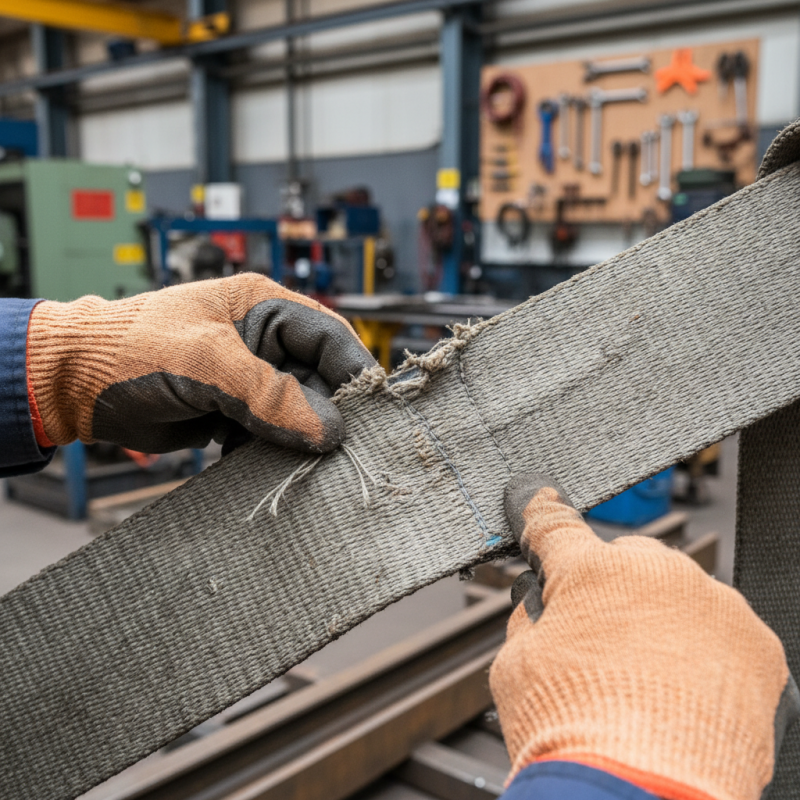
Inspecting lifting slings is crucial for safety in any lifting operation. An effective inspection helps identify wear and tear that may compromise their strength. Regular checks can prevent accidents that lead to injuries or damages. A small tear can escalate into a larger problem, putting workers at risk. Therefore, understanding what to look for during inspections is essential.
Key indicators of wear include frayed edges, cuts, and discoloration. Inspectors should also check for broken stitching and excessive stretching. These signs may seem minor but are significant. Each inspection should involve a thorough visual examination. It’s important to involve team members in this process. Collective awareness can catch issues that one person might overlook.
Accurate documentation of inspections is necessary for accountability. Sometimes we rely too heavily on memory, which can be flawed. Regular training can enhance skills and understanding of sling integrity. This fosters a culture of safety and precision. Consistent reflection on the inspection process can lead to improvements over time, making operations safer for everyone involved.
When inspecting lifting slings for wear and tear, focus on identifying key signs. Look for frayed edges or cuts on the fabric. These can indicate that the sling is no longer safe to use. Check for any discoloration or fading, which may suggest the material has weakened due to UV exposure. A thorough inspection requires attention to detail.
Always examine the sling's fittings and hardware. Any signs of rust or corrosion can compromise the sling's integrity. If the connection points appear deformed, it’s essential to replace them. Small issues can lead to significant failures when lifting heavy loads. Consistency in inspections can prevent accidents.
Tips for effective inspections: Examine slings regularly, ideally before each use. Consider keeping a log of inspections. This helps track usage and wear over time. If you notice any damage, err on the side of caution. It's better to replace a sling than risk safety. Taking these steps can ensure that lifting operations remain secure and efficient.
Inspecting lifting slings for wear and tear requires a methodical approach. According to industry reports, a staggering 23% of accidents in lifting operations result from faulty slings. Thus, routine inspections are crucial. Begin by examining the entire length of the sling for frays and cuts. Look closely at the end fittings. These are vital stress points that often show signs of wear before the sling itself.
Next, check for discoloration or fading. This may indicate exposure to harmful substances or extreme temperatures. Experts suggest using a standardized checklist during each inspection. This consistency helps in identifying emerging issues. Notably, slings that have been in service for over five years should be scrutinized even more closely. As per safety statistics, slings that exceed this timeline are significantly more likely to fail.
Finally, consider recording all findings. This documentation can reveal patterns over time, such as recurring damage points. While not all slings will show immediate signs of wear, neglecting inspections can lead to severe consequences. Regular checks help maintain a safe working environment and ensure the reliability of lifting equipment.
Lifting slings require careful maintenance and proper storage to ensure their longevity and safety. Inspecting them for wear and tear is essential, but their upkeep begins with how they are stored. Slings should be hung or stored in a cool, dry place. Avoid exposing them to direct sunlight, as UV rays degrade fibers. Always keep them away from sharp edges that can cause cuts or abrasions.
Cleaning is another vital aspect of sling maintenance. Clean them after each use to remove dirt, grease, or chemicals. Use mild soap and water, but avoid harsh detergents. Even minor damage might not always be visible. Regular examinations can help identify hidden issues. Develop a routine for checking the integrity of the slings. Look for fraying, cuts, or discoloration. If any defects are found, take them out of service immediately.
Store slings neatly to prevent tangling and crushing. A disorganized pile can lead to unnoticed damage. Training your team on proper handling can make a difference. Yet, not everyone remembers all procedures. Reinforce training periodically. Consider assigning a responsible person for sling management. This oversight can help mitigate risks. Regular checks and thoughtful storage strategies can ultimately extend the life of lifting slings.
| Inspection Criteria | Recommended Action | Frequency of Inspection | Storage Conditions |
|---|---|---|---|
| Visual Damage (Cuts, Burns) | Replace immediately if visible damage is found. | Before each use | Store in a cool, dry place away from direct sunlight. |
| Wear Indicators | Replace if wear markers show signs of being worn down. | Monthly | Avoid contact with chemicals and sharp objects. |
| Color Fading | Assess condition; if severe, consider replacement. | Every 6 months | Use protective covers when not in use. |
| Stitching Integrity | Replace any sling with fraying or broken stitching. | Every 3 months | Store flat or rolled, never twisted. |
| Weight Limit Compliance | Ensure weight capacity is clearly marked and followed. | Before each use | Store labels legibly and intact. |
Lifting slings are vital for safe operations in various industries. Regular inspection and timely replacement are crucial for maintaining safety standards. According to industry reports, approximately 15% of workplace accidents result from equipment failure, with worn slings being a common factor. To mitigate risks, it's essential to know when to replace slings.
One key guideline is to inspect slings frequently. If you notice fraying, cuts, or significant discoloration, consider replacing them. A general rule suggests replacing slings every 2-3 years, depending on usage frequency and conditions. Slings showing more than 10% wear should be immediately replaced, regardless of their age. Remember, the cost of a new sling is trivial compared to the potential costs of accidents.
Tips: Always keep a log of sling inspections. Document any signs of wear. This record helps track when replacements are necessary. Ensure staff is trained in recognizing damage signs. Regular training reinforces safety culture. Ultimately, investing in quality inspections and timely replacements can prevent serious workplace incidents.
: Focus on frayed edges, cuts, or any discoloration on the fabric. These signs indicate potential safety issues.
Inspect slings regularly, ideally before each use. Consistency is crucial to ensuring safety in operations.
Any sling showing more than 10% wear should be replaced immediately, regardless of its age.
Keeping a log of inspections helps track usage and emerging wear patterns, informing timely replacements.
Yes, exposure to UV rays or harmful substances can cause discoloration and weaken the slings over time.
Neglecting routine checks or overlooking small signs of damage can lead to severe accidents.
Regular training sessions help emphasize the signs of wear, reinforcing a culture of safety and attentive inspections.
Inspecting lifting slings for wear and tear is crucial for ensuring safety and efficiency in lifting operations. Understanding the importance of this inspection process helps operators recognize the risks associated with damaged slings. Identifying signs of wear and tear, such as frayed edges, discoloration, or broken strands, is the first step in safeguarding against potential failures.
The article outlines a step-by-step procedure for inspecting lifting slings, which includes a thorough visual inspection and checking for specific damage indicators. Additionally, it provides best practices for maintaining and storing slings to prolong their lifespan. Lastly, clear guidelines on when to replace lifting slings help users make informed decisions, ensuring that safety standards are consistently met. This comprehensive approach addresses how to inspect lifting slings for wear and tear effectively, promoting a safer working environment.

Pak Lift