A lifting sling can look serviceable while hiding a cut beneath a sleeve, a bent fitting, or heat damage near a splice. That is why “How to inspect lifting slings for wear and tear” is not just a checklist topic. It is a practical skill that helps crews spot defects before a load leaves the ground. Look closely at the sling body, stitching, tags, and hardware. A small flaw can matter.
OSHA’s sling rule, 29 CFR 1910.184, requires inspection before use each day. It states: “Each day before being used, the sling and all fastenings and attachments shall be inspected for damage or defects by a competent person designated by the employer.” The rule also directs users to remove damaged or defective slings from service. These are clear, actionable requirements—not a claim that every defect is easy to see. A worn label or hidden internal damage can complicate the decision.
This guide presents ten practical inspection points, from abrasion and cuts to corrosion, knots, and unreadable identification tags. Use the sling maker’s instructions and your site’s inspection procedure; record findings when required. One limitation deserves attention: a visual check cannot reveal every internal defect. I have no verifiable source for a named expert’s quotation on this topic, so I will not invent one. OSHA’s quoted requirement provides a reliable starting point, while a qualified person should assess uncertain damage before the sling is used again.
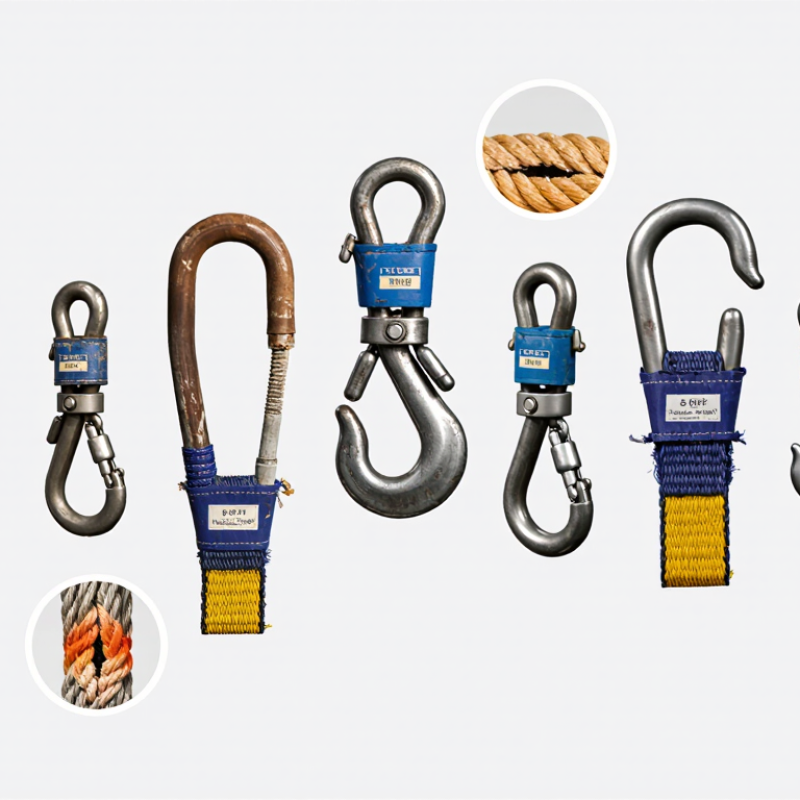
For alloy steel chain slings, OSHA 1910.184(e)(3)(iii) sets a clear limit: periodic inspection intervals must not exceed 12 months. The right interval can be shorter. It depends on how often the sling is used, the severity of service, and the types of lifts performed. A chain sling working daily around sharp edges may need closer attention than one used occasionally in clean conditions.
A calendar date can feel reassuring. It is not a condition check. Inspect before use, and look for stretched or twisted links, cracks, gouges, excessive wear, and damaged hooks or attachments. A small notch near a link can matter; dirt or grease may hide it. If a sling has been overloaded or exposed to unusual conditions, arrange an inspection sooner rather than waiting for the annual deadline. Keep the latest inspection record available, including the sling’s condition. And be honest about uncertainty: if damage is hard to judge, remove the sling from service until a qualified person evaluates it.
| No. | Inspection Check | What to Look For | Action if Defective |
|---|---|---|---|
| 1 | Verify identification and rated capacity | Check that the sling’s identification and working load limit are legible and appropriate for the intended hitch and load. | Do not use a sling if its identification is missing or unreadable, or if its capacity cannot be verified. |
| 2 | Examine synthetic webbing | Look for cuts, tears, holes, snags, excessive abrasion, broken or worn stitching, and damaged load-bearing fibers. | Remove from service when damage weakens the sling or meets a removal criterion in OSHA 1910.184(i), including severe localized abrasion or damaged load-bearing stitching. |
| 3 | Check for heat or chemical damage | Look for melting, charring, acid or caustic burns, discoloration, brittle or stiff areas, and other signs of chemical or heat exposure. | Remove a synthetic web sling showing these damage indicators from service. Do not rely on appearance alone to establish its remaining capacity. |
| 4 | Inspect chain links and attachments | Check for cracks, nicks, gouges, stretching, bent or twisted links, damaged welds, and links or components that do not move freely. | Remove an alloy steel chain sling if a link or component is cracked, stretched, or otherwise defective, or if wear at any point exceeds 10% of the original link diameter. |
| 5 | Inspect wire rope and its terminations | Look for broken wires, kinking, crushing, birdcaging, corrosion, heat damage, and damaged end attachments. | Remove a wire rope sling if it has 10 randomly distributed broken wires in one rope lay, 5 broken wires in one strand in one rope lay, or other damage listed in OSHA 1910.184(f)(5). |
| 6 | Check hooks and other fittings | Inspect hooks, shackles, rings, links, and fittings for cracks, bending, distortion, excessive wear, and secure attachment. | Remove defective components from service. For alloy steel chain sling hooks, OSHA requires removal for a crack or deformation, a throat opening increase of more than 15%, or a twist of more than 10 degrees from the plane of the unbent hook. |
| 7 | Look for knots, twists, and improper loading | Check that the sling is not knotted, kinked, tangled, or twisted in a way that could prevent proper loading or seating. | Do not lift with a knotted sling. Correct the rigging arrangement before use; remove the sling if the condition has caused damage. |
| 8 | Check seams, eyes, and protective sleeves | Inspect load-bearing seams, eyes, sleeves, and edge protection for separation, displacement, cuts, or wear that exposes or damages the sling body. | Remove the sling if its load-bearing construction is damaged or if protection no longer prevents contact with a damaging edge. |
| 9 | Confirm the sling is suitable for the lift | Match the sling type, rated capacity, hitch, and material to the load and conditions. Check for sharp edges, temperature, and chemical exposure that may affect the sling. | Do not use a sling beyond its rated capacity or outside its applicable service limits. Protect it from sharp edges and avoid unapproved repairs or modifications. |
| 10 | Set and document inspection frequency | Have a competent person inspect slings before use each day or shift, as applicable, and conduct thorough periodic inspections based on frequency of use, severity of service, and the nature of lifts. | Under OSHA 1910.184(d), periodic inspection intervals must not exceed 12 months. Inspect more often when service conditions warrant, and remove defective slings from service. |
Inspect them at intervals no longer than 12 months. Shorten the interval for frequent use, harsh conditions, or demanding lifts.
No. Inspect the sling before use, too. A calendar date cannot reveal a new crack or damaged hook.
Check for stretched or twisted links, cracks, gouges, excessive wear, and damaged hooks or attachments. Remove it if damage is uncertain.
Confirm the tag is present and readable. Check the material, size, rated capacity, and usage limits. Do not guess.
Capacity can change with the hitch and sling angle. Compare the load with the applicable capacity chart or workplace procedure.
Use good light and wipe away dirt. Turn the rope slowly, checking near eyes, fittings, and load contact points.
Look for broken wires, kinks, birdcaging, crushing, flattened areas, corrosion, and pitting. Broken strands can be sharp. Avoid running bare fingers along the rope.
Set the sling aside and ask a qualified person to evaluate it. Record the damage location and condition. A quick glance has limits.
How to inspect lifting slings for wear and tear begins with setting a consistent inspection schedule. OSHA 1910.184 limits periodic inspection intervals to 12 months, but slings used frequently or in harsh conditions may need more frequent checks. Before each lift, confirm that the sling’s identification is readable and that its rated capacity, hitch configuration, and materials are suitable for the load and lifting setup.
Inspect webbing for cuts, snags, heat damage, and broken or damaged stitching. For wire-rope slings, look for broken wires, kinks, corrosion, and other signs of deformation or deterioration. Examine hooks, links, and fittings for cracks, bending, excessive wear, or damage, and compare any concerns with the removal criteria in ASME B30.9. Remove a sling from service when defects make its safe condition uncertain, and ensure inspections are performed by qualified personnel.

 Pak Lift