How to Install a Wall Mounted Jib Crane Safely and Easily?

Time:2026-05-09 Author:Oliver
0%

Installing a wall-mounted jib crane can significantly enhance workplace efficiency. According to a recent report by the Material Handling Industry of America, cranes streamline operations, boosting productivity by up to 25%. Understanding how to install a wall-mounted jib crane is crucial for safety and functionality.

Expert John Smith, a seasoned professional in material handling systems, emphasizes, “Proper installation not only ensures safety but maximizes the crane's potential.” This highlights the importance of following precise guidelines during installation. It's a complex process that requires attention to detail, training, and the right equipment.

Many overlook the need for proper assessment of the wall structure. This assessment is vital to support the crane's weight and the loads it will handle. Neglecting such details could lead to accidents and equipment failure. Ensure you are well-prepared and informed before starting the installation process.
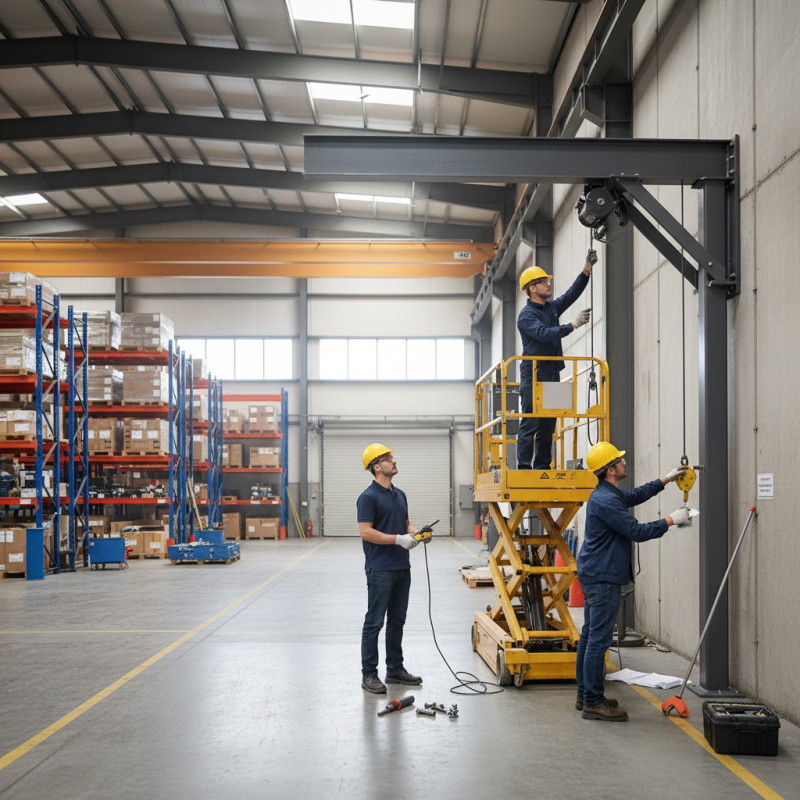
How to Install a Wall Mounted Jib Crane Safely and Easily?

Understanding the Basics of Wall Mounted Jib Cranes

Wall mounted jib cranes are essential equipment in various industries. They provide efficient lifting solutions in tight spaces. These cranes attach directly to a wall, maximizing floor space while allowing for flexibility in lifting loads. Their design supports heavy loads while maintaining stability. Users need to understand the load capacity and intended uses before installation.

It's crucial to choose the right location for the crane. The wall must be sturdy enough to support the crane and the load. Additionally, assessing the movement range is essential for safety. Incorrect placement can lead to accidents. Consider potential obstructions in the area. Mistakes can occur during installation and may pose risks.

Regular maintenance and inspection are vital. Wear and tear can compromise safety. Operators should be trained to identify issues like unusual noises or difficulty in movement. Experience plays a significant role in effectively using a jib crane, but not all operators may have the necessary training. Reflecting on safety protocols is critical to ensure a secure working environment.

Choosing the Right Location for Installation

Choosing the right location for a wall-mounted jib crane is crucial. The selection process involves assessing various factors, including the surrounding environment and workflow. Look for areas with ample overhead space. Make sure there are no obstructions that might interfere with the crane's movement. Additionally, consider the weight capacity your crane will need to handle.

Tips: Measure the ceiling height and surrounding structures before installation. This ensures your jib crane operates effectively and efficiently.

Every location has potential pitfalls. Avoid placing the crane near heavy traffic areas or where people frequently move. This will reduce the risk of accidents. Assess the installation surface as well. Make sure it can support the crane’s weight and operational stress.

Tips: A solid concrete wall is ideal, but check for structural integrity. Always consult with a professional if you're uncertain about your wall’s strength.

Regularly reassess the location post-installation. Changes in workflow or facility layout can impact the crane's functionality. Be ready to adapt if necessary. Proper planning and an appropriate location will lead to a safer and more efficient operation.

Jib Crane Installation: Location Selection Analysis

The chart above illustrates the importance of various factors to consider when choosing a location for installing a wall-mounted jib crane. Each of these factors plays a crucial role in ensuring safe and effective crane operation.

Essential Tools and Materials Needed for Installation

Installing a wall-mounted jib crane requires careful planning and the right tools. You need a few essential items to ensure a successful installation. First, have a power drill with a hammer feature ready. This tool will enable you to drill into concrete or brick walls efficiently. A level is vital for ensuring your crane is perfectly horizontal. Misalignment can lead to safety issues when using the crane.

Next, you'll need a stud finder, especially if you're mounting on a wooden wall. It helps locate the best spots for securing the crane so that it can handle loads safely. Don’t forget to gather lag bolts and anchors tailored for the weight of the crane and the materials you're working with. Additionally, a wrench will be necessary for tightening everything securely.

In some cases, individuals overlook the importance of measuring accurately. Taking wrong measurements could lead to mounting a crane that doesn’t align with your workspace needs. Use a tape measure and mark your spots clearly. Reflect on your approach and tools throughout the installation process. Being methodical can save you from headaches down the line.

Step-by-Step Installation Process for a Wall Mounted Jib Crane

Installing a wall-mounted jib crane can be straightforward if you follow a clear process. Begin by selecting a suitable location with enough space. The wall must support the crane's weight. Use a stud finder to locate wall studs for secure anchoring. Measure and mark where to mount the crane bracket.

Next, drill holes for mounting bolts. Use a level to ensure the bracket is straight. After securing the bracket, attach the arm of the crane per the manufacturer's instructions. Check that it moves smoothly and doesn’t bind. It’s crucial to avoid cutting corners in this phase. An uneven installation can lead to accidents.

Tips: Always wear safety gear when drilling. Keep a first aid kit nearby for emergencies. If you hesitate, consult a professional for better results. Regular maintenance checks on the jib crane can prevent future issues. Monitor for loose bolts or unusual wear. Reflect on each step to improve your technique in future installations. Each project is a chance to learn.

Safety Precautions to Follow During Installation

Installing a wall-mounted jib crane involves several safety precautions that should be prioritized. According to the U.S. Occupational Safety and Health Administration (OSHA), improper setup can lead to heavy lifting injuries. It is critical to inspect the installation area and confirm that walls can support the crane’s weight. Structural integrity is essential for safety. Utilizing a solid, non-porous wall is recommended. Over 25% of incidents occur due to inadequate wall strength, emphasizing the need for thorough checks.

Proper lifting techniques should be followed during installation. A report from the National Institute for Occupational Safety and Health (NIOSH) states that nearly 50% of lifting-related injuries are due to awkward postures. Ensure that the crane is level and properly anchored. Eye protection and hard hats are a must. Remember, safety harnesses should be used if working at height. These precautions can reduce the risk of accidents significantly.

Training crews on proper installation techniques is also essential. The Crane and Rigging Industry’s report highlights that untrained workers are eight times more likely to have accidents. Document your safety protocols and review them regularly. Each step matters, and overlooking a minor detail could be costly. Regular audits of the installation process can foster a culture of safety and reliability. Protecting your workforce should be the primary goal.

FAQS

: What tools are needed for installing a wall-mounted jib crane?

: Essential tools include a power drill, level, stud finder, lag bolts, anchors, and a wrench.

Why is a level important in the installation process?

A level ensures the crane is horizontal. Misalignment may cause safety issues during operation.

How can I find the right spots to mount a crane on a wooden wall?

Use a stud finder to locate secure spots for mounting. This is vital for load support.

What should I do if my measurements are incorrect?

Incorrect measurements can lead to misalignment. Always double-check your measurements before drilling.

How can I ensure my installation is safe?

Wear safety gear while drilling. Keep a first aid kit handy for emergencies during installation.

What should I do after installing the crane?

Check the crane's movement. Regular maintenance, like monitoring for loose bolts, is essential.

Is it okay to skip steps to save time?

Skipping steps can lead to accidents. Always follow the installation process carefully.

How do I improve my installation skills over time?

Reflect on each installation. Learn from mistakes to enhance your technique for future projects.

When should I consult a professional?

If you're uncertain about any step, it’s wise to consult a professional to ensure safety.

What might happen if the crane is not properly aligned?

An improperly aligned crane can lead to accidents or damage. Ensure everything is straight before use.

Conclusion

When considering how to install a wall-mounted jib crane, it’s essential to start with an understanding of the basics of these cranes and their functionality. Proper selection of the installation location is crucial, as it influences the crane’s efficiency and safety. Before beginning the installation, gather all necessary tools and materials, ensuring you have everything ready for a smooth process.

The installation process itself involves several clear steps that must be followed carefully. These steps ensure that the jib crane is mounted securely and operates safely. Safety precautions should be emphasized throughout the installation to protect both the equipment and the personnel involved. By adhering to these guidelines, one can successfully install a wall-mounted jib crane safely and efficiently, contributing to a functional workspace.

Oliver

Oliver

Oliver is a seasoned marketing professional with a wealth of expertise in driving brand awareness and engagement. With a deep understanding of our company's product offerings, he consistently delivers high-quality content that enriches our professional blog. His insights not only shed light on......