Understanding the maximum lifting height for standard electric hoists is crucial for many industries. According to John Smith, a leading expert in material handling, "The lifting height can significantly impact productivity and safety." Electric hoists are designed for various applications, and their lifting height varies based on multiple factors, including load capacity and model specifications.
Generally, standard electric hoists can lift loads between 10 and 30 feet. Some advanced models can extend beyond this range. Height limitations may affect your project timelines. Therefore, it is vital to know what is the maximum lifting height for a standard electric hoist before making a purchase.
Choosing the right hoist involves careful consideration. Each setting has unique requirements. Factors like the ceiling height and load weight can alter the optimum lifting height. Prioritizing safety and efficiency is essential. Evaluating how these units perform in real scenarios could prove insightful.
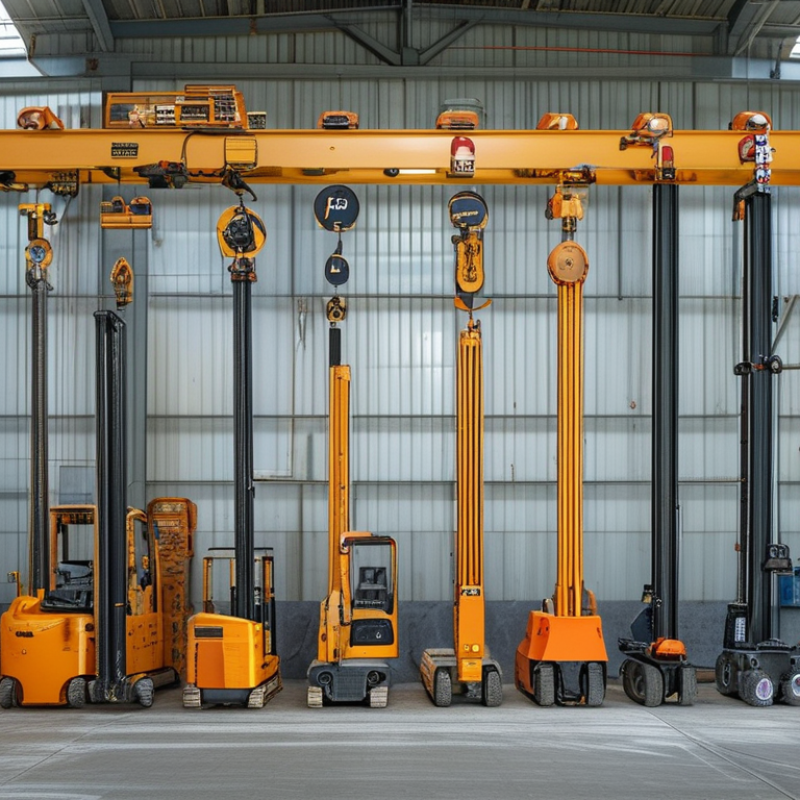
Standard electric hoists are vital tools in various industries. They are designed to lift heavy loads efficiently. These hoists are commonly used in construction, manufacturing, and warehouse operations. The ease of use and the ability to handle substantial weight make them popular. In many cases, they can lift materials to significant heights, which enhances productivity.
The maximum lifting height of a standard electric hoist varies depending on its design. Most models can lift anywhere from 10 to 30 feet. However, some specialized units can go much higher. The lifting height is crucial for operations. It determines how much vertical space a hoist can utilize. Users must consider their specific needs when selecting a hoist. Not every hoist is suitable for every application.
Understanding the design and capabilities of electric hoists is essential. Each hoist type has its own set of specifications. If used improperly, it can lead to accidents. Safety training is important when operating these machines. Awareness of their limitations can prevent mishaps. Users should regularly review their equipment's performance. Regular checks help identify potential issues early.
When selecting an electric hoist, understanding its lifting height is crucial. Electric hoists come in various types, each designed for specific lifting tasks. Generally, standard electric hoists offer lifting heights ranging from 10 to 20 feet. Some advanced models can reach up to 30 feet or more, depending on their construction and capability. According to industry reports, the average lifting height for construction applications is around 15 feet.
Different electric hoists serve different purposes. For example, portable hoists are suitable for a maximum height of 10 feet. Heavy-duty electric hoists often achieve 20 to 25 feet in industrial settings. It’s vital to assess the specific needs of your lifting applications. Overestimating the required height may lead to inefficient operations.
Tips: Always consult the manufacturer's specifications for accurate height capabilities. Regularly inspect the hoist for wear and tear, especially if operating near its maximum height. Understanding load limits in conjunction with lifting height can prevent accidents.
When considering the maximum lifting height for standard electric hoists, various factors come into play. One critical aspect is the design and capacity of the hoist itself. Each model has specific parameters that determine how high it can lift loads safely. Materials and construction choices directly influence these limits. For instance, hoists made from lightweight alloys may lift higher but can compromise strength.
Moreover, environmental conditions significantly impact lifting capabilities. For example, a hoist operating in extreme temperatures may not reach its maximum height consistently. The power supply is another factor; voltage fluctuations can affect performance and, subsequently, lifting height. Operators must consider the weight of the load, too. A heavier load can lead to increased strain on the hoist, possibly reducing its effective lifting height.
It is also important to reflect on safety features. Some hoists include safety stops that prevent lifting beyond a certain height. These systems protect against potential accidents. Users must regularly inspect their electric hoists to ensure they perform optimally. Recognizing these influences can lead to better decision-making. Ultimately, understanding these elements allows for more effective and safe use of electric hoists.
When considering the maximum lifting height for standard electric hoists, safety regulations are paramount. According to the Occupational Safety and Health Administration (OSHA), equipment must adhere to specific height limitations to prevent accidents. Most standard electric hoists have a lifting height range between 10 to 30 feet. However, exceeding this range poses potential hazards, leading to equipment failure.
Different industries have varying regulations. The American National Standards Institute (ANSI) has established guidelines for hoist operations. They emphasize the importance of regular inspections to ensure compliance with safety standards. A report from the National Institute for Occupational Safety and Health (NIOSH) indicates that proper maintenance can significantly reduce accidents related to lifting operations.
In practice, operators must be well-trained. Moreover, operators must assess their work environment. Factors like load weight and hoist stability affect safety. Several case studies suggest that lack of awareness in these areas leads to preventable incidents. Operators must reflect on practices regularly to mitigate risks effectively. Understanding lifting heights and adhering to safety regulations are critical for safe lifting operations.
When evaluating electric hoists, lifting height is a crucial factor. Different models exhibit varying capacities. Typically, standard electric hoists lift between 10 to 100 feet. The choice often depends on the intended use. A construction site may require higher lifting capabilities compared to a warehouse setup.
Many professionals overlook the importance of lifting height. This often leads to inefficiencies in operations. Electric hoists with limited height may result in repeated handling, causing delays. Conversely, choosing a model with excessive capacity can lead to unnecessary costs and complexity. It's vital to assess the specific requirements before making a purchase.
In practical applications, consider the load specifics and environmental factors. Not all hoists perform well under the same conditions. Some may struggle with stability at greater heights or when lifting heavier loads. Proper training and understanding of each hoist's limits can mitigate risks. Attention to these details can significantly enhance safety and efficiency in any lifting operation.
| Hoist Type | Maximum Lifting Height (meters) | Load Capacity (kg) | Power Supply (V) | Weight (kg) |
|---|---|---|---|---|
| Standard Electric Hoist A | 20 | 1000 | 220 | 50 |
| Standard Electric Hoist B | 15 | 800 | 220 | 45 |
| Standard Electric Hoist C | 25 | 1200 | 380 | 65 |
| Standard Electric Hoist D | 30 | 2000 | 380 | 75 |
: Standard electric hoists typically lift between 10 and 20 feet. Some can reach heights over 30 feet.
It is crucial for selecting the right hoist for the task. Misestimating height may lead to inefficient operations.
Portable hoists usually offer a maximum height of 10 feet for safety and usability.
Load weight and hoist stability are key factors. These can significantly affect safety and efficiency.
Regulations like those from OSHA require adherence to specific height limitations to prevent accidents and equipment failure.
Regular inspections and maintenance are essential. Awareness of the work environment also plays a significant role.
Operators should regularly assess their practices. Understanding lifting heights and safety regulations is vital for safe operations.
Some operators overestimate the lifting height needed, risking inefficiency and possible incidents.
Yes, various industries follow regulations established by organizations like ANSI to ensure safe hoist operations.
Proper maintenance helps ensure equipment reliability and prevents unexpected failures during operations.
This article explores the question, "What is the maximum lifting height for a standard electric hoist?" It begins by defining standard electric hoists and discussing their common applications in various industries. The article outlines typical lifting heights associated with different types of electric hoists, emphasizing that these heights can vary significantly based on the hoist design and intended use.
Additionally, the text delves into critical factors affecting the maximum lifting height, such as load capacity, hoist mechanism, and installation environment. It also highlights relevant safety regulations and standards that must be adhered to when operating electric hoists to ensure safe lifting practices. Finally, a comparative analysis is provided, evaluating different electric hoists based on their lifting height capacities, offering insights into the best options for specific lifting tasks.

Pak Lift