How to Meet OSHA Requirements for Lifting Hardware?

Time:2026-06-19 Author:Madeline
0%

Meeting OSHA requirements for lifting hardware is crucial for workplace safety. The Occupational Safety and Health Administration (OSHA) sets specific guidelines that companies must follow. But what are the OSHA requirements for lifting hardware? Understanding these regulations is vital for compliance and worker protection.

Proper lifting equipment ensures safety and efficiency. Yet, many organizations overlook necessary training and regular inspections. This can lead to dangerous situations. Businesses must recognize that lifting hardware is not just a tool; it is a key component of their safety strategy. Regularly reviewing equipment helps identify potential failures before they occur.

Employers must also engage employees in safety practices. Workers should be trained to use lifting hardware correctly. This enhances their safety awareness and reduces accidents. While following OSHA guidelines can seem daunting, they are essential in promoting a safe working environment. Hence, a proactive approach can lead to reliable lifting practices that protect both workers and assets.
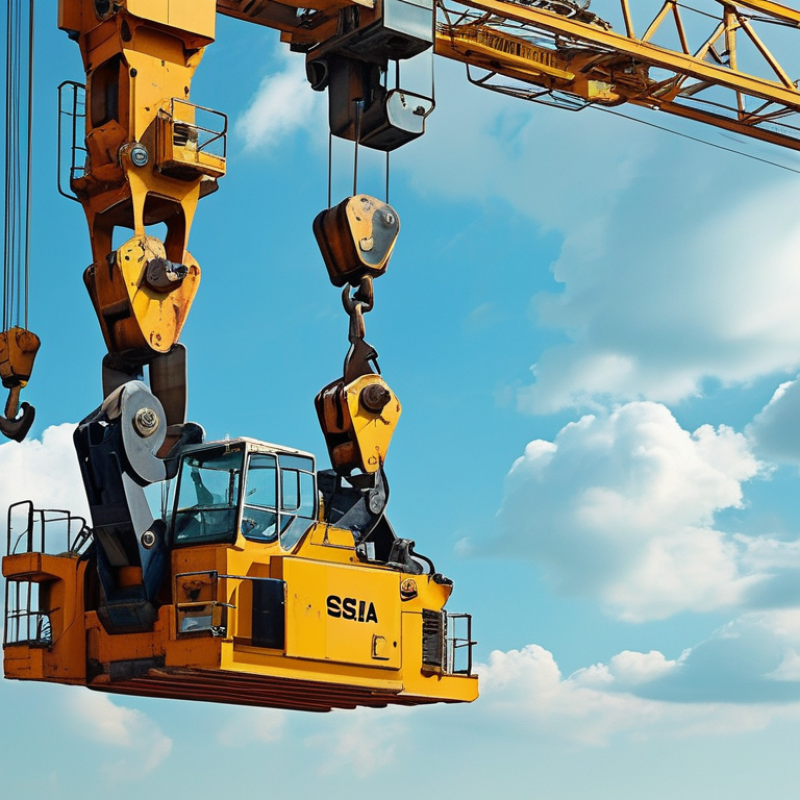
How to Meet OSHA Requirements for Lifting Hardware?

Understanding OSHA Lifting Hardware Regulations and Standards

Understanding OSHA lifting hardware regulations is essential for workplace safety. The Occupational Safety and Health Administration (OSHA) sets the standards for lifting equipment used in various industries. Compliance with these standards is not just about following rules. It can protect workers from serious injuries caused by improper lifting practices.

One key regulation involves weight limits. Each piece of lifting hardware must have a rated capacity. Exceeding this capacity can lead to equipment failure. Regular inspections are crucial. They help identify wear and tear that may not be immediately visible. Documenting inspections adds accountability and reliability.

Training is also vital. Workers must understand how to use lifting equipment correctly. They should know the potential hazards. Companies sometimes overlook the importance of training. Don't assume that all workers are knowledgeable. Continuous education encourages safety awareness. Regularly refreshing training can reduce accidents and improve overall safety culture.

Identifying Types of Lifting Hardware and Their Applications

Lifting hardware is essential in various industries, from construction to manufacturing. Understanding the types of lifting hardware helps ensure compliance with OSHA regulations. Common types include slings, shackles, and hoists. Each type has specific applications and requirements.


Sling types vary, including wire rope, synthetic, and chain. Wire rope slings excel in heavy-load scenarios, while synthetic slings offer lightness and flexibility. Hoists are crucial for vertical lifting, available in manual or electric options. Safety considerations, such as weight limits and conditions, dictate the selection of lifting hardware.


Identifying the right hardware can be challenging. Users must assess load capacities and environmental impacts. Equipment failure leads to hazardous situations, prompting better inspections and training. Miscalculations can occur even with experience, necessitating ongoing education. Awareness of the specific applications and limitations of each lifting device ensures not only compliance but also safety in lifting operations.

Evaluating Safety Factors in Lifting Hardware Selection

When selecting lifting hardware, evaluating safety factors is crucial. It's not just about choosing a strong product; it's about understanding the weight, environment, and usage frequency. Lifting equipment must meet specific OSHA requirements to ensure safe operations. Assessing factors like load capacity and tensile strength helps identify the right hardware.

Consider the working environment. Wet or corrosive conditions affect hardware reliability. By understanding the risks, one can make better decisions. For example, using the wrong hardware in a damp area can lead to equipment failure. It’s essential to regularly inspect lifting devices to ensure they are still fit for purpose.

Documentation is often overlooked but is necessary. Maintain records of inspections and certifications for every piece of lifting gear. This transparency helps build a culture of safety within the workplace. Reflecting on past incidents and improving procedures is vital. Safety is an ongoing process that requires continuous evaluation and adaptability.

OSHA Compliance for Lifting Hardware

This chart illustrates key evaluation metrics for selecting lifting hardware in accordance with OSHA requirements. The data includes load capacity, safety factor, weight, and cost, providing insights into the critical aspects of compliance and safety in lifting operations.

Implementing Inspection and Maintenance Procedures for Compliance

Implementing effective inspection and maintenance procedures is crucial for meeting OSHA requirements for lifting hardware. Regular inspections help identify wear and tear. You must check hooks, slings, and shackles routinely. If you find signs of damage, take them out of service immediately. Document these inspections carefully. This creates a reliable log that shows you’re following safety regulations.

Maintenance should include periodic testing of hardware. This testing helps ensure that all lifting equipment meets necessary load capacities. It’s essential to train staff on proper inspection techniques. Without proper training, even the best equipment can fail. You should encourage employees to report any issues they notice. Create an environment where safety is a shared responsibility.

Many companies overlook maintenance schedules. They may think equipment looks fine without proper checks. This mindset can lead to accidents and injuries. A proactive approach is always better. Invest time in maintaining lifting hardware. It can safeguard your team and enhance compliance with OSHA standards.

How to Meet OSHA Requirements for Lifting Hardware? - Implementing Inspection and Maintenance Procedures for Compliance

Inspection Date Lifting Hardware Type Condition Maintenance Required Next Inspection Date
2023-01-15 Chain Hoist Good None 2024-01-15
2023-02-28 Wire Rope Sling Worn Replace 2023-05-30
2023-03-20 Lifting Beam Fair Inspection Needed 2023-09-20
2023-04-05 Forklift Hook Good None 2024-04-05

Training Employees on Safe Use of Lifting Hardware per OSHA Guidelines

Training employees on the safe use of lifting hardware is critical for workplace safety. Understanding OSHA guidelines is essential. These guidelines provide a framework for safe lifting practices. Employees should receive hands-on training to comprehend equipment limitations and proper handling techniques. It is not enough to just review manuals; practical demonstrations enhance understanding.


Interactive training sessions can be very effective. Role-playing scenarios help employees apply what they learn. Encourage workers to discuss potential hazards they face daily. This reflection fosters a safety culture and helps identify gaps in training. Real-life examples from the industry can illustrate the consequences of improper lifting techniques.


Regular refresher courses are also crucial. Safety standards can evolve, and so should training initiatives. Employees may become complacent over time. Scheduling periodic evaluations can help reinforce knowledge and skills. Always welcome feedback to improve training sessions. Training should not be a one-time event; it needs ongoing commitment.

FAQS

: What are common types of lifting hardware?

: Common types include slings, shackles, and hoists, each with specific applications.

How do wire rope and synthetic slings differ?

Wire rope slings are strong and suited for heavy loads, while synthetic slings are lightweight and flexible.

Why is safety important in lifting hardware selection?

Safety ensures compliance with regulations and prevents accidents during lifting operations.

What factors must be evaluated when selecting lifting hardware?

Consider load capacity, environment, weight, and usage frequency to ensure safe operations.

How do environmental conditions affect lifting hardware?

Wet or corrosive environments can compromise hardware reliability and lead to failure.

What should be done to ensure lifting devices remain safe?

Regular inspections and maintenance are essential for continued safety and reliability.

Why is documentation important for lifting hardware?

Keeping records of inspections and certifications promotes safety and accountability in the workplace.

What is a common pitfall in lifting operations?

Miscalculations can occur even with experience, which is why ongoing education is needed.

How can a workplace culture of safety be developed?

Transparency and reflecting on past incidents help improve procedures and decision-making.

What happens if the wrong hardware is used?

Using inappropriate hardware can lead to failures and create hazardous situations.

Conclusion

Meeting OSHA requirements for lifting hardware is essential for ensuring workplace safety and compliance. The first step involves understanding OSHA's regulations and standards related to lifting equipment, which are designed to protect workers from hazards. Organizations must identify different types of lifting hardware, such as slings, hooks, and hoists, and understand their specific applications.

Next, evaluating safety factors during the selection of lifting hardware is crucial. This includes assessing load capacities and environmental conditions. Implementing regular inspection and maintenance procedures will help ensure that all equipment remains compliant and safe to use. Finally, training employees on the safe use of lifting hardware according to OSHA guidelines is vital for minimizing risks and enhancing safety awareness on the job site. By addressing these key areas, companies can effectively meet OSHA requirements for lifting hardware and foster a culture of safety.

Madeline

Madeline

Madeline is a dedicated marketing professional with a wealth of expertise in our company's core offerings. With a keen understanding of the industry, she brings a unique perspective to her role, consistently delivering high-quality content that highlights the superior aspects of our products. As......