Heavy lifting in construction and industrial settings demands precision and safety. Understanding "Why do I need a spreader bar for heavy lifting" is crucial for effective load management. According to industry leaders, fall accidents caused by improper lifting techniques can increase costs by up to 30%. A spreader bar helps distribute weight evenly, minimizing stress on lifting equipment.
Expert Jacob Martinez, a certified lifting engineer, states, "Using a spreader bar enhances stability and reduces the risk of accidents during heavy lifts." His insights align with recent reports from the American Society of Mechanical Engineers, which highlight that properly using a spreader bar can decrease load swing by 50%. This is vital for preventing damage to equipment and ensuring worker safety.
Neglecting the need for a spreader bar can lead to serious operational setbacks. Inadequate load distribution may result in equipment failure, injuries, or even fatalities. Industries are now recognizing the significant benefits of implementing this simple yet effective tool. The risks of ignoring it cannot be understated, emphasizing the question: Why do I need a spreader bar for heavy lifting?
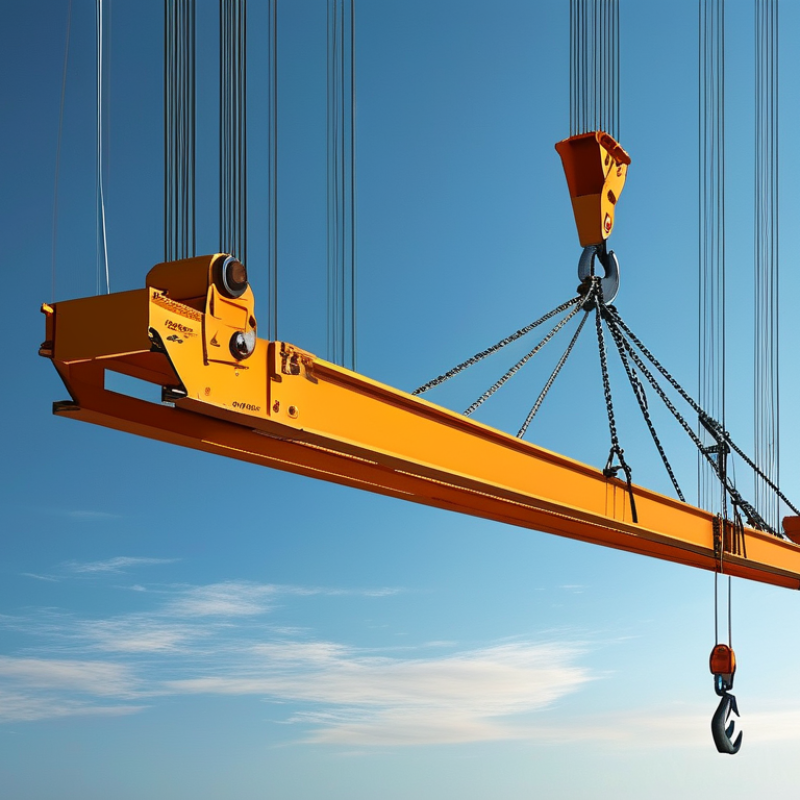
Understanding the functionality of a spreader bar in heavy lifting is crucial for optimizing safety and efficiency. A spreader bar serves as an essential tool that helps distribute the load evenly when lifting heavy objects. According to the International Institute of Welding, improper load distribution can increase the risk of accidents by up to 30%. This highlights the importance of using a spreader bar during critical lifts.
Spreader bars can accommodate various lifting scenarios. They help maintain the center of gravity, preventing the load from swaying or tipping. Studies from the Occupational Safety and Health Administration suggest that nearly 53% of crane accidents can be traced back to rigging failures. A spreader bar mitigates these risks by providing stability and reducing strain on lifting equipment.
Practical application shows the variability in usage. Some workers may forget to recalibrate their spreader bar for different loads. Failing to do so can lead to decreased effectiveness and even potential failures. Regular training and assessment of lifting techniques are essential. This ongoing education ensures that operators understand how to maximize the benefits of a spreader bar while minimizing risks in heavy lifting.
When lifting heavy loads, a spreader bar is crucial for achieving optimal load distribution. Research from the American National Standards Institute (ANSI) indicates that improper weight distribution can result in equipment failure or accidents. A spreader bar helps manage the stress on lifting points effectively. By distributing the load evenly, it can reduce the risk of excessive strain on any single point.
One study highlighted that using a spreader bar can increase lifting capacity by up to 25%. It allows for a broader lift angle, which minimizes the risk of tipping or swinging. This is particularly important in construction and rigging, where safety is paramount. A poorly executed lift can lead to serious injuries and costly downtime, underscoring the importance of proper equipment.
However, there is a tendency to overlook the need for a spreader bar in certain scenarios. Some workers may rely on traditional lifting methods, thinking they're sufficient. This mindset can lead to issues such as uneven load distribution or catastrophic failures. Obtaining proper training on using spreader bars is essential to preventing accidents and ensuring efficient operations.
When considering heavy lifting, a spreader bar is often essential. Its primary function is to evenly distribute the load. This reduces the risk of equipment failure. A spreader bar ensures safety during lifting tasks. Weight capacity is vital. Each bar must be rated for the specific load it will carry.
Industry standards dictate that spreader bars must meet strict guidelines. These include factors like material strength and design. Steel is commonly used due to its durability. However, not all steel is created equal. The bar should be assessed for its tensile strength. Load limits must be clearly marked and adhered to. Regular inspections are also crucial. Any signs of wear can compromise safety.
In practice, many operators overlook these standards. A quick inspection may lead to an assumption of safety. Relying on the visual condition alone can be risky. Proper training and adherence to industry guidelines are necessary. The consequences of neglecting these recommendations can be severe. Understanding load capacity is not just for compliance; it is a life-saving measure.
Spreader bars are essential tools in heavy lifting applications. They provide stability and distribute weight evenly across multiple points. This minimizes the risk of load shifting or accidents during lifting. Industry data shows that improper lifting techniques cause 63% of workplace injuries. Using a spreader bar can significantly reduce these incidents.
Common types of spreader bars include fixed, adjustable, and rotating bars. Fixed spreader bars are best for specific, repetitive tasks, while adjustable bars offer flexibility for various loads. Rotating spreader bars allow for easy maneuverability, essential in tight spaces. According to the American Society of Civil Engineers, using appropriate lifting equipment can lead to a 50% decrease in accidents associated with heavy lifting.
Tips: Always check the weight limit of your spreader bar. Ensure it matches the total load weight. Proper inspection before each use is crucial. It’s better to take a moment to check than to face the consequences of a failure. Make sure to train your team on the correct usage of spreader bars. This investment in safety can pay off significantly. Lastly, consider the attachment points on your loads to ensure even weight distribution.
Using a spreader bar can significantly enhance safety and efficiency in heavy lifting operations. Proper implementation is crucial. A spreader bar allows for better weight distribution, reducing the risk of load tilting or swinging. This is particularly important in construction or industrial settings where heavy machinery is involved. By using a spreader bar, lifting teams can maintain more control over their loads.
One best practice is to always choose the right spreader bar for your specific lift. The weight capacity and length should match the load requirements. Inspect the equipment for any signs of wear or damage before use. It’s common to overlook this step, but even minor defects can lead to accidents. Also, ensure that rigging connections are correctly secured. Improper connections can lead to unexpected failures.
Team communication is another critical element. Everyone involved in the lifting process should be aware of their roles. Establish signals or verbal cues for coordination. Sometimes, miscommunication happens, leading to dangerous situations. Finally, regular training can improve the team's skills and knowledge. Mistakes may happen, but learning from them is vital. Creating a culture of safety promotes better lifting practices.
: A spreader bar distributes heavy loads evenly, reducing the risk of accidents.
It can increase lifting capacity by up to 25% with a broader lift angle.
Improper load distribution can cause equipment failure and accidents.
Steel is often used due to its strength and durability.
Load limits must be clearly marked for safety.
Some rely on quick visual checks, which are not always sufficient.
Assuming traditional lifting methods are adequate can lead to serious issues.
Regular inspections are crucial to identify signs of wear.
Yes, proper training helps prevent accidents and ensures safe operations.
Neglecting guidelines can lead to severe accidents and injuries.
A spreader bar is an essential tool in heavy lifting operations, designed to evenly distribute the weight of large loads and enhance safety during lifting. Understanding the functionality of a spreader bar clarifies its importance; by preventing load tipping and reducing stress on lifting points, it facilitates a more stable and controlled lifting process. The key benefits include improved load distribution and increased safety, adhering to industry standards for load capacity.
"Why do I need a spreader bar for heavy lifting" often stems from the need to comply with safety regulations and best practices in the industry. Common types of spreader bars vary based on lifting needs, such as adjustable designs for versatility. Implementing best practices involves careful planning and regular inspection of the spreader bars to ensure they meet safety and load requirements, ultimately leading to efficient and safe lifting operations.

Pak Lift