Lifting hardware can look simple: a chain sling, a shackle, and a hook supporting a suspended load. Yet one damaged link or an unreadable capacity tag can change a routine lift into a serious hazard. What are the OSHA requirements for lifting hardware? The answer depends on the equipment, workplace, and task. OSHA’s general-industry sling rule, 29 CFR 1910.184, requires inspections before use and removal of defective slings. In construction, 29 CFR 1926.251 requires rigging equipment to be inspected before use on each shift and as needed during use. Small parts matter.
The stakes extend beyond compliance. The U.S. Bureau of Labor Statistics reported 5,283 fatal work injuries across all industries in 2023, including 1,075 in construction. These figures are not specific to lifting hardware, but they show why careful lift planning deserves attention. OSHA rules also address rated capacities, safe use, and equipment condition; requirements vary by hardware type and application. A practical review should connect each rule to what workers can verify on the floor: legible identification, visible wear, secure connections, and a load within the marked limit. OSHA’s standards are the authoritative baseline, while company procedures and manufacturer instructions may add necessary detail. And a checklist alone is not enough. Real equipment can be awkward to inspect, especially when labels are worn or components are mixed. That gap deserves honest attention.
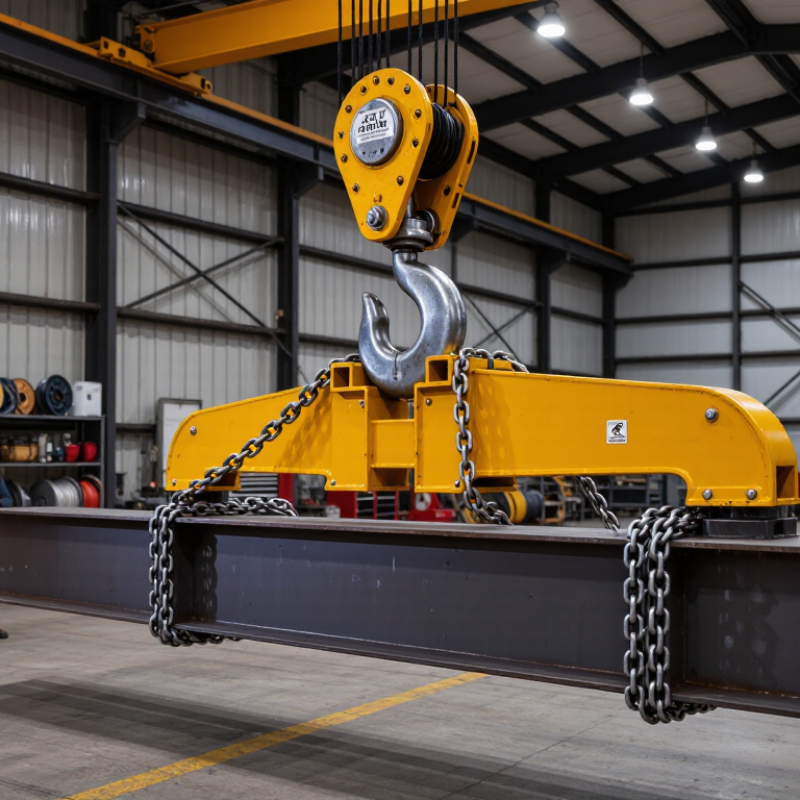
OSHA Standards That Apply to Lifting Hardware
OSHA requirements depend on the work setting. General industry sling rules appear in 29 CFR 1910.184; construction rigging rules are in 29 CFR 1926.251. Under the general-industry rule, slings and their attachments must be inspected by a designated competent person before each day’s use. Defective equipment must be removed from service. Rated capacities must also be marked, and loads must stay within those limits. For construction, rigging equipment needs inspection before each shift and as needed during use. Check the hardware, not just the paperwork. A worn hook latch or a cut sling can be easy to miss.
The U.S. Bureau of Labor Statistics recorded 5,283 fatal work injuries across all industries in 2023; this figure is not specific to lifting or rigging. It is a reminder that safe handling depends on more than having a written procedure. Before a lift, workers should confirm the load weight, sling configuration, attachment points, and equipment markings. Keep hands clear of pinch points as tension comes onto the rigging. Small details matter. A tag may look current while the hardware has changed since its last inspection, so records should support—not replace—a hands-on check.
Choosing lifting hardware starts with the load, not the catalog photo. Confirm the load’s weight, including any contents, attachments, and rigging. Then select hardware with a rated capacity that suits the actual lift. Never treat a safety factor as extra working capacity. The component’s marked rating and manufacturer’s instructions matter.
Fit matters too. A shackle, hook, or eye bolt must connect properly to the sling and load. Check dimensions, connection angles, and the direction of force. Side loading can reduce capacity or create damage. For awkward loads, consult a qualified person before choosing a setup. It may feel slower, but guessing can be costly.
Consider the environment and task. Outdoor lifts may expose hardware to moisture, grit, or temperature changes. Repeated use calls for routine inspection, clear identification, and removal of damaged equipment. OSHA requirements and applicable workplace procedures should guide inspection and use. A rating alone is not the whole story. I’ve seen good equipment used poorly because nobody checked how the load would shift. That detail deserves a second look.
How to read this chart: For an ideal, symmetric two-leg lift of a 1,000 lb load, each leg’s tension rises as the sling angle from horizontal decreases. At 30°, each leg carries about 1,000 lb; at 90°, each carries 500 lb. These values are theoretical and assume equal load sharing, with no allowance for dynamic forces or other rigging factors.
Select slings and hardware based on the load, hitch, sling angle, and manufacturer’s rated-capacity information. Do not exceed rated capacity; follow applicable OSHA requirements, including 29 CFR 1910.184, and the manufacturer’s instructions.
Lifting hardware can look sound while hiding cracks, stretched links, or damaged threads. Inspect hooks, shackles, and slings before use, following the applicable OSHA requirements and the manufacturer’s instructions. Check identification tags, safety latches, pins, and load markings. Look closely. Dirt and grease can conceal damage.
Set aside equipment with visible cracks, bends, severe wear, heat damage, missing identification, or other defects that may affect safe use. A bent hook is not “close enough.” Tag it clearly and move it away from usable gear so nobody can grab it by mistake. Do not straighten, weld, or modify defective hardware unless an authorized repair process permits it. When in doubt, ask a qualified person to assess its condition.
Maintenance matters between inspections, too. Keep hardware clean and dry, and store it where it will not be crushed, dragged, or exposed to damaging chemicals. Follow the required inspection schedule for the specific equipment and its service conditions; record inspections when applicable. An inspection is not magic. Fatigue and damage can be easy to miss, especially during a rushed shift, so pause and look again when something feels wrong. A brief delay is better than lifting with questionable gear.
Before a lift, match each sling, shackle, hook, and hoist to the load and the hitch configuration. A component’s rated capacity can change with the way it is used. OSHA’s construction standard, 29 CFR 1926.251, requires rigging equipment inspection before each shift and during use as needed. Remove defective gear from service. Small details matter. Check for bent hooks, damaged wire rope, unreadable tags, and worn sling stitching. Confirm the load’s weight and center of gravity, then keep the hook above the balance point. If the load tilts during a test lift, lower it and adjust the rigging. Don’t steady it by hand while it is suspended.
Keep workers clear of the load’s path, and never allow anyone to stand beneath a suspended load. Use tag lines when they help control rotation, but keep hands away from pinch points and avoid wrapping lines around the body. BLS reported 1,075 fatal work injuries in construction in 2023 in its Census of Fatal Occupational Injuries. That figure covers all construction hazards, not rigging alone, but it underlines why lift zones and clear signals deserve attention.
Stop and reset. Even a careful plan can miss a shifting load or a poor sling angle; crews should question the setup before the lift, not after it moves.
Workers handling slings, shackles, and lifting points need practical instruction, not just a signed attendance sheet. OSHA’s general industry sling standard, 29 CFR 1910.184, requires employers to ensure sling users are trained in proper use and maintenance. Training should cover load limits, sling angles, visible damage, and how to keep hands clear as a load tightens. Use the actual hardware on site. A classroom photo cannot show how a bent shackle pin feels during inspection.
Keep records that identify the worker, date, trainer, equipment covered, and any skills check. Add refresher training when hardware, tasks, or work conditions change. OSHA requires daily sling inspection by a competent person before use, with defective slings removed from service. A brief inspection log can note the sling ID, condition, and corrective action. Still, paperwork can lie. A completed form does not prove someone can spot damaged stitching or a cracked link.
Training also has a business case. The National Safety Council’s Injury Facts report estimated that work injuries cost the United States $176.5 billion in 2023. That figure covers many injury types, not lifting hardware alone, but it shows why prevention deserves time. Have workers demonstrate checks with gloves on, beside the lift area. Ask them to explain a stop-work decision. Then review whether the lesson stuck. People forget. Records help reveal where retraining may be needed.
| Safety topic | Relevant OSHA standard | Key requirement | Training and documentation |
|---|---|---|---|
| Know the applicable work setting | 29 CFR 1910 (general industry); 29 CFR 1926 (construction) | Requirements depend on the equipment, task, and work setting. Construction crane rules do not automatically apply to every industrial lifting task. | Identify the applicable standards in site procedures. Keep procedures specific to the equipment and job rather than treating one checklist as suitable for every lift. |
| Train workers on hazards and safe use | 29 CFR 1910.179; 29 CFR 1910.184; 29 CFR 1926.251, as applicable | Workers must be able to use the lifting equipment safely and recognize hazards such as overload, damaged hardware, unstable loads, and pinch points. Applicable crane rules also restrict operation to appropriately designated or qualified personnel. | Cover equipment limits, inspection, rigging selection, load control, communication, and stop-work conditions. Record the worker, date, topics, equipment or task covered, and any required qualification or evaluation. |
| Observe rated capacities | 29 CFR 1910.179; 29 CFR 1910.184; 29 CFR 1926.251 | Do not load cranes, slings, or rigging equipment beyond their applicable rated capacity. Construction rigging equipment must be used within its recommended safe working load. | Train workers to locate and interpret capacity information and to account for the lift configuration. Keep load plans or calculations when the job requires them; do not rely on an assumed capacity. |
| Inspect slings and rigging hardware | 29 CFR 1910.184; 29 CFR 1926.251 | Slings must be inspected as required by the applicable standard and removed from service when damaged or defective. In construction, rigging equipment for material handling must be inspected before use on each shift and as necessary during use; defective equipment must be removed from service. | Teach workers to check identification and capacity markings and look for damage, deformation, wear, and other defects. Record inspection findings and removal from service as a sound safety practice; specific recordkeeping requirements vary by equipment and standard. |
| Maintain overhead and gantry cranes | 29 CFR 1910.179 | Cranes require frequent and periodic inspections. The required inspection intervals depend on the type of inspection and the crane’s service conditions. Rated load markings must be provided, and rated loads must not be exceeded. | Use a maintenance and inspection schedule suited to the crane and applicable rule. Document dates, findings, repairs, and return-to-service decisions as part of the safety program; follow any recordkeeping requirement that applies to the specific equipment. |
| Qualify construction crane operators and signal persons | 29 CFR 1926.1427; 29 CFR 1926.1428 | When these construction crane provisions apply, operators must meet the applicable qualification or certification requirements, and signal persons must be qualified when a signal person is required. | Maintain the documentation required by the applicable qualification provisions, including evidence of operator qualification and signal-person qualification where required. Verify credentials and task-specific knowledge before assigning the work. |
| Keep procedures and records useful | Applicable OSHA standards and employer safety procedures | OSHA recordkeeping requirements are specific to the standard and equipment; there is not one universal OSHA form or record-retention rule for every lifting-hardware inspection or training session. | Use clear procedures that identify responsibilities, inspection steps, defect reporting, equipment isolation, and approval for return to service. Keep records required by the applicable rule and retain additional training and inspection records according to company policy. |
Note: OSHA requirements vary with the equipment and work activity. Consult the applicable standard and site-specific procedures before performing a lift.
Check hooks, shackles, and slings for cracks, bends, stretched links, and damaged threads. Look at tags, latches, pins, and load markings. Dirt can hide damage.
Set aside gear with visible cracks, bends, severe wear, heat damage, or missing identification. Tag it clearly and keep it away from usable equipment.
Do not straighten, weld, or modify defective hardware unless an authorized repair process allows it. Ask a qualified person if its condition is unclear.
Keep it clean and dry. Store it where it cannot be crushed or dragged, and away from damaging chemicals.
A competent person should inspect slings daily before use. Follow the schedule required for the equipment and its working conditions.
Show workers how to check load limits, sling angles, and visible damage. Practice with the actual hardware and gloves on. Photos are not enough.
Record the worker, date, trainer, equipment covered, and any skills check. An inspection log can note the sling ID, condition, and corrective action.
No. Paperwork cannot show every crack or damaged stitch. People can miss things, even when they mean well; review skills and retrain when needed.
This article explains how workplace safety standards apply to lifting hardware and why equipment must be suitable for the task. What are the OSHA requirements for lifting hardware? In practice, employers should select rigging components according to their rated capacity, the weight and configuration of the load, and the conditions in which the equipment will be used. Hardware should be compatible with the lifting setup, and loads should never exceed the limits identified for the equipment.
Safe lifting also depends on regular inspection, proper maintenance, and prompt removal of defective or damaged components from service. Workers should secure and balance loads, keep clear of suspended loads, and avoid unsafe lifting practices. Clear procedures and effective training help employees recognize hazards and use equipment correctly. Documenting inspections, maintenance, and training supports consistent safety practices and helps workplaces identify issues before they lead to an incident.

Pak Lift