As industries evolve, crane systems face pressing demands for upgrades. Understanding "How to upgrade an old crane system with modern controls" is essential for improving safety and efficiency. Experts like John Smith, a veteran in crane engineering, emphasize the importance of modernization. He states, “Upgrading controls not only enhances performance but also extends the life of the equipment.”
Many companies face challenges during this transformation. Existing systems may be outdated, causing frequent downtimes. Outdated controls can lead to inaccurate load handling, risking both safety and productivity. Implementing modern controls could mitigate these risks significantly.
Upgrading is not merely a technical exercise; it is also a strategic investment. Businesses must assess their current systems and identify key areas for improvement. While the process may seem daunting, the benefits often outweigh the initial hesitation. Embracing modern controls ultimately leads to a safer and more efficient work environment.
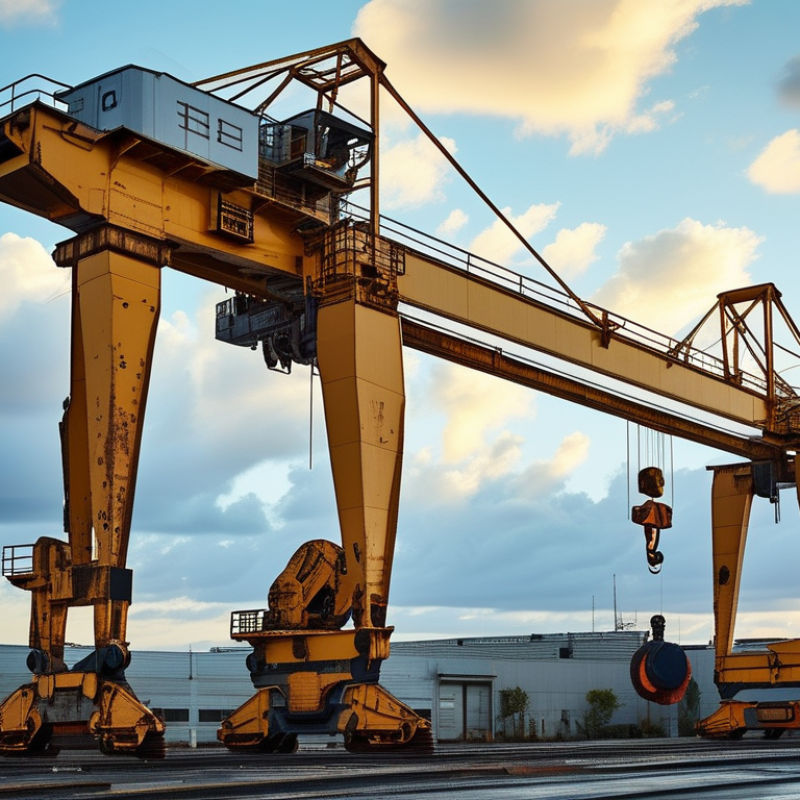
Upgrading your old crane system to modern controls brings numerous benefits. These advanced controls enhance safety, reduce downtime, and improve overall efficiency. Operators can manage loads with greater precision. This reduces the risk of accidents. Enhanced safety features prevent failures that could lead to costly injuries.
Modern controls offer better integration with other systems. This allows for smoother operations across your facility. Users report a noticeable increase in productivity. The ease of use is another key factor. Operators require less training to adapt to new systems. This saves time and resources.
However, upgrading is not without challenges. The initial investment can be significant. Organizations must weigh immediate costs against long-term gains. Ongoing maintenance is essential for optimal performance. It’s important to regularly review and update systems to keep pace with technology changes. Balancing these aspects is crucial for a successful transition.
Upgrading your old crane system is vital. Modern controls significantly enhance safety features. Enhanced safety is not just a trend; it's a necessity. New technology reduces human error, increases precision, and minimizes risks. For instance, sensors can detect overload situations and automatically shut down operations.
Tip: Regular training on modern controls for operators ensures everyone is familiar with the latest safety features. Understanding equipment is critical to preventing accidents.
Modern cranes often come with advanced monitoring systems. These systems provide real-time data about load conditions and system performance. Operators can quickly react to any abnormalities. The result? A safer working environment.
Tip: Conduct routine maintenance checks. Keeping systems updated reduces the risk of malfunction. Even minor issues, if ignored, can lead to major safety hazards.
Incorporating modern safety features is an investment in your workforce’s well-being. The complexity of today’s operations requires reliable tools. We must always reflect on whether our current systems meet all safety standards.
| Feature | Old Crane Systems | Modern Crane Systems |
|---|---|---|
| Load Monitoring | Basic load limit switches | Real-time load monitoring with alerts |
| Operator Training | Limited training resources | Interactive and comprehensive training modules |
| Safety Features | Manual safety checks | Automated safety systems with redundancy |
| Control System | Mechanical controls | Digital controls with precise feedback |
| Maintenance | Reactive maintenance practices | Predictive maintenance with analytics |
| Communication | Limited operator communication | Integrated communication systems for operators |
Upgrading your old crane system with modern controls can significantly enhance efficiency and productivity. New control systems offer improved operation speed. They help workers save time during loading and unloading. Enhanced precision in movements reduces errors. This can lead to fewer accidents and damage to materials.
Modern controls often come with user-friendly interfaces. This simplifies training and reduces the learning curve for operators. However, transitioning to new systems can be challenging. Technical difficulties during installation may occur. It's essential to plan thoroughly and train staff effectively.
The integration of smart technology provides insightful data. Performance tracking can identify bottlenecks in operations. Yet, relying too heavily on technology can have pitfalls. Workers might become overly dependent on automated systems. Balancing human skills with automated solutions is crucial for optimal outcomes.
This chart illustrates the improvement in operational efficiency and productivity after upgrading crane systems with modern controls. As seen, the operational efficiency increased from 65% to 90%, while productivity surged from 45 units per hour to 75 units per hour, showcasing the significant advantages of modern control systems.
Upgrading your old crane system with modern controls brings notable cost considerations. Initially, the investment can appear substantial. However, statistical reports indicate that companies often see a return on investment within three years. This is thanks to reduced maintenance costs and improved efficiency. Older systems typically face frequent breakdowns, leading to unexpected expenses. Modern controls reduce these risks significantly.
Operational downtime costs the industry millions annually. According to the National Safety Council, downtime can exceed $22,000 per minute in some sectors. Modern systems enhance reliability, which translates to fewer delays. Their advanced technology reduces energy consumption by up to 30%, directly impacting the bottom line. In environments with high energy costs, these savings accumulate swiftly.
While the upfront cost may be daunting, long-term savings often outweigh this. Training employees on new systems is an added expense. Yet, well-implemented upgrades can lead to better safety and productivity. Safety enhancements minimize workplace accidents, ultimately leading to lower insurance rates. However, companies must reflect on the need for a tailored approach, as not all upgrades yield immediate benefits. It's essential to evaluate specific operational needs and existing infrastructure before proceeding.
Upgrading an old crane system with modern controls can significantly enhance its operational efficiency. Integrating automation and smart technologies into crane operations can lead to improved safety and productivity. According to recent industry reports, facilities that adopt smart technologies see operational efficiency rise by up to 30%. This transformation is not just about replacing outdated hardware; it’s about creating a fully connected system.
For effective integration, it is crucial to focus on real-time data monitoring. Having access to immediate feedback can help operators make informed decisions. Additionally, predictive maintenance powered by advanced analytics reduces downtime by up to 25%. This proactive approach helps in identifying potential issues before they escalate.
Tip: Start small. Implementing sensors in critical areas can provide valuable insights without overhauling the entire system at once. Make adjustments based on observed data. Stay open to iterative improvements, as full integration may reveal unexpected challenges. Each step taken toward modernization should reflect the unique needs of your operation.
: Upgrading enhances efficiency and productivity. Improved speed saves time during loading and unloading.
Enhanced precision reduces errors, leading to fewer accidents and damage to materials.
Technical difficulties may arise during installation. Thorough planning and effective staff training are essential.
It provides insightful data, helping identify operational bottlenecks and improving performance tracking.
Soaring initial costs seem daunting but often yield returns within three years through reduced maintenance.
Modern systems can cut energy consumption by up to 30%. This leads to significant savings over time.
Reliance on automated systems can create dependence. Maintaining operator skills ensures optimal outcomes.
Reflect on your operational needs. Not all upgrades yield immediate benefits; tailor them to fit your infrastructure.
Begin with small changes, like implementing sensors. This approach allows data-driven adjustments without full system overhauls.
Stay open to iterative improvements. Unexpected challenges may arise that require adjustments to initial plans.
Upgrading your old crane system with modern controls offers numerous benefits that can significantly enhance operational efficiency and safety. By implementing advanced control systems, users can enjoy improved safety features designed to minimize risks and errors during crane operations. These modern technologies not only streamline workflows but also boost productivity, enabling operators to complete tasks more efficiently.
When considering how to upgrade an old crane system with modern controls, it’s essential to evaluate the long-term savings against the initial investment. Although the upfront costs may be high, the return on investment through increased efficiency and reduced downtime makes it a financially sound decision. Additionally, these upgrades facilitate the integration with automation and smart technologies, positioning your operations for future advancements in the industrial landscape.

Pak Lift