Top 10 Ways to Fix a Stalling Electric Winch

Time:2026-11-13 Author:Charlotte
0%

A stalling electric winch rarely fails without warning. The drum may slow under load, the motor may click, or the power cables may feel unusually warm. These signs point to different causes, so guessing can waste time and damage equipment. Before testing anything, park securely, keep people clear of the cable, and follow the winch manufacturer’s manual. A loaded cable stores serious energy. Stop if the setup looks unsafe.

How to troubleshoot a stalling electric winch starts with simple checks: battery charge, clean and tight terminals, damaged cables, and a secure ground connection. Listen closely. A sharp click with no drum movement can suggest a weak power supply, poor connection, or solenoid fault. A motor that labors may indicate excessive load, binding, or overheating. Let the unit cool before further testing. Small details matter.

A useful shop-floor reminder from an experienced winch technician is: “Check the power path before condemning the motor.” This is a general diagnostic principle, not a verified quotation from a named expert. The steps below cover ten practical checks, from reducing the load and inspecting the wiring to testing the control switch and solenoid. They also explain when to stop troubleshooting and seek qualified service. Be patient; a rushed test can hide the real fault.
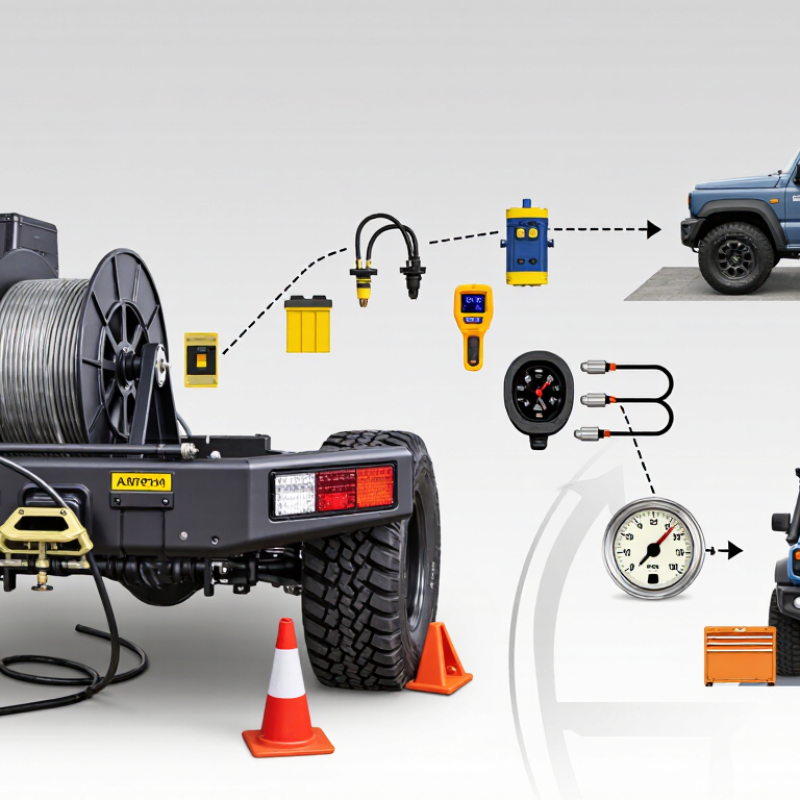
Top 10 Ways to Fix a Stalling Electric Winch

Recognizing the Signs and Causes of an Electric Winch Stalling

An electric winch that slows, jerks, or stops under load may be signaling a problem. Notice whether the motor sounds strained or goes quiet. A hot cable, dim dashboard lights, or a burning smell also deserves attention. Stop using the winch if you notice smoke, damaged wiring, or unusual heat.

Common causes include a weak battery, loose electrical connections, corroded terminals, or cables that are too small for the load. A tripped thermal protector can stop the motor after prolonged use. Mechanical binding or an excessive load may also cause stalling. The symptom alone does not identify the cause; check the winch manual and inspect the system with power disconnected. Keep hands clear of the cable and moving parts. Small details matter.

Tips: Let an overheated motor cool before testing it again. Check battery voltage and connections, then inspect the cable for fraying or kinks. Avoid repeated starts; they can worsen heat and electrical damage. If the cause remains unclear, have a qualified technician inspect the winch.

Checking the Battery, Wiring, and Electrical Connections

A winch that slows, clicks, or stops under load may have a weak battery rather than a faulty motor. Check the battery terminals for corrosion, movement, or cracked insulation. Measure voltage directly at the posts, then repeat while the winch is briefly loaded. A sharp drop suggests poor charge or reduced battery capacity. SAE J537 evaluates storage batteries through cold-cranking and reserve-capacity tests, showing why resting voltage alone cannot confirm a battery’s ability to perform under load. Use the battery maker’s specifications for test limits; temperature and battery type affect readings.

Inspect the positive cable and ground path from end to end. Look for loose lugs, greenish corrosion, flattened strands, or insulation that feels unusually warm after a short pull. Isolate power before tightening or cleaning connections. Then measure voltage drop across each cable while the winch operates, and compare results with the winch’s service specifications. IEEE Std 1188 emphasizes inspection and testing when assessing battery condition, though its scope is stationary valve-regulated batteries, not every winch setup. It is tempting to blame the motor too early; a hidden ground fault can imitate one. Don’t ignore that possibility.

Inspecting the Winch Motor, Solenoid, and Controller

A stalled winch can point to a weak motor, a failing solenoid, or a faulty controller. Start with the power isolated and the load removed. Check the battery connections, ground cable, and motor terminals for looseness, corrosion, or heat-darkened metal. Look closely. A small patch of melted insulation matters. If the terminals look sound but the motor smells burnt or feels unusually hot, stop testing and have it inspected; repeated attempts can worsen internal damage.

Listen to the solenoid when the control is pressed. A click without motor movement may indicate poor contacts, low supply voltage, or a motor fault, not one certain cause. Do not bridge terminals with a tool. A qualified technician can compare voltage at the solenoid input and output during a controlled test. A sharp voltage drop across the solenoid suggests worn contacts. No click may instead lead back to the controller, wiring, or supply.

Inspect the controller cable for cuts, crushed sections, and loose plugs. Check that connectors are dry and seated firmly, then test the switch according to its wiring diagram. If movement comes and goes as the cable bends, suspect a damaged conductor. It is tempting to blame the motor first. That guess can waste time. Record what clicks, heats up, or changes during each safe test.

Examining the Cable, Drum, and Mechanical Load

A stalled electric winch does not always have a motor problem. The cable, drum, or load may be creating excessive resistance. Stop operating the winch, disconnect its power, and secure the load before inspecting anything. Keep hands clear of the cable and drum.

Look for crushed strands, sharp kinks, or cable layers wedged against the drum flange. Damaged cable can bind under tension, even when it looks usable from a distance. Check that the cable winds evenly and has not crossed beneath another wrap. A messy spool matters. If the cable is badly frayed or distorted, do not keep testing it under load; follow the equipment instructions for replacement.

The drum should turn without scraping, rubbing, or visible wobble. Debris near the drum can interfere with winding, while a damaged brake or gear may need qualified service. Then consider the mechanical load: a snagged object, steep pull angle, or load beyond the winch’s rated capacity can make the motor slow or stop. Reduce the load only when it can be done safely, and align the pull as directly as practical. It is easy to blame the motor too quickly. If the cable and load appear clear but stalling continues, stop and arrange an inspection rather than forcing another pull.

Testing the Winch Safely After Troubleshooting

Before testing, park the vehicle or equipment on firm, level ground and set the brake. Keep the winch securely mounted, and check that its cable is seated evenly on the drum. Look for damaged strands, loose connections, or a hot motor. Let overheated parts cool before applying power. Keep everyone clear of the cable path and never guide the cable by hand while it moves. Stay clear. Operate the control from a safe position, preferably to the side of the cable, not directly in line with it.

Run the winch briefly with no load, using short pulls and pauses. Listen for uneven motor sounds, watch for slow movement, and stop if it stalls, smokes, or heats quickly. A smooth first pull is reassuring, but it does not prove the problem is gone. If the unloaded test is normal, try a small, controlled load attached to a stable, suitable anchor. Do not exceed the winch’s rated capacity, and keep people away from the load and cable. Check the connections and cable again afterward. If the winch falters, avoid repeated attempts; the cause may need a qualified technician’s inspection. I would not call a test successful based on sound alone.

Top 10 Ways to Fix a Stalling Electric Winch

Safe post-troubleshooting test sequence

Bars show checklist order only, not measured performance. Follow the winch manufacturer’s instructions and rated capacity. Keep people clear of the cable path, and disconnect power before inspecting or adjusting components.

FAQS

What are common signs that an electric winch is stalling?

It may slow down, jerk, or stop under load. Listen for a strained motor. Dim lights, unusual heat, or a burning smell are warning signs. Stop using it if you see smoke or damaged wiring.

What can cause a winch to stall?

Possible causes include a weak battery, loose or corroded connections, undersized cables, or an excessive load. Mechanical binding can also interfere. The symptom alone rarely identifies the cause.

What should I check before testing a stalled winch?

Isolate the power and remove the load. Inspect battery connections, ground cables, terminals, and the winch cable. Look for corrosion, fraying, kinks, or heat-darkened metal. Small details count.

What does a clicking sound without motor movement mean?

It may point to poor solenoid contacts, low voltage, or a motor fault. A click is a clue, not a diagnosis. Have a qualified technician check voltage during a controlled test.

What if the solenoid does not click?

The issue may involve the controller, wiring, or power supply. Check visible connections with power isolated. Do not bridge terminals with a tool.

How can I tell if the controller cable is damaged?

Look for cuts, crushed sections, loose plugs, or damp connectors. If movement changes when the cable bends, a conductor may be damaged. That detail is easy to miss.

What should I do if the motor gets hot or smells burnt?

Stop testing and let an overheated motor cool. Do not keep restarting it; repeated attempts can worsen damage. A technician should inspect a burnt smell or unusual heat.

When should I ask a technician for help?

Ask for help if the cause remains unclear, wiring is damaged, or the motor heats up. Guessing can waste time. I would not assume the motor is at fault first.

Conclusion

A stalling electric winch may show signs such as slowing under load, intermittent operation, unusual sounds, or a motor that stops before the job is complete. How to troubleshoot a stalling electric winch starts with identifying when the problem occurs and checking the battery charge, wiring, and electrical connections for loose, damaged, or corroded parts. A weak power supply or poor connection can prevent the winch from receiving enough current.

If the electrical supply is sound, inspect the motor, solenoid, and controller for signs of damage or overheating. Check that the cable is properly wound on the drum and that the load is within the winch’s rated capacity, with no obstruction causing excessive strain. After addressing any issues, test the winch cautiously with a light load in a clear area. Stop immediately if it stalls again, and avoid touching moving parts or working on energized connections.

Charlotte

Charlotte

Charlotte is a seasoned marketing professional with a deep understanding of the company's portfolio and a passion for elevating its presence in the market. With a keen eye for detail and a commitment to excellence, she ensures that our professional blog is regularly updated with insightful articles......