Choosing the right winch for your recovery vehicle is crucial. The growing off-road vehicle market has created a demand for various winch sizes and types. A survey by the Specialty Equipment Market Association revealed that 75% of off-roaders opt for winches when preparing for recovery situations.
When considering "what size winch do I need for my recovery vehicle," you must assess your vehicle's weight and the terrain you'll encounter. Experts recommend a winch with a capacity of at least 1.5 times your vehicle's weight. If your recovery vehicle weighs 5,000 pounds, a winch rated for 7,500 pounds is a safe choice. Additionally, winches come with varying features, such as synthetic or steel cables. Each option has its advantages and drawbacks, demanding careful evaluation.
As technology evolves, winch capabilities improve. However, the perfect winch does not exist. Users often overestimate their needs or neglect maintenance. This leads to unusable winches in critical moments. To avoid these pitfalls, it's essential to combine expert advice with your specific requirements when deciding on a winch size.
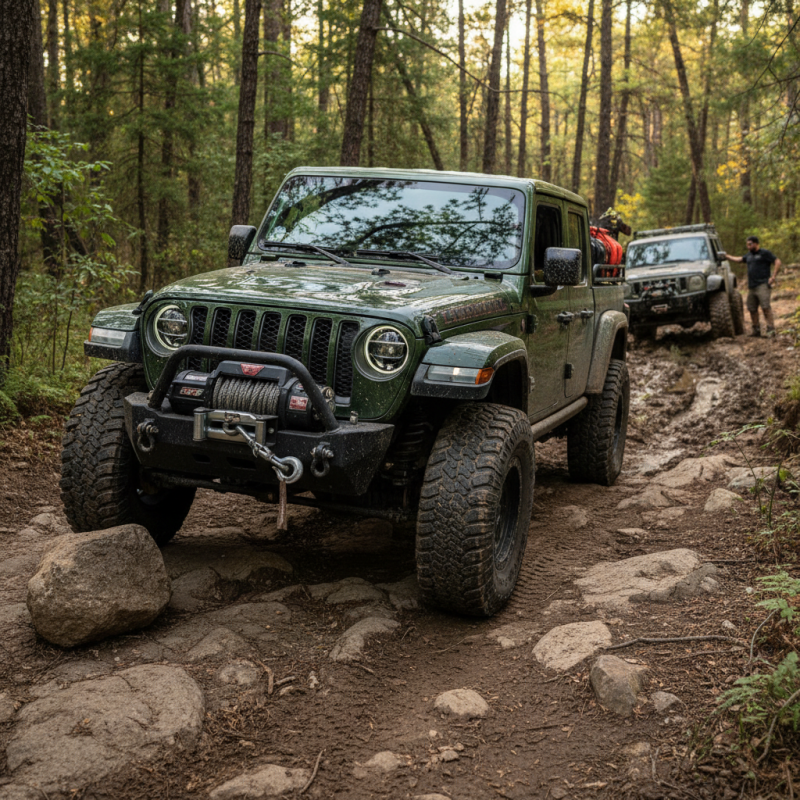
Determining Vehicle Weight for Recovery Winch Selection
When choosing a winch for vehicle recovery, understanding vehicle weight is crucial. In 2026, recovery vehicles range significantly in weight. A compact SUV may weigh around 3,500 pounds, while larger off-road trucks can exceed 8,000 pounds. Industry experts recommend selecting a winch that can handle at least 1.5 times your vehicle's weight. This means a winch suitable for a 6,000-pound vehicle should have a pulling capacity of at least 9,000 pounds.
Another key factor is vehicle purpose. If the vehicle will face severe terrains, a higher capacity winch is advisable. A well-respected industry report indicates that 70% of vehicle recoveries occur in challenging conditions involving mud or steep angles. Winch selection must account for these variables to ensure reliability in tough situations. Many users overlook this critical aspect, leading to equipment failure.
Additionally, some recovery operators may underestimate the vehicle's total load, including trailer weight or gear. Avoiding underestimation could save time and resources during a recovery. Data shows that 68% of operators experience complications due to inadequate equipment specifications. Therefore, correctly assessing the total weight, along with the winch rating, plays a vital role in effective recovery planning.
Evaluating Recovery Scenarios and Winch Performance Requirements
Choosing the right size winch for your recovery vehicle in 2026 requires a careful evaluation of various recovery scenarios. Different situations, such as pulling a vehicle from a ditch or lifting a heavy load, demand specific winch capabilities. Industry studies indicate that a winch should have a rating that is at least 1.5 times the weight of the vehicle being recovered. For example, if your vehicle weighs 5,000 pounds, a winch with a capacity of at least 7,500 pounds is recommended.
When assessing winch performance, consider environmental factors. Sandy or muddy terrains increase resistance, and your winch must operate efficiently under these conditions. Reports show that winches often lose 30-50% of their pulling power when used in adverse conditions. This means that a vehicle weighing 5,000 pounds in a muddy situation could require a winch with a maximum capacity of up to 10,000 pounds.
Relying on standard recommendations might overlook unique recovery challenges. Each scenario can differ greatly based on vehicle type, load distribution, and recovery angles. Spending time to analyze these factors can save you from costly mistakes and ensure safer recoveries. Choosing the right winch is crucial, yet it demands ongoing consideration and evaluation. As circumstances change, so should your winch requirements.
Understanding Winch Pulling Capacity and Gear Ratio Essentials
When selecting a winch for your recovery vehicle, understanding pulling capacity is crucial. Your winch needs to handle the weight of your vehicle plus any additional load. A common rule is to choose a winch with a pulling capacity at least 1.5 times the weight of what you'll recover. This ensures that your winch can handle unforeseen challenges without breaking.
Gear ratios also play a significant role in the winching process. A lower gear ratio offers more torque, allowing the winch to pull heavier loads slowly. This could be beneficial in tough recovery scenarios. Conversely, a higher gear ratio wins in speed but reduces the absolute pulling power. Assess your typical recovery situations carefully to choose the right ratio.
Tips: Always check the winch's specifications and rating. Think about where and how you’ll use it. Consider the worst-case scenarios beforehand. Consult with experts in the field to ensure you gain insights from their experiences. Using quality recovery gear can influence the overall success of your recovery. Reflect on your choices and adapt them to your vehicle's needs and recovery strategies.
Winch Pulling Capacities Required for Different Recovery Vehicle Weights in 2026
This chart illustrates the recommended winch pulling capacities for different types of recovery vehicles in 2026. As the weight of a vehicle increases, so does the required winch capacity for effective recovery operations.
Exploring Winch Types: Electric vs. Hydraulic for Recovery Vehicles
When choosing a winch for recovery vehicles, understanding the difference between
electric and
hydraulic options is crucial. Electric winches are often favored for their
simplicity and ease of installation. They are powered directly from the vehicle's battery. According to a recent
industry report, electric winches can handle loads ranging from
3,000 to over 30,000 pounds. Their versatility makes them a solid choice for
many recovery scenarios. However, they may struggle with prolonged use, especially in heavy-duty situations.
Hydraulic winches, on the other hand, operate using the vehicle's hydraulic system. This gives them a significant
advantage in terms of power and durability. A study published by the
International Journal of Mechanical Engineering highlights that hydraulic winches
can sustain higher pulling capacities without overheating. They are particularly effective for larger vehicles,
often supporting loads exceeding
35,000 pounds. Yet, their installation can be more complex and costly.
When choosing between these options, consider the specific demands of your recovery situations. Electric winches
might be suitable for standard recovery, while hydraulic systems are better suited for challenging conditions.
Each type comes with its own set of challenges, and the choice should reflect the vehicle's intended use and
the operator's preferences. Working through these characteristics ensures you find the right fit
for your needs.
Maintenance and Safety Considerations for Recovery Winches in 2026
When considering recovery winches in 2026, maintenance cannot be overlooked. Regular inspections are crucial. A 2023 industry report showed that improperly maintained winches lead to 30% more failures in the field. Ensuring the line is free from frays and the drum is clean can prevent these issues. Winches not maintained yearly face significant risks.
Safety remains a top priority. In 2025, incidents caused by winch failures resulted in 15 injuries annually in the U.S. Always wear gloves and check safety gear before usage. It’s essential to ensure D-rings and shackles are correctly rated for your vehicle's weight. 70% of certified operators report fewer accidents when following proper protocols. Consistency in safety checks increases reliability during recovery situations.
Lastly, be aware of environmental factors. In harsh weather, winches may perform unpredictably. A study showed a 40% reduction in winch effectiveness in cold climates without proper lubrication. Regular service and adjusting for environment can improve performance. Maintenance and safety emphasize reliability and responsiveness, which can save lives during recovery operations.
FAQS
: Ensure the winch's rating is at least 1.5 times your vehicle's weight. This helps manage pulling challenges.
Consider environmental factors like muddy or sandy terrains. These can greatly reduce pulling power.
Winches can lose 30-50% of pulling power in tough conditions. Adjust capacity accordingly for safe recovery.
Lower gear ratios provide more torque but pull slower. Higher ratios offer speed but less pulling power.
Regular inspections are vital. Poor maintenance can lead to 30% more failures during recovery operations.
Always wear gloves and check safety gear. Ensure D-rings and shackles are rated for your vehicle's weight.
Each recovery scenario is unique. Analyzing your choices can prevent costly mistakes and improve safety.
Weather can impact effectiveness. Cold climates may reduce performance by 40% without proper lubrication.
Yes, consulting with experienced professionals can provide valuable insights and enhance your recovery strategies.
Ignoring maintenance may increase failure rates and lead to dangerous situations during recoveries.
Conclusion
When considering the question, "What size winch do I need for my recovery vehicle in 2026?", it's essential to begin by accurately assessing your vehicle's weight. This step is crucial for effective winch selection, as the necessary pulling capacity directly correlates with the vehicle's mass. Additionally, understanding the recovery scenarios you might encounter will help determine winch performance requirements, ensuring you choose a model that can handle a variety of challenges.
Further, it's important to comprehend the implications of winch pulling capacity and gear ratios, which play a significant role in determining efficiency and effectiveness during recovery operations. Evaluating the types of winches available, such as electric and hydraulic options, will also influence your decision based on power needs and usage situations. Lastly, proper maintenance and safety considerations specific to recovery winches in 2026 will ensure reliability and longevity, ultimately enhancing your recovery capabilities.

 Pak Lift