Explore our foundational range of heavy-duty components and machinery tailored for high-intensity industrial usage.
An in-depth analysis of high-capacity structural mobility, wheel dynamics, and heavy machinery transport engineering.
In modern heavy industry, the efficient, safe, and precise translocation of multi-ton payloads remains a critical operational challenge. Whether maneuvering high-value CNC machines, modular industrial components, electrical transformers, or aerospace structural elements, the utilization of Load Moving Skates (also termed machinery rollers or transport dollies) has transitioned from a convenience to a strict operational prerequisite. This whitepaper examines the fundamental mechanics, material compositions, and manufacturing breakthroughs defining contemporary low-profile heavy-load transport systems.
High-grade structural steel alloys (typically Q355B or Q460) undergo laser cutting and robotic welding to construct a rigid, low-profile chassis capable of sustaining extreme static and dynamic structural shear without deformation.
Polyurethane wheels (Shore A 90-95 hardness) offer superior floor protection and noise reduction, whereas alloy steel rollers are applied in ultra-heavy scenarios where load capacity overrides floor preservation concerns.
Fully rotatable 360-degree top plates, utilizing integrated heavy-duty thrust ball bearings, permit precise directional control and tracking under peak tonnage, reducing necessary towing force by up to 60%.
The load capacity of a load moving skate is directly proportional to the floor contact area and the number of individual rollers integrated into the chassis. To prevent localized point loading on factory floors, engineers rely on wide-faced polyurethane rollers fitted with high-precision double-shielded ball bearings. The rolling resistance coefficient, denoted as μ, is minimized through precise axle alignment and hardened inner races. In professional rigging setups, combining steerable front skates (AS series) with adjustable trailing rear skates (AL series) establishes a stable three-point support configuration, preventing structural slippage on minor floor gradients.
Zhejiang Pak Lift Equipment Co., Ltd.
Operating from the global manufacturing epicenter of Zhejiang, China, domestic factories utilize integrated steel supply chains and advanced raw materials processing clusters to deliver high-quality heavy-duty machinery moving skates. By combining metallurgical advantages with automated precision tooling, Zhejiang manufacturers achieve unmatched consistency in structural durability.
At Zhejiang Pak Lift Equipment Co., Ltd., we are a leading enterprise specializing in the research, development, manufacturing, and sales of lifting machinery and equipment. Based in Zhejiang, we are committed to delivering high-quality lifting solutions that cater to both domestic and international markets. Our main focus is on the export of cranes and other lifting equipment, with a comprehensive product portfolio that includes electric winches, electric hoists, elevators, hoisting tools, and a wide range of related accessories.
We are a pioneer in the mechanical equipment industry, serving industries like construction, mining, logistics, and warehousing with cutting-edge lifting solutions. With an experienced technical team and state-of-the-art manufacturing facilities, we ensure that every product meets the highest standards of safety, reliability, and performance.
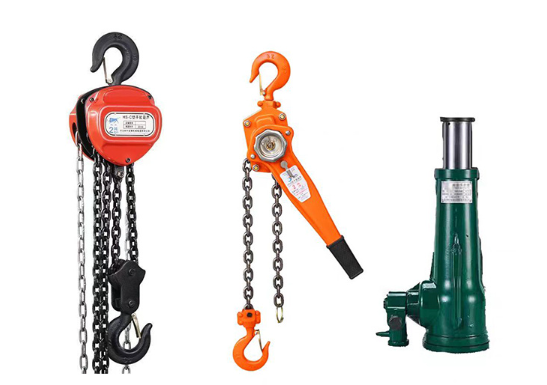
With over 300 products covering a wide range of lifting machinery, Pak Lift's products are in high demand across more than 30 countries and regions worldwide.
We offer a broad spectrum of lifting equipment, including electric winches, hoists, elevators, and other specialized lifting tools to meet the unique needs of our global clientele.
Pak Lift invests in cutting-edge production equipment, ensuring the highest level of precision and quality control in every product we deliver.
Our team of experts, including engineers, technicians, and designers, works tirelessly to innovate and provide the most effective lifting solutions to our customers.
At Pak Lift, we continually strive to introduce new products and advanced technologies to keep up with the evolving needs of the industry. We lead the development of lifting machinery through constant innovation.
Our company is committed to offering exceptional after-sales service, ensuring customer satisfaction at every stage of the purchase process.
We are committed to actively fulfilling our corporate social responsibilities, ensuring a positive contribution to society and establishing a strong corporate image built on trust and integrity.
We provide high-quality products at competitive prices, making top-tier lifting equipment accessible to businesses of all sizes globally.
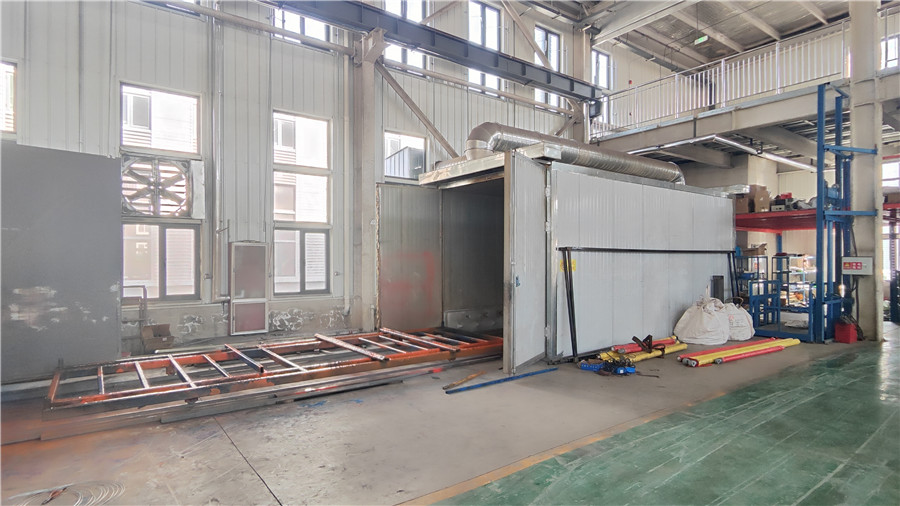
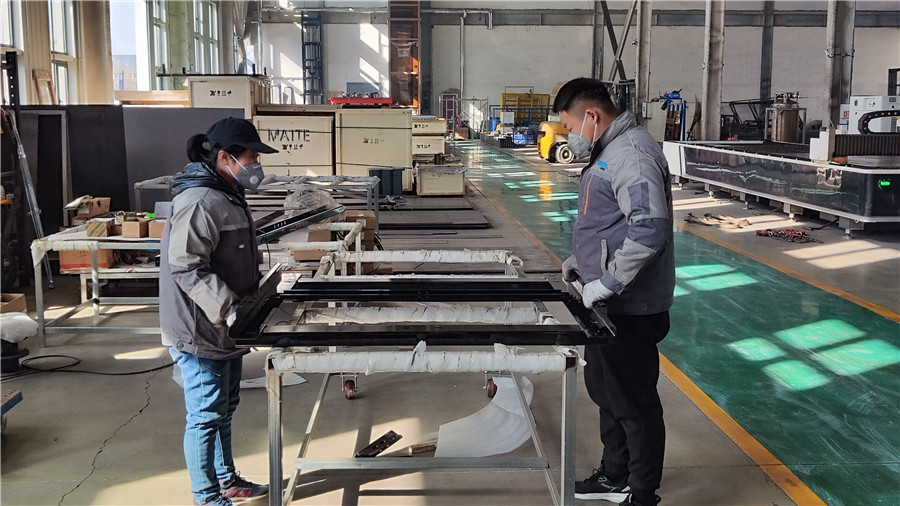
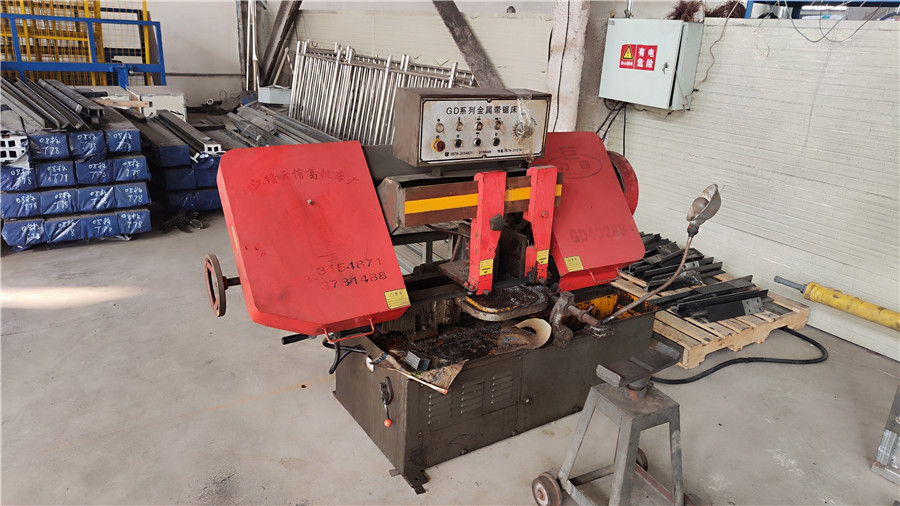
Visualizing our advanced factory workflows where heavy raw steel is converted into industry-grade machinery transport modules.
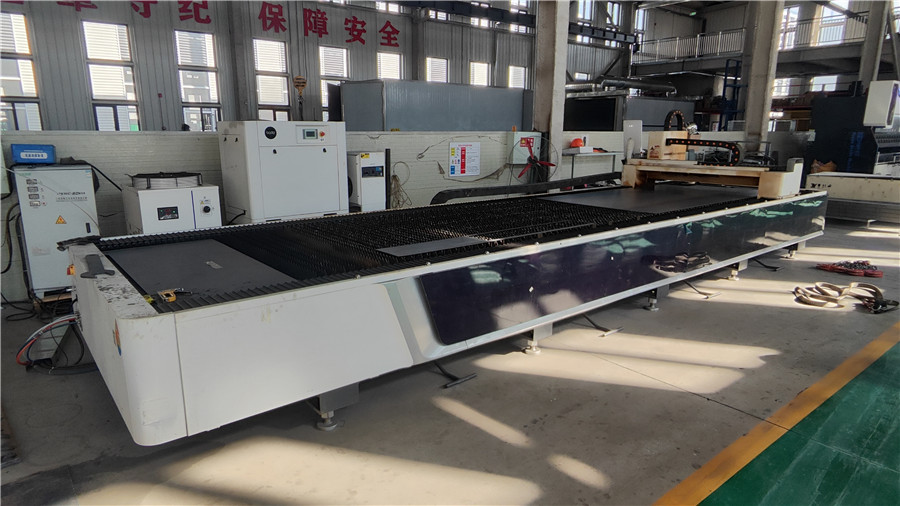
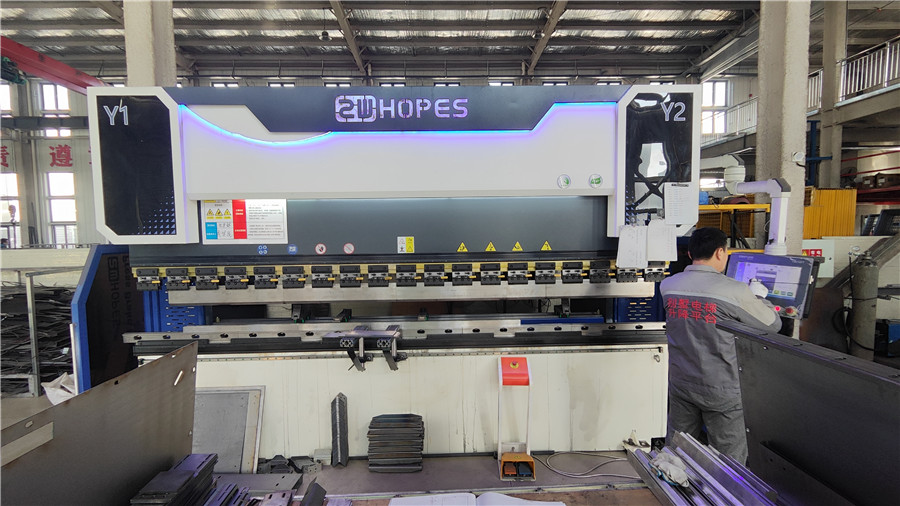
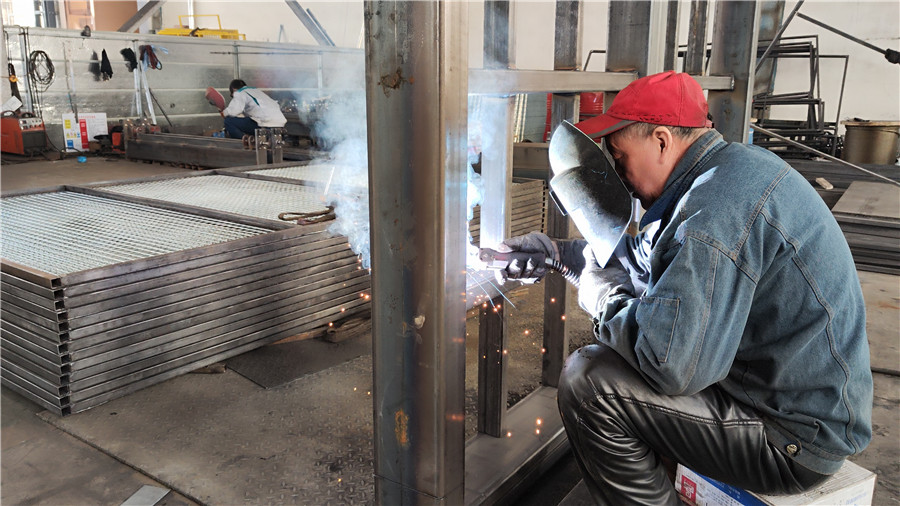
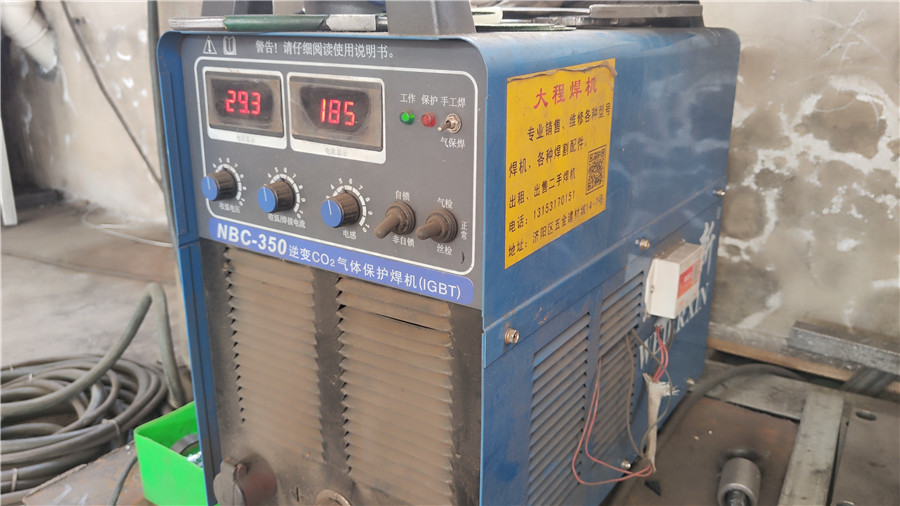
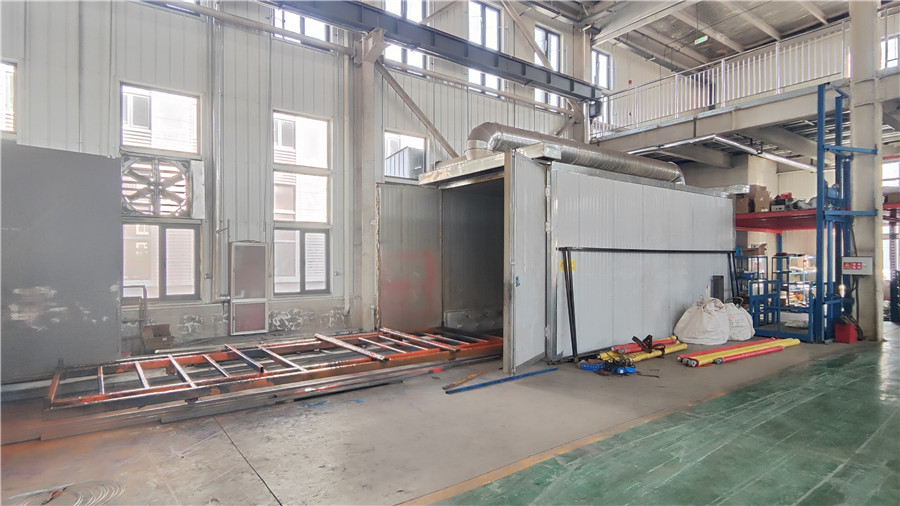
Industrial load skates operate as critical components within multi-disciplinary manufacturing systems. Their deployment covers various high-end application profiles:
To address these multifaceted requirements, global procurement departments look beyond simple load capacity figures. Factors such as safety coefficients (typically 4:1 dynamic safety factor), surface coating resilience, and certified ISO 9001 quality audits from manufacturers are critical decision parameters for modern supply chain directors.
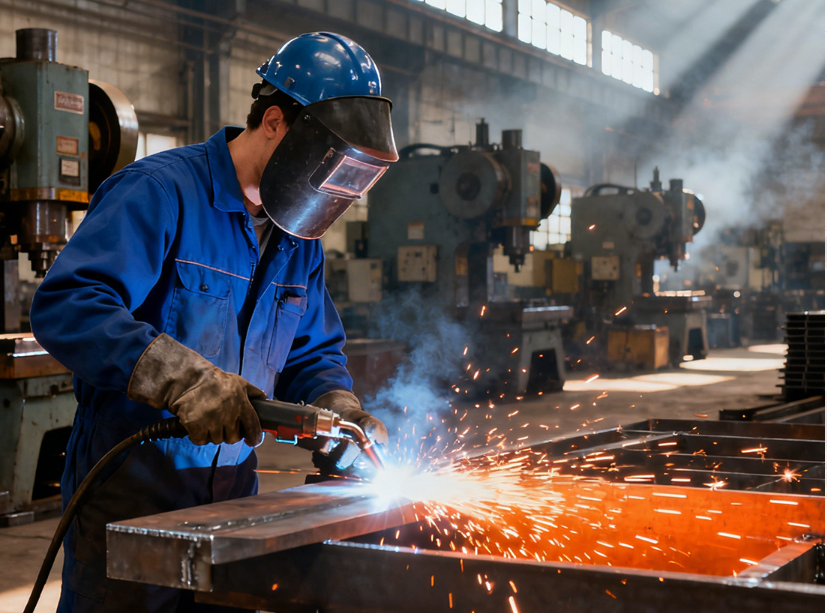
The transition toward intelligent, ergonomic, and lightweight heavy transport solutions in global manufacturing ecosystems.
Incorporating wireless load cells and strain gauges directly into the skate's chassis structure. This permits rigging operators to monitor real-time weight distribution via smartphone apps, identifying dangerous shifting load imbalances before structural failures occur.
Replacing traditional manual towing setups with compact, lithium-ion battery-operated drive motors integrated directly into the roller chassis. A single operator can direct up to 100 metric tons of equipment using a wireless remote control joystick.
Using aircraft-grade aluminum-zinc alloys or high-molecular-weight structural composites. These materials reduce the dead weight of the transport skates, making them easier for rigging personnel to lift and place on-site while preserving peak compressive yield strengths.
Practical structural engineering and logistical answers for heavy transport planners, riggers, and global procurement managers.
Discover our heavy-duty engineering products designed to anchor, tension, and maneuver heavy industrial structures.
 Pak Lift