Engineered for maximum lifting safety factor, high tensile strength, and superior environmental resistance in harsh tropical environments.
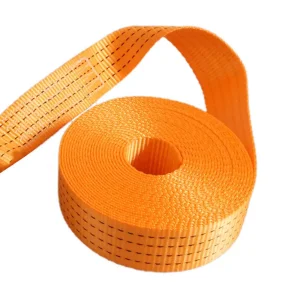
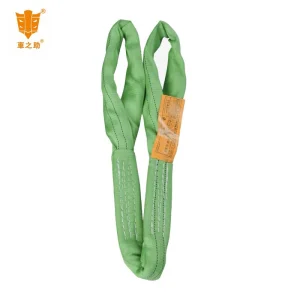
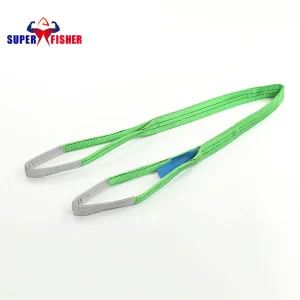
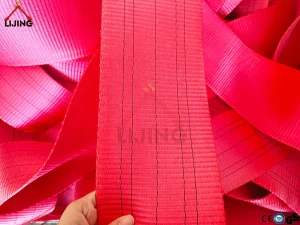
Eritrea’s geographic position along the Red Sea, bordered by Sudan, Ethiopia, and Djibouti, makes it a vital logistical gateway for East Africa. Key ports like Massawa and Assab are undergoing modern infrastructural updates to handle larger maritime shipments, dry bulk cargo, and heavy machinery imports. As infrastructure projects expand from the coastal lowlands to the mountainous capital of Asmara, the demand for high-strength, certified lifting tackle has risen exponentially.
In addition to port expansions, the mineral extraction industry—predominantly gold, copper, and zinc mining operations like the Bisha Mine—operates under grueling environmental parameters. High temperatures exceeding 40°C, atmospheric dust, corrosive salt breeze, and mineral acids present severe operating challenges for rigging hardware. Heavy-duty hoisting ropes, chain blocks, and polyester lifting slings must withstand extreme tension, abrasive wear, and intense UV degradation. Underestimating equipment wear in these remote zones leads to costly downtime or fatal structural failures.
Your Authoritative Engineering Partner for Rigging and Industrial Lifting Machinery
Zhejiang Pak Lift Equipment Co., Ltd. is a leading enterprise specializing in the research, development, manufacturing, and global sales of lifting machinery and high-tenacity synthetic webbing products. Based in Zhejiang's advanced manufacturing corridor, we are committed to delivering heavy-duty engineering solutions that cater to both domestic construction operations and demanding international procurement markets.
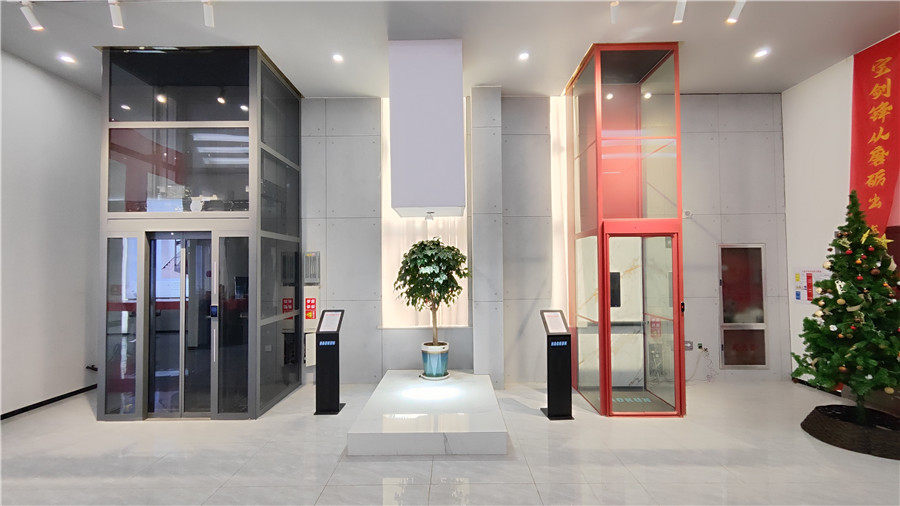
Our comprehensive product portfolio includes state-of-the-art electric winches, high-speed electric hoists, cargo elevators, hoisting tools, and specialized synthetic rigging equipment. We have established long-term strategic relationships with port authorities, mining corporations, and multi-national logistics enterprises across over 30 countries and regions globally.
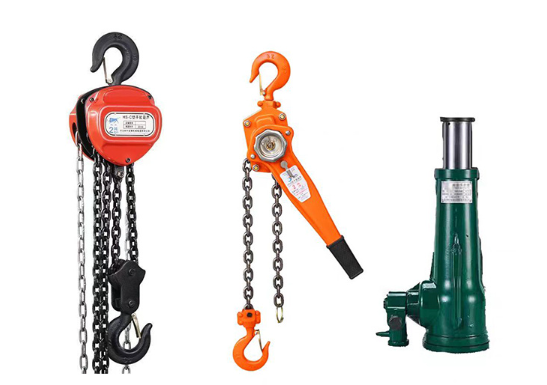
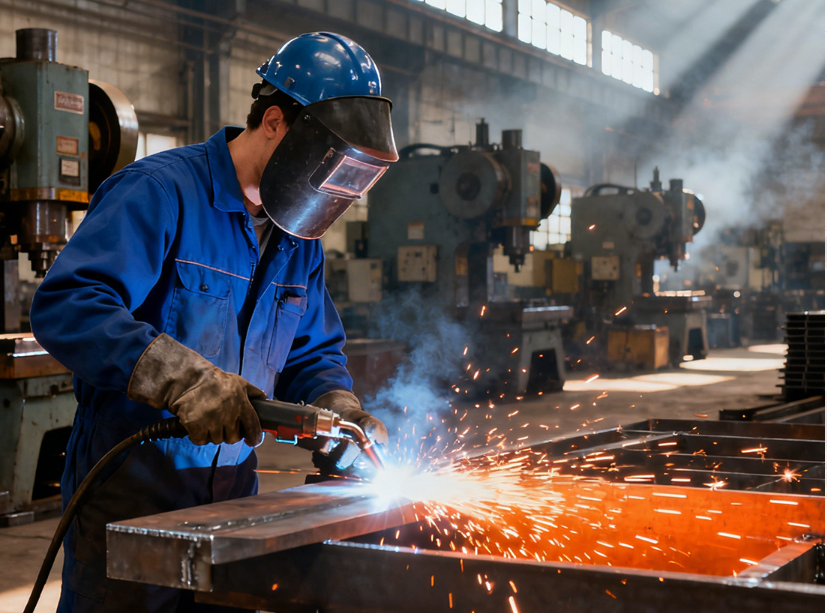
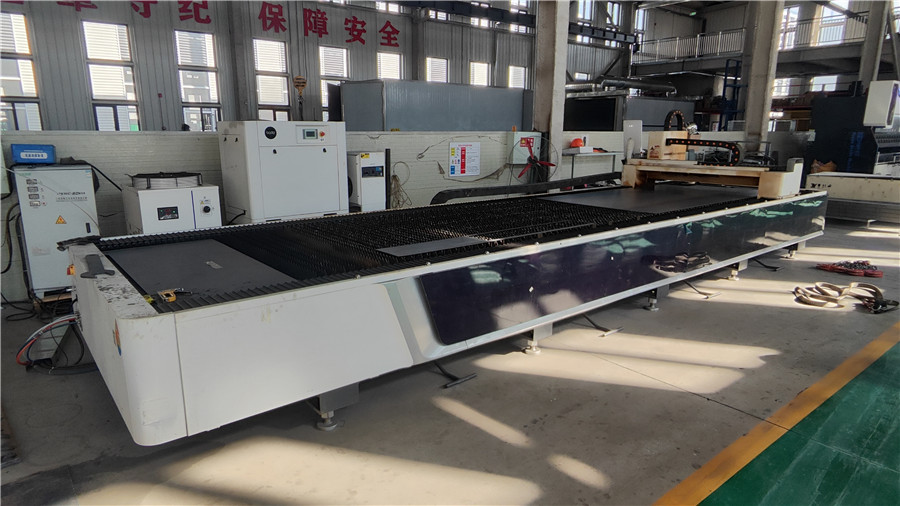
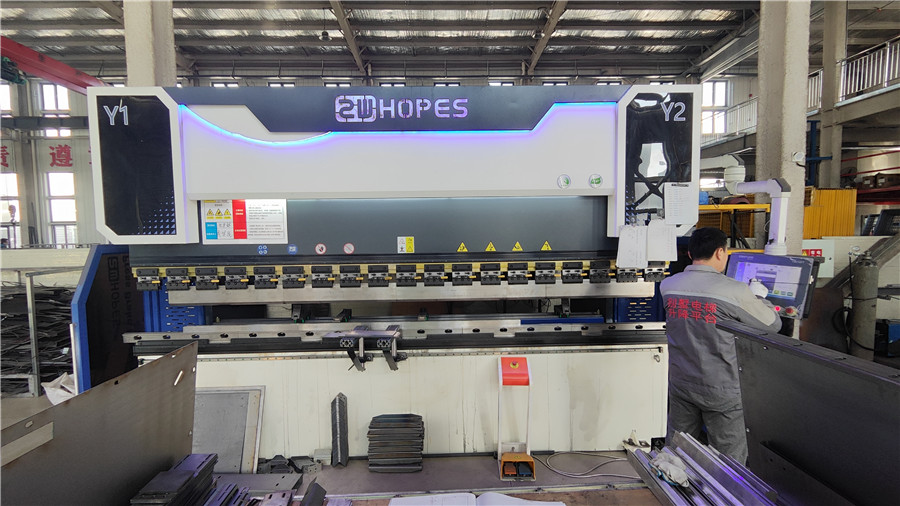
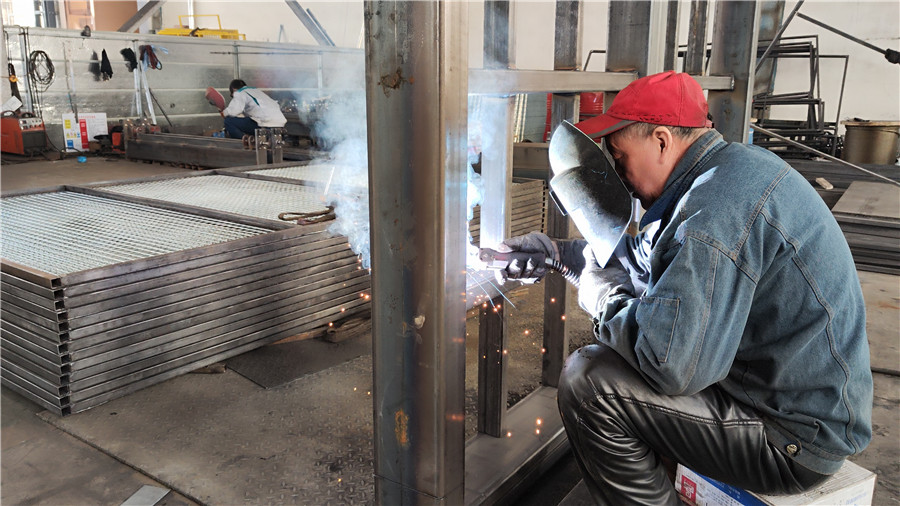
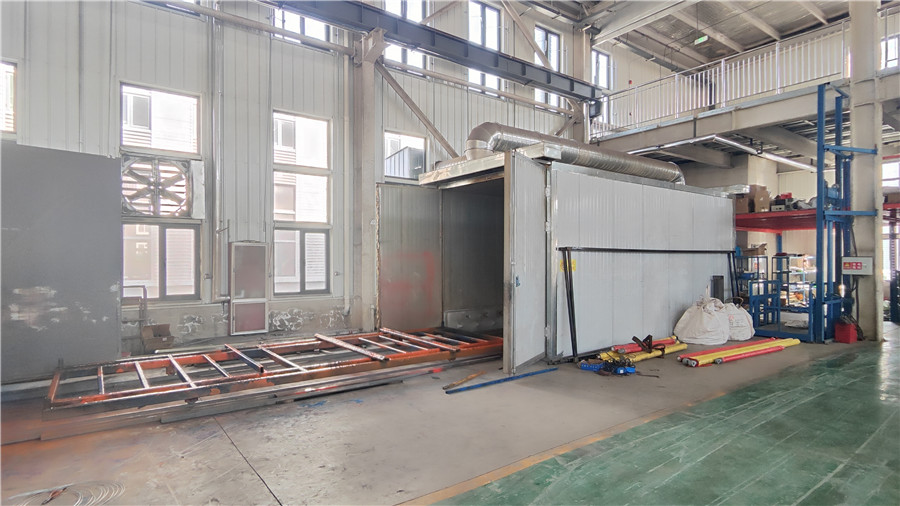
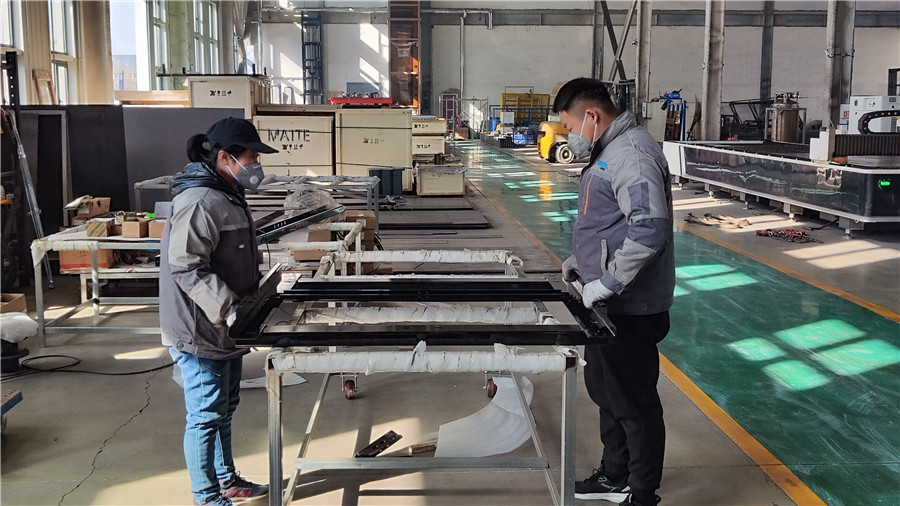
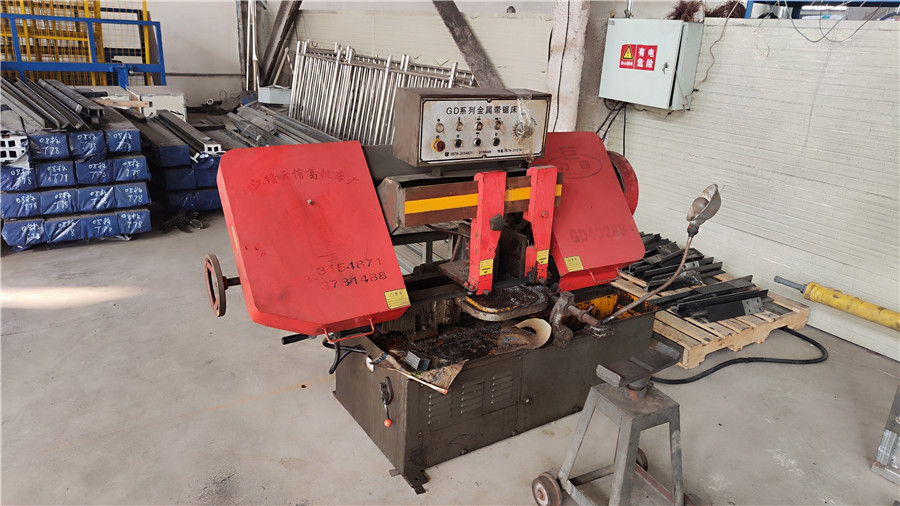
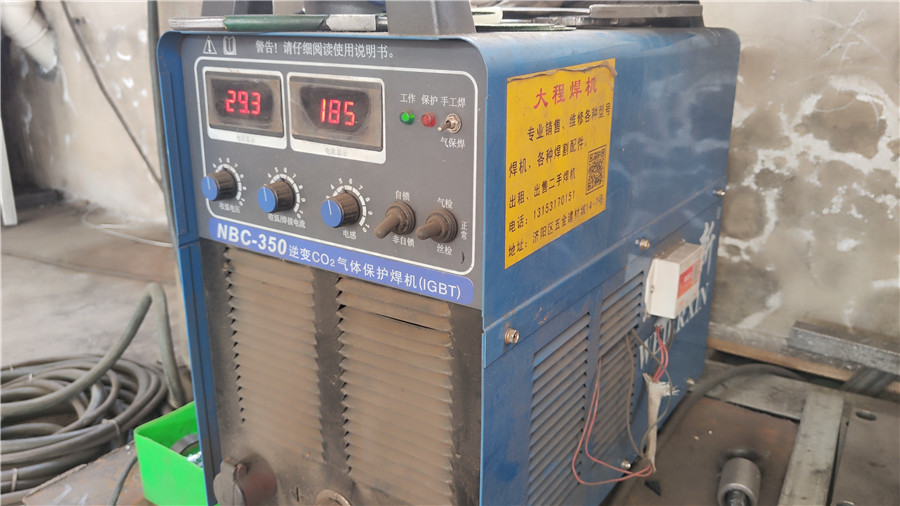
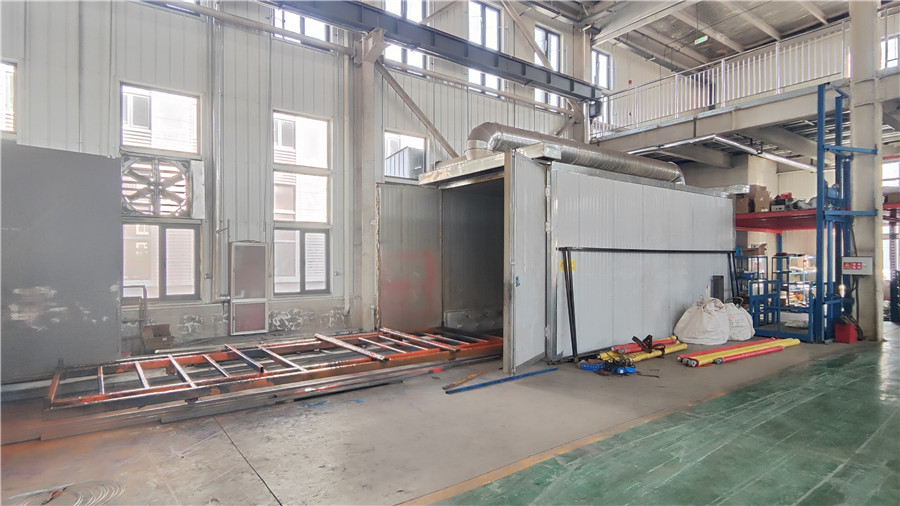
Inside our state-of-the-art facility where raw high-tenacity polymer fibers and premium steel components are transformed into certified lifting systems.
Choosing the correct medium for heavy rigging is not merely a matter of load capacity; it is a complex intersection of chemistry, physics, and kinematics. In the table below, we examine how different industrial polymer fibers react under physical stressors and environmental hazards typical in East African operations.
| Material Class | Elongation at WLL | Acid Resistance | Alkali Resistance | Moisture Absorption | Melting Point |
|---|---|---|---|---|---|
| Polyester (PES) | < 3% to 4% | Excellent | Moderate | < 0.5% | 260°C |
| Nylon (Polyamide) | 6% to 10% | Poor | Excellent | 4% to 8% (Loses strength) | 220°C |
| Polypropylene (PP) | 8% to 12% | Very Good | Very Good | Near 0% (Floats) | 165°C (Susceptible to friction melt) |
Why we advocate for Polyester (PES) in Eritrea's dry bulk logistics: Polyester retains its full nominal load capacity in humid environments, has minimal elastic deformation under tension (preventing dangerous payload bounces), and resists mineral acids which are commonly present in copper processing plants and chemical ports. Furthermore, its melting point provides an extra safety ceiling against frictional heat generation during high-speed crane acceleration.
Industry answers regarding standard requirements, local logistics, and chemical properties of lifting solutions.
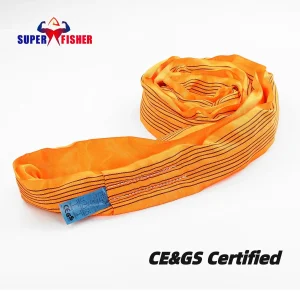
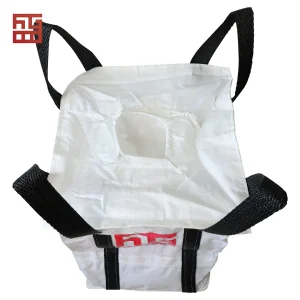
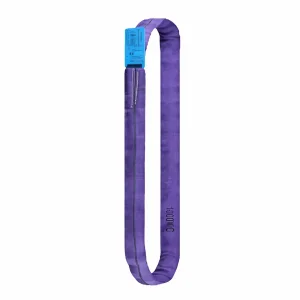
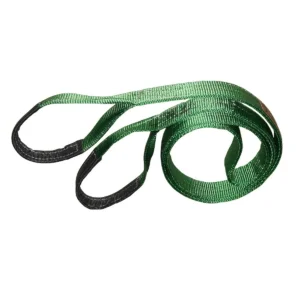
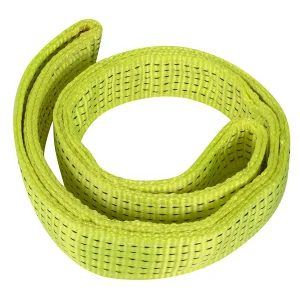
Engineered for high stress resistance, color-coded capacities, and compliant with safety guidelines.
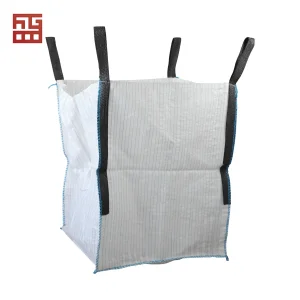
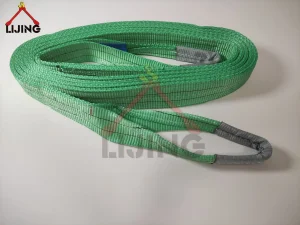
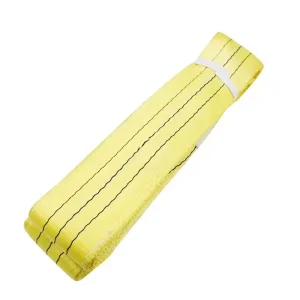
Consult with our structural lifting engineers today. We supply certified documentation, high-performance webbings, and cost-effective pricing for Eritrea and worldwide projects.
Get a Quote / Technical Consultation Pak Lift