Heavy-duty engineering solutions designed for maximum reliability and industrial throughput
The backbone of modern intra-logistics and manufacturing flow
In the contemporary industrial ecosystem, the movement of heavy loads across factory floors, assembly lines, shipyards, and logistics hubs is a critical element determining operational throughput. Heavy-duty carts—ranging from manual platform trucks and towable trailers to semi-automated transfer carts and fully autonomous electric platform vehicles—have transitioned from simple utility items to highly engineered assets. Their role is pivotal in achieving lean manufacturing, reducing workplace safety hazards, and optimizing floor productivity.
According to recent industry whitepapers and global trade statistics, the market for heavy-duty material handling carts is projected to witness significant compound annual growth over the next decade. This growth is primarily fueled by the rapid expansion of heavy industries, such as aerospace assembly, automotive production, wind energy component fabrication, and heavy metal metallurgy. Standard material handling equipment often falls short when payloads exceed 5 tons; thus, custom-designed heavy-duty carts with weight capacities stretching from 10 tons to over 500 tons have become indispensable.
Geographically, Asia-Pacific remains the largest manufacturing hub and market due to the concentration of heavy fabrication, shipbuilding, and automotive assembly lines. Meanwhile, the European and North American markets are characterized by a strong shift toward automated and electric-drive systems, driven by stringent workplace safety legislation and labor shortage pressures. Manufacturers globally are standardizing wheels, steering configurations, and structural integrity parameters to ensure cross-border compatibility and compliance with international standards such as ASME B30.20, CE, and ISO 9001.
Exporter networks are increasingly focusing on modular designs that can be shipped compactly and assembled locally. This minimizes logistics expenses while preserving structural integrity. Strategic partnerships between heavy machinery developers like Zhejiang Pak Lift Equipment Co., Ltd. and global distributors have enabled rapid deployment of these engineering solutions worldwide.
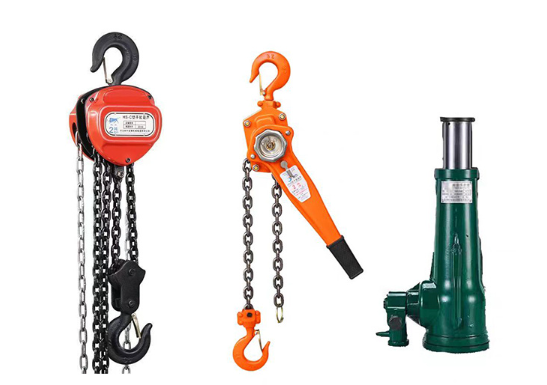
Navigating the evolution of smart, ergonomic, and autonomous heavy transport
The manufacturing paradigms of Industry 4.0 demand that material handling systems match the agility of smart factories. The technology roadmap for heavy-duty carts reveals a shift from static, human-propelled systems to intelligent, self-propelled, and data-integrated platforms.
Transition from manual tow-bars to integrated battery-powered drive systems. Utilizing brushless DC (BLDC) motors and high-capacity Lithium Iron Phosphate (LiFePO4) batteries to deliver sustained torque for moving payloads up to 100+ tons safely.
Modern layouts utilize multi-wheel steering mechanisms, including Ackerman steering, 90-degree crab steering, and 360-degree rotation-on-the-spot configurations. This enhances maneuverability within tight manufacturing corridors.
Integrating LiDAR, slam-navigation, and safety laser scanners. Carts are transforming from passive structural units into Autonomous Guided Vehicles (AGVs) capable of dynamic routing and collaborative fleet management.
Moreover, structural materials have evolved. High-strength structural steels (such as Q355 or Q460) combined with finite element analysis (FEA) design protocols allow manufacturers to reduce the cart's tare weight while maximizing load carrying safety factors. Wheel technologies have also progressed; advanced polyurethane treads bonded to cast steel hubs prevent floor damage while reducing rolling resistance, which translates directly to energy savings and reduced wear on industrial flooring.
How heavy-duty carts resolve distinct sector bottlenecks
In facilities producing large turbines, transformers, or mining equipment, heavy-duty transfer carts move components seamlessly between machining bays, welding booths, and assembly lines. These carts are engineered to withstand concentrated, unbalanced loads and are often integrated with hydraulic lift platforms to position components at ergonomic working heights.
Press lines require rapid changing of massive dies weighing upwards of 50 tons. Heavy-duty die carts, equipped with integrated roller decks and precision positioning systems, allow dies to be pulled and replaced in minutes, minimizing downtime during tooling changeovers.
Aerospace manufacturing involves moving extremely large, high-value, yet delicate structures like aircraft wings and fuselage sections. Carts utilized in this domain must feature micro-positioning capabilities, vibration-dampening suspension systems (such as nitrogen accumulators or heavy-duty coil springs), and polyurethane wheels to eliminate static charge build-up and floor scuffing.
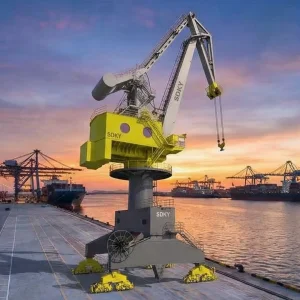
Moving block assemblies and heavy structural elements in coastal environments requires heavy-duty carts with robust corrosion protection, such as hot-dip galvanizing and polyurethane topcoats. These carts are engineered to navigate uneven outdoor surfaces, demanding advanced load-equalizing suspension systems to prevent structural overload on individual wheels.
Bridging the gap between lifting, positioning, and horizontal transfer
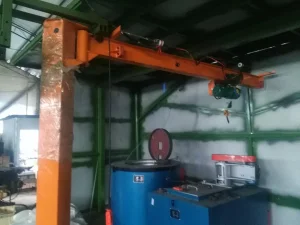
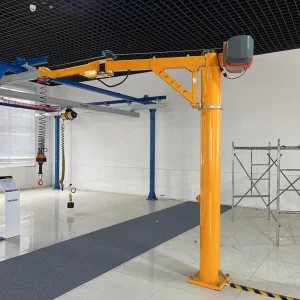
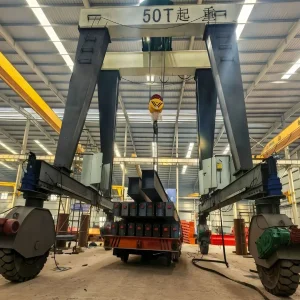
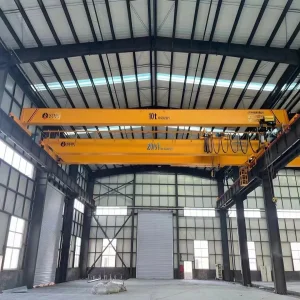
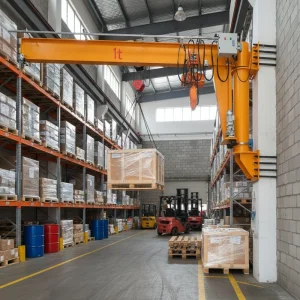
Optimal material handling efficiency is rarely achieved by a single category of equipment. Instead, it requires the integration of horizontal transfer equipment (like heavy-duty carts) with vertical lifting machinery (such as overhead cranes, jib cranes, and winches). This creates an integrated material flow solution.
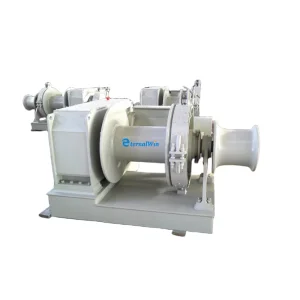
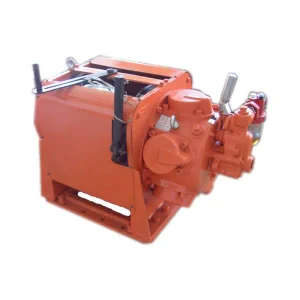
For example, in a heavy steel manufacturing plant, a crane lifts a raw steel billet from storage and deposits it onto a heavy-duty transfer cart. The cart carries the load horizontally across different production bays, where compact jib cranes hoist components for localized machining. Finally, winches are used to position the completed assemblies. By aligning these systems, material transfer bottlenecks are eliminated, crane wait times are minimized, and overall safety is enhanced.
Leveraging state-of-the-art manufacturing to deliver global standard material handling machinery
Zhejiang Pak Lift Equipment Co., Ltd. is a leading enterprise specializing in the research, development, manufacturing, and sales of lifting machinery and equipment. Based in Zhejiang, we are committed to delivering high-quality lifting solutions that cater to both domestic and international markets. Our main focus is on the export of cranes and other lifting equipment, with a comprehensive product portfolio that includes electric winches, electric hoists, elevators, hoisting tools, and a wide range of related accessories.
Our company is a pioneer in the mechanical equipment industry, serving industries like construction, mining, logistics, and warehousing with cutting-edge lifting solutions. With an experienced technical team and state-of-the-art manufacturing facilities, we ensure that every product meets the highest standards of safety, reliability, and performance.
Pak Lift prides itself on its strong presence in both local and international markets. Our products are exported to over 30 countries and regions around the globe, and we have established long-term, stable business relationships with numerous customers worldwide. We have built a reputation for reliability, innovation, and quality, earning the trust and satisfaction of our customers across various industries.
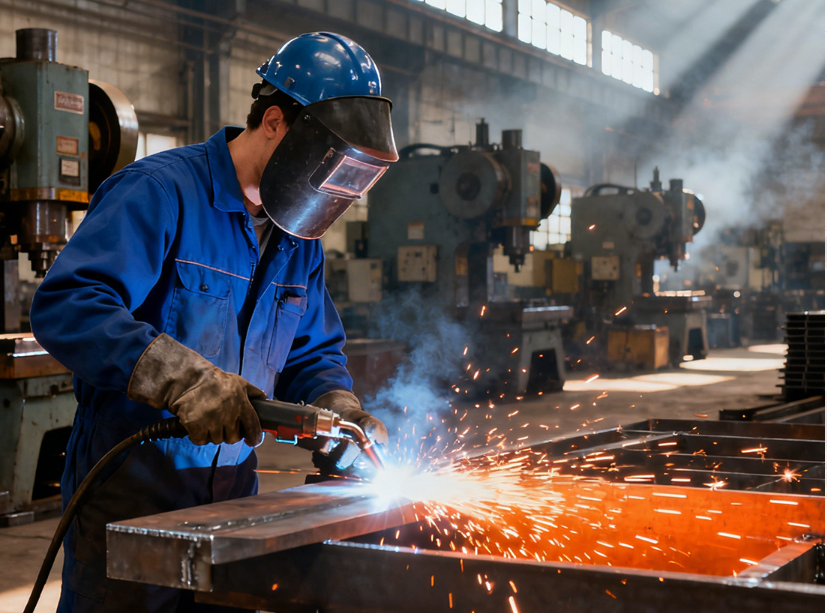
We warmly invite friends and business partners from around the world to visit, guide, and discuss potential collaborations. Since our establishment, Pak Lift has earned praise from users with superior product quality, reasonable pricing, and excellent service. We look forward to establishing mutually beneficial and long-lasting partnerships with organizations worldwide. Together, we can lift your business to new heights!
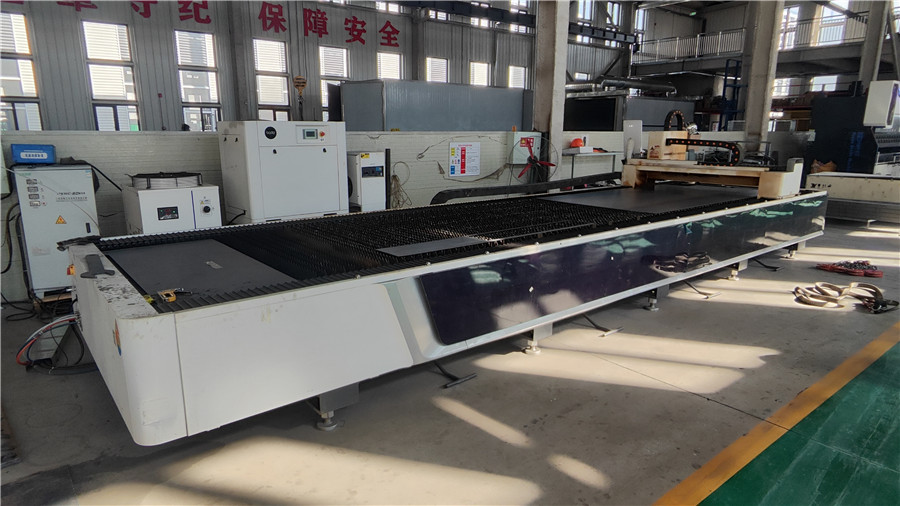
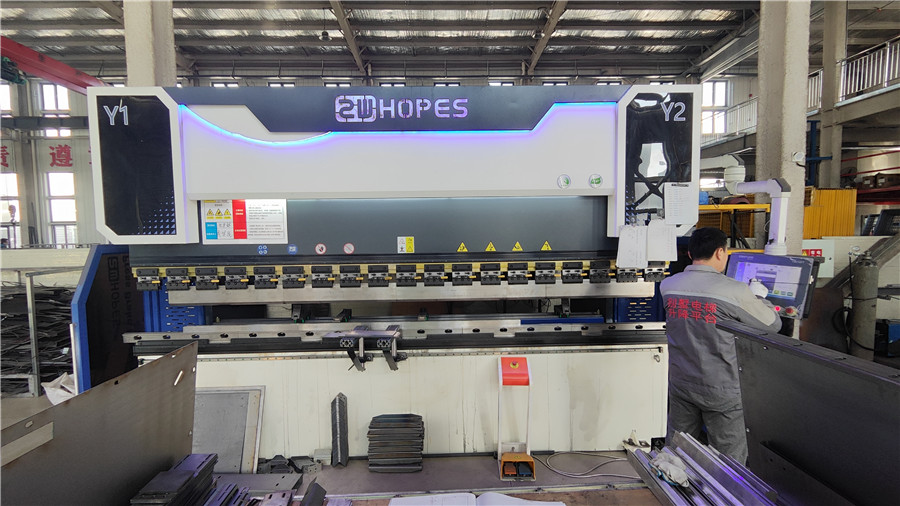
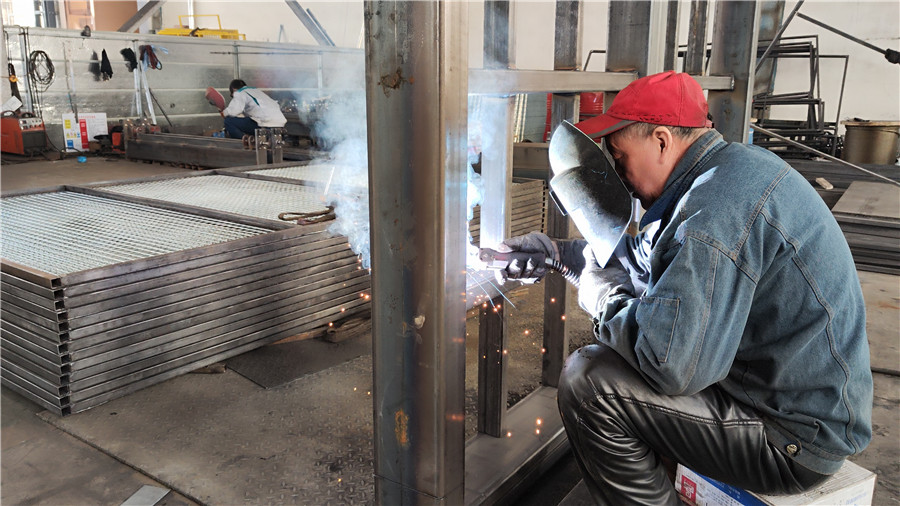
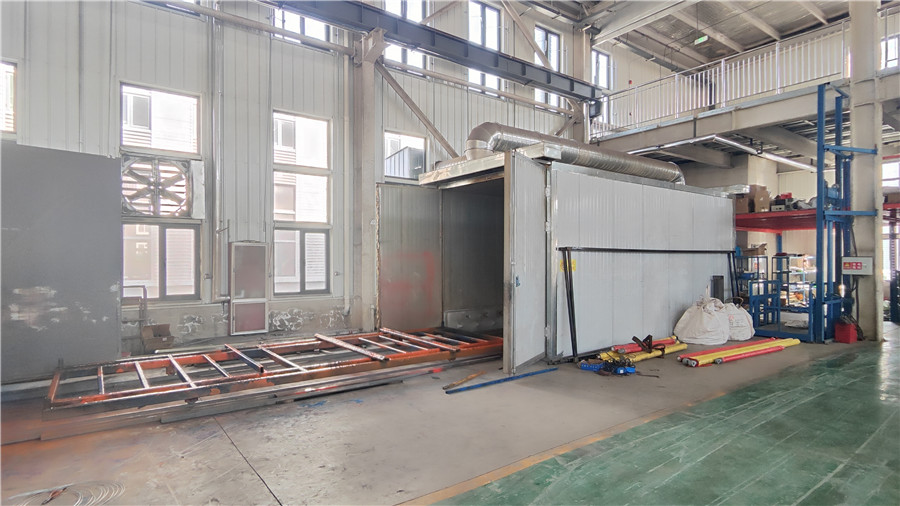
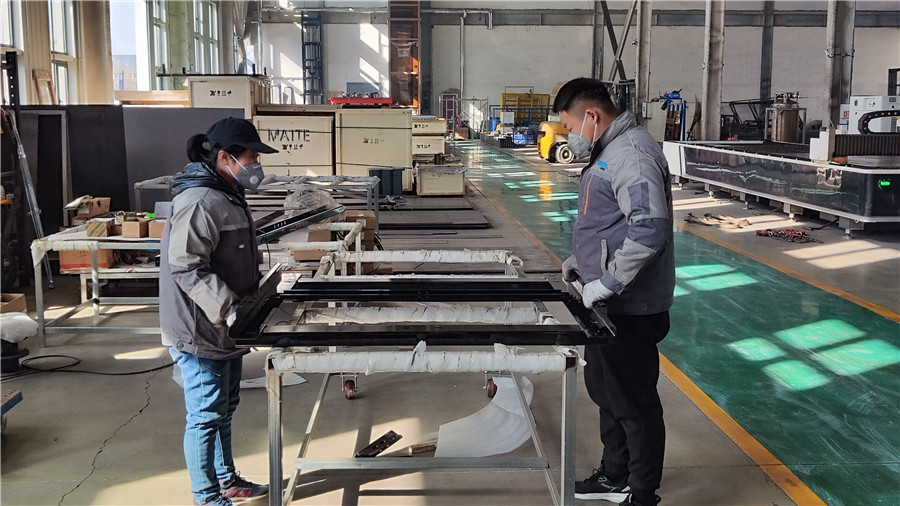
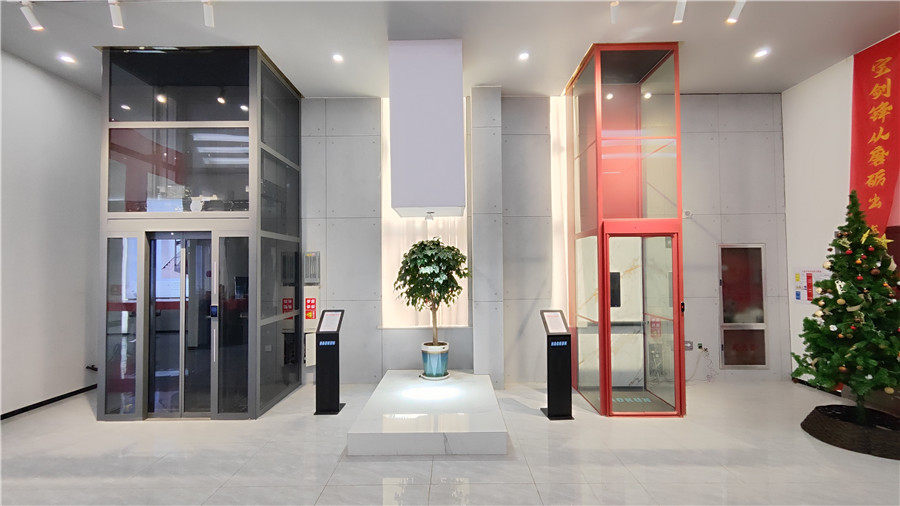
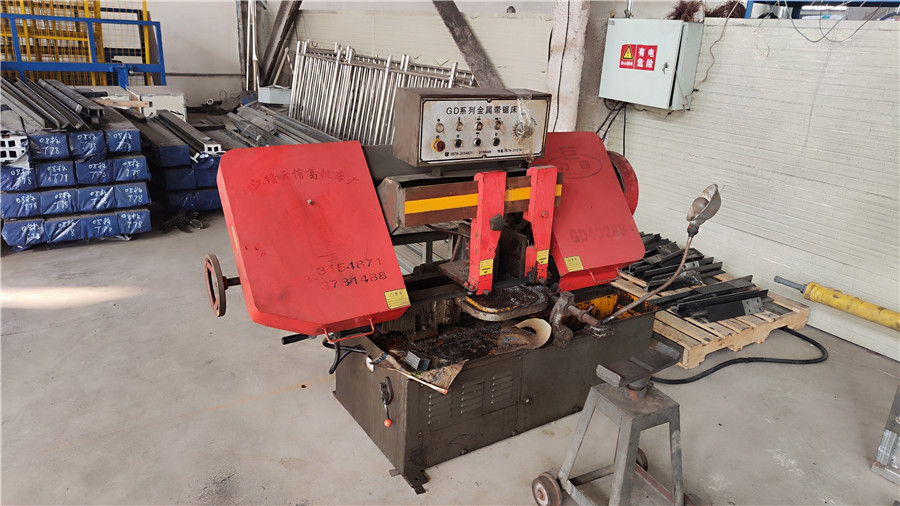
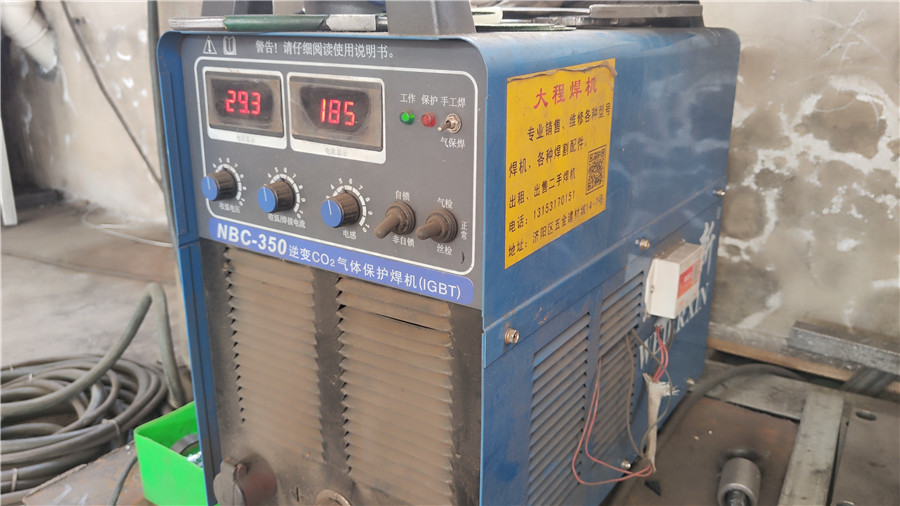
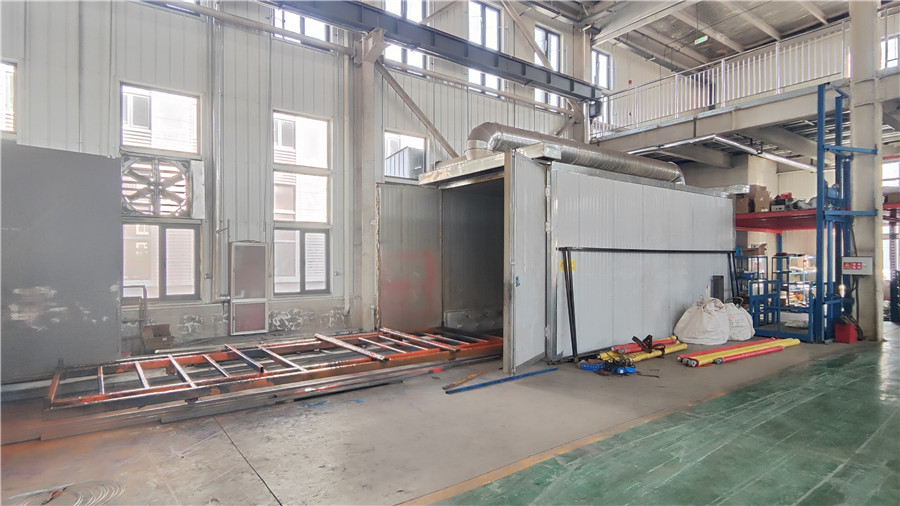
Visualizing our step-by-step high precision production process
Expert insights addressing key design and selection queries
Wheel material selection depends on load capacity, environmental conditions, and floor protection needs. Polyurethane wheels protect concrete floors and absorb shock, while steel or cast-iron wheels are better suited for extremely heavy capacities but require smooth steel tracks or robust steel flooring. Pneumatic or solid rubber wheels are preferred for uneven outdoor ground.
Dynamic load calculations include static load weight, live loads (e.g., dynamic forklift loading), and acceleration/deceleration inertial forces. As a standard engineering safety protocol, a dynamic load multiplier (typically between 1.25 and 1.5) is applied to prevent structural fatigue and bearing failure over time.
Powered carts must feature integrated emergency stop buttons, audible alarms during movement, flashing safety lights, and contact sensing bumpers or non-contact optical scanners (LiDAR) to automatically stop the cart upon detecting an obstacle. Dead-man controls are mandatory on manual pull-carts to prevent runaway scenarios.
Yes. For uneven floors, carts can be equipped with articulating axles, three-point suspension layouts, or dual-wheel polyurethane casters mounted on heavy mechanical spring-dampening suspension systems. This ensures all wheels maintain contact with the floor, preventing load-shifting.
Complete your material handling system with heavy-duty components and rigging solutions
 Pak Lift