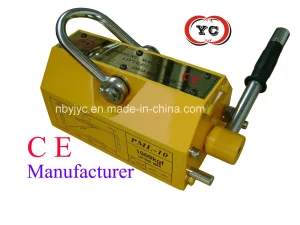
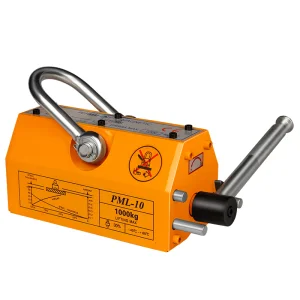
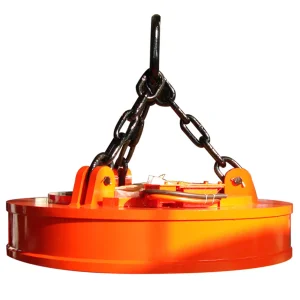
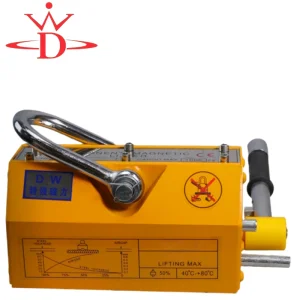
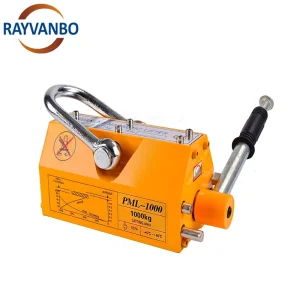
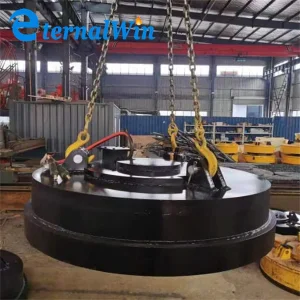
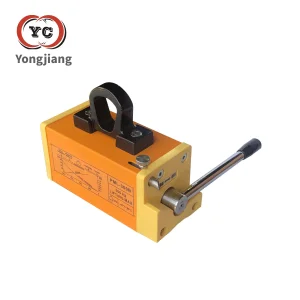
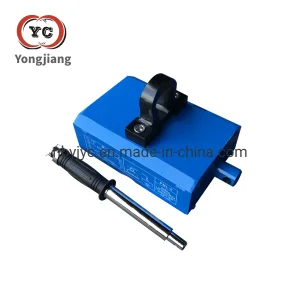
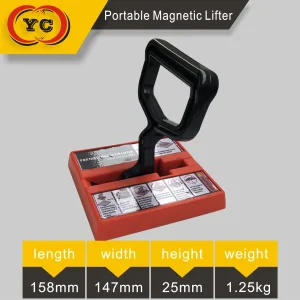
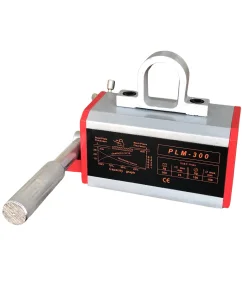
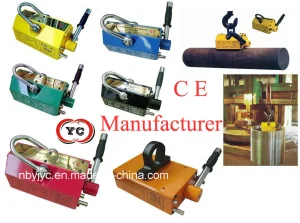
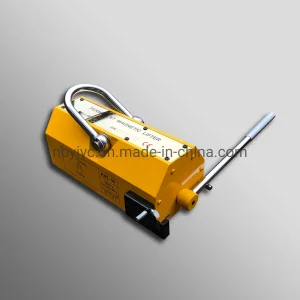
High-performance permanent magnetic lifters constructed with heavy-duty neodymium cores, optimized for immediate deployment in the Lualaba and Katanga mining sectors.
In the core of the African continent, the Democratic Republic of Congo (DR Congo) represents one of the most resource-dense mineral frontiers on earth. As global mining giants, domestic processing centers, and heavy infrastructure developers expand their operations in critical areas like the Katanga Copperbelt, Lubumbashi, Kolwezi, and Kinshasa, safe and efficient material handling systems have transitioned from simple operational choices to strategic necessities.
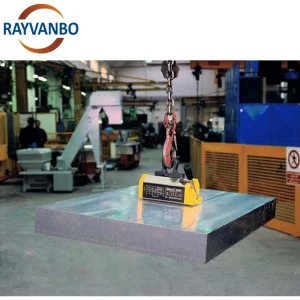
Magnetic lifting technology serves as the mechanical backbone for modern mining logistics, scrap reclamation, and metallurgy in the region. Unlike traditional mechanical slings or chains, permanent magnetic lifters facilitate rapid, non-destructive, and exceptionally secure transport of heavy steel plates, structural components, raw iron products, and copper-cobalt processing equipment components. This whitepaper analyzes the mechanical adaptations, local environmental hurdles, global compliance frameworks, and logistics channels necessary to successfully supply and deploy high-strength magnetic lifting machinery across DR Congo's harsh and demanding operational environments.
The mining industry in DR Congo, particularly copper and cobalt extraction, is undergoing massive mechanization. Large-scale projects require high-throughput equipment that can handle extreme loads without failure. Heavy steel processing mills, casting operations, and crushing plants rely on continuous machinery availability. Any unexpected downtime in extraction sites located in Lualaba or Haut-Katanga results in substantial financial losses.
This industrial push demands lifting gear that operates perfectly under conditions characterized by high humidity, ambient red dust, and intermittent electrical supply. Standard electromagnetic systems require constant electrical energy and complex backup generators to prevent accidental payload drops during sudden power failures. Conversely, Permanent Magnetic Lifters (PML) use internal neodymium rare-earth magnets that do not require external power to sustain magnetic hold. This makes PML systems exceptionally safe and efficient in remote African mines where power grid stability is a persistent challenge.
When supplying magnetic lifters to operations in DR Congo, manufacturers must address local environmental factors. The climate in regions like Katanga features tropical wet-and-dry seasons with high ambient temperatures and atmospheric humidity. Neodymium-Iron-Boron (NdFeB) permanent magnets are highly sensitive to thermal thresholds. Standard N-grade NdFeB magnets can experience irreversible magnetic flux loss if subjected to temperatures exceeding 80°C.
In deep mines or near copper/cobalt smelting furnaces in Lubumbashi, structural steel surfaces can heat up significantly due to solar radiation or thermodynamic processes. Sourcing lifters with high-temperature magnetic grades (such as M, H, SH, or UH-grade neodymium) is critical. These specialized components maintain magnetic integrity up to 120°C, 150°C, or 180°C respectively. Additionally, the high relative humidity can accelerate oxidation of raw neodymium. To protect the cores, Pak Lift uses multi-layered electroplating (Nickel-Copper-Nickel or Zinc coating) and seals the internal magnetic circuits inside thick, heavy-duty steel housings.
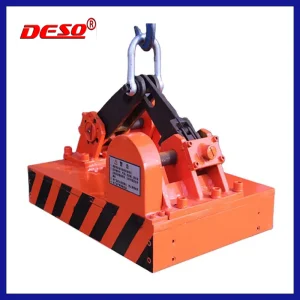
High-power systems designed for bulk handling, metal scrap sorting, and intensive steel movement in industrial hubs like Kinshasa and Kolwezi.
Heavy lifting operations in international mining jurisdictions require strict adherence to international safety parameters. Under standard conditions, magnetic lifters must incorporate safety factors of at least 3.0 to 3.5 times the rated load limit. For instance, a magnetic lifter designated for a working load limit (WLL) of 1,000 kg must withstand testing loads up to 3,000 kg or 3,500 kg before detachment. This safety buffer compensates for variables such as surface corrosion, scaling, paint coats, and air gaps, which degrade raw magnetic hold.
Our manufacturing protocols align with European Standards (CE Certificate, EN 13155) and US standard ASME B30.20 for below-the-hook lifting devices. When supplying to major operators in DR Congo, we provide complete technical documentation, structural material certificates, and verified magnetic pull-test reports. This level of technical oversight is essential for compliance audits managed by multinational mining houses and global inspection bodies like SGS or Bureau Veritas operating within Africa.
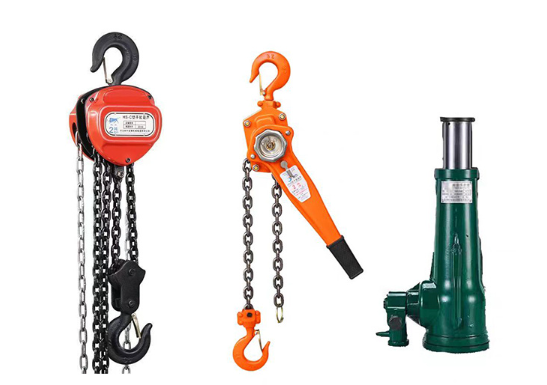
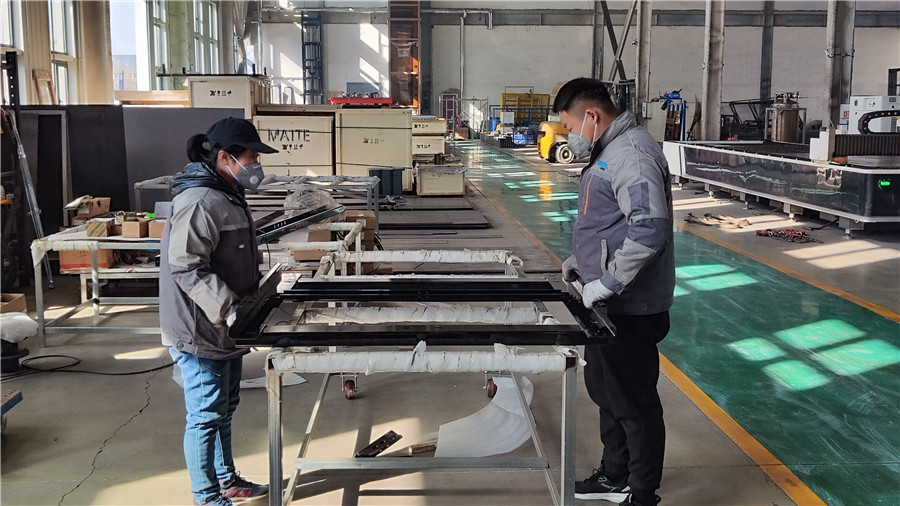
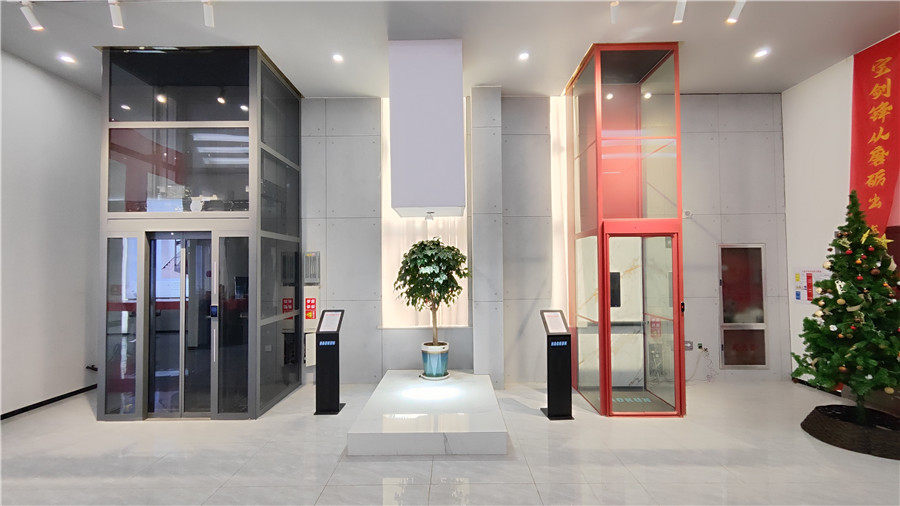
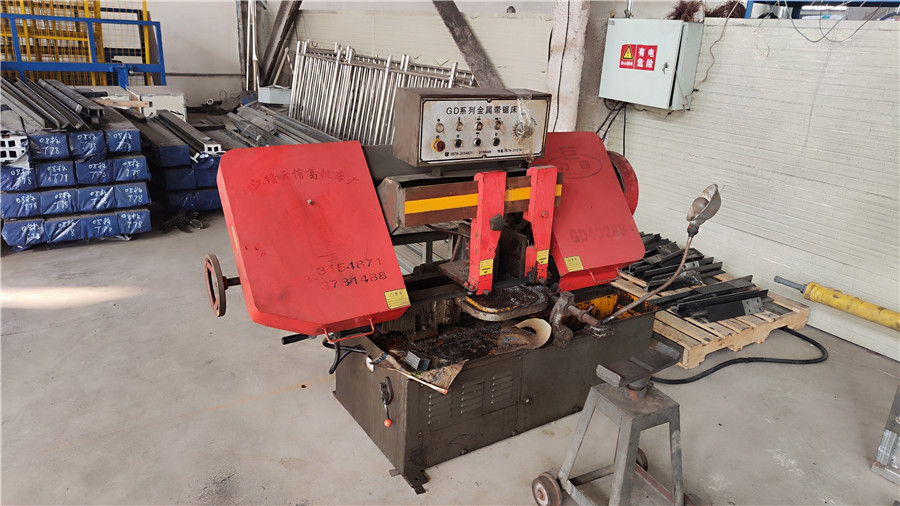
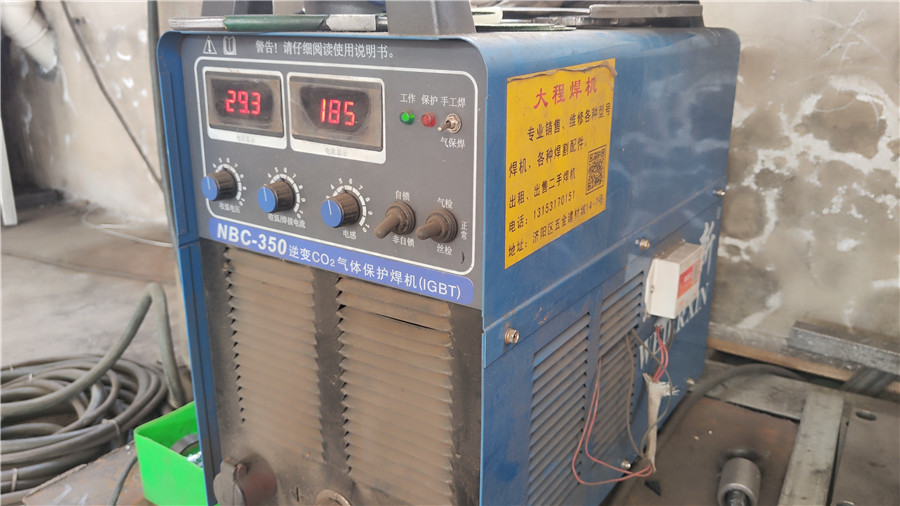
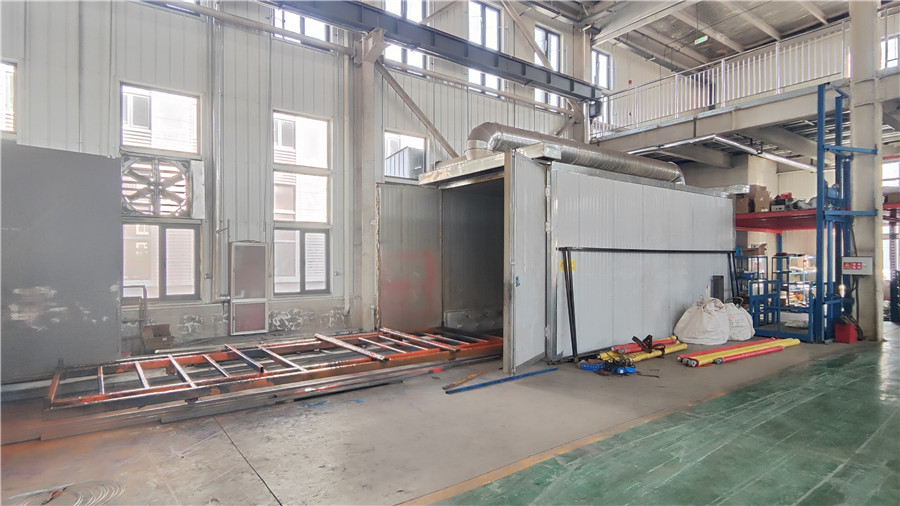
Figure 1: Zhejiang Pak Lift Equipment Co., Ltd. modern manufacturing base, producing world-class lifting machinery for international exports.
Zhejiang Pak Lift Equipment Co., Ltd. is a leading enterprise specializing in the research, development, manufacturing, and sales of lifting machinery and equipment. Based in Zhejiang, we are committed to delivering high-quality lifting solutions that cater to both domestic and international markets. Our main focus is on the export of cranes and other lifting equipment, with a comprehensive product portfolio that includes electric winches, electric hoists, elevators, hoisting tools, and a wide range of related accessories.
Our company is a pioneer in the mechanical equipment industry, serving sectors like construction, mining, logistics, and warehousing with cutting-edge lifting solutions. With an experienced technical team and state-of-the-art manufacturing facilities, we ensure that every product meets the highest standards of safety, reliability, and performance.
Pak Lift prides itself on its strong presence in both local and international markets. Our products are exported to over 30 countries and regions around the globe, and we have established long-term, stable business relationships with numerous customers worldwide. We have built a reputation for reliability, innovation, and quality, earning the trust and satisfaction of our customers across various industries.
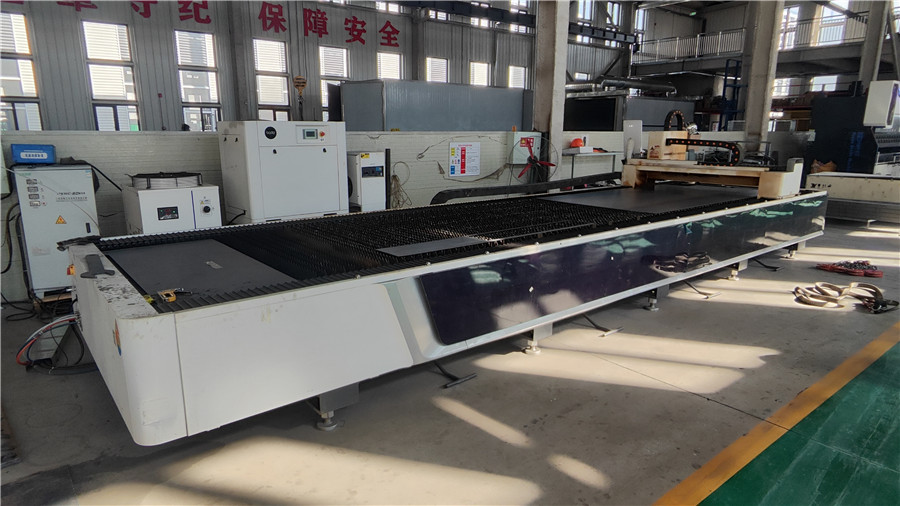
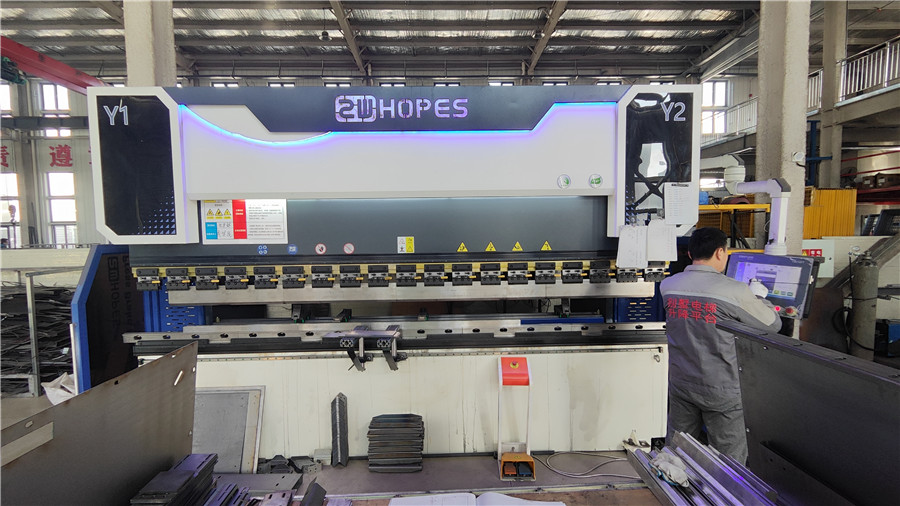
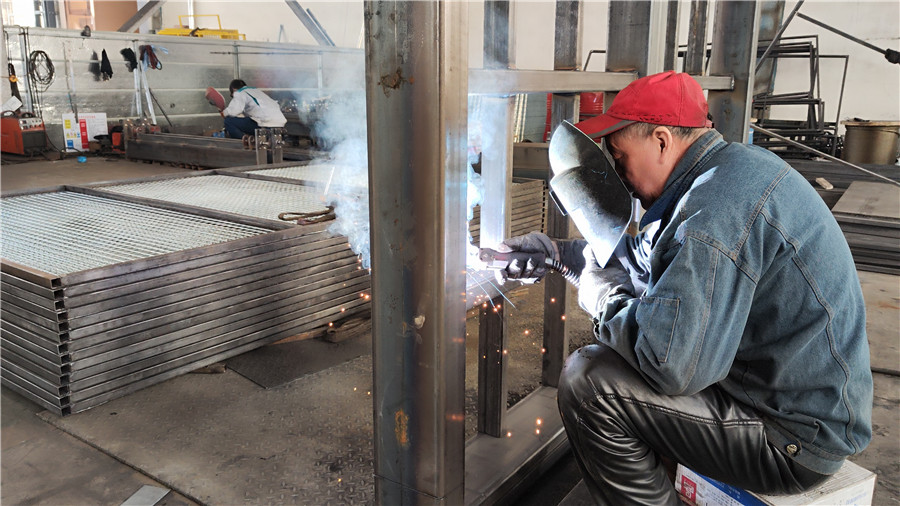
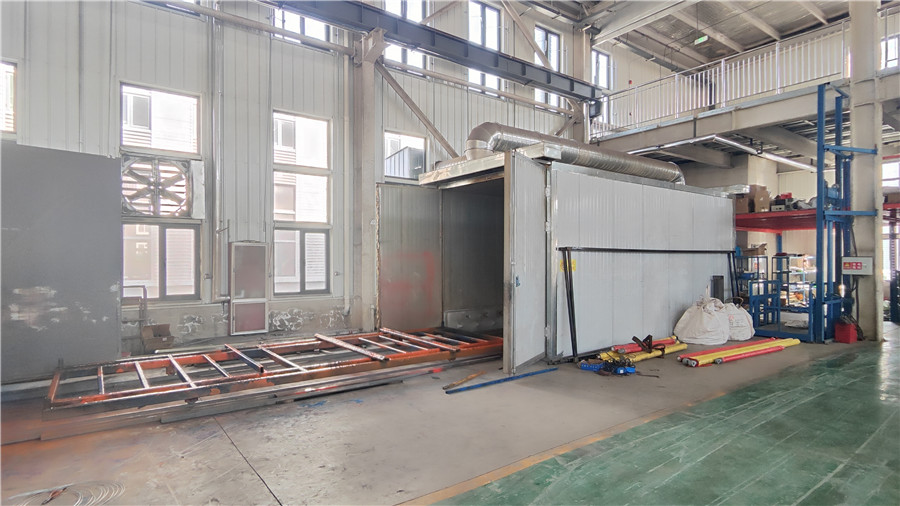
Our complete production workflow, showing the rigorous manufacturing processes that enable us to build heavy-duty magnetic lifters capable of handling the most demanding operating conditions in DR Congo.
Shipping industrial equipment to inland mining districts in Central Africa requires careful logistics planning. For operations located in the Katanga and Lualaba provinces (such as Lubumbashi, Likasi, and Kolwezi), maritime shipping routes typically head to ocean ports on the east coast of Africa. The Port of Dar es Salaam in Tanzania and the Port of Durban in South Africa serve as key import hubs. From these points, cargo travels via truck networks passing through Zambia and the Kasumbalesa border post.
For projects situated in Kinshasa or the western territories, products are shipped to the Port of Matadi. This coastal access enables rapid local transport. Because customs clearance and cross-border transport can introduce unexpected delays, Pak Lift secures all international shipments in seaworthy, heavy-duty wooden crates lined with volatile corrosion inhibitor (VCI) film. This packaging shields sensitive neodymium components from moisture exposure during sea voyages and long overland transit.
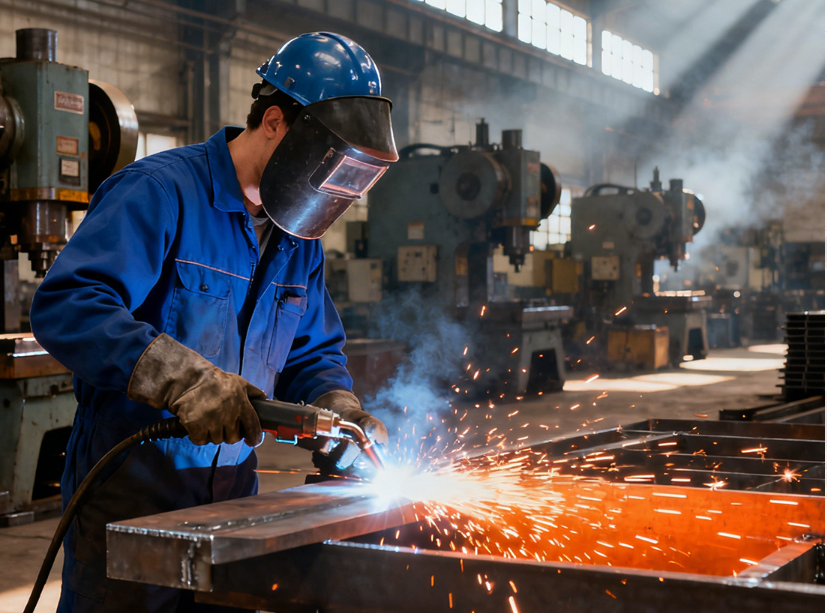
Figure 2: Safe cargo handling protocols, ensuring heavy industrial lifting systems arrive damage-free at their final destination.
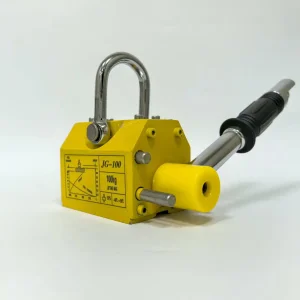
Our top-performing permanent magnetic systems, engineered to deliver reliable performance in heavy infrastructure and mining logistics.
Expert technical answers regarding the deployment, operation, and maintenance of industrial magnetic lifters in Central African climates.
High ambient and contact temperatures can degrade magnetic flux density. Standard neodymium magnets (NdFeB) start losing magnetic energy at 80°C. For smelting facilities in Lubumbashi or hot outdoor operations in Lualaba, we use high-coercivity magnetic alloys (such as H or SH grade) that maintain stable lifting forces at temperatures up to 120°C and 150°C.
Dust buildup, paint coatings, and surface corrosion create an air gap between the lifter and the payload. This gap reduces the magnetic circuit's overall holding power. Our standard 3.0x to 3.5x safety design factor ensures a secure hold even with slight surface scaling. We advise operators in dusty mine environments to clean the pole faces before each lift.
Permanent magnetic lifters use a mechanical lever or internal automatic switch mechanism. They do not depend on external power to hold loads. This design avoids the safety risks of power outages or generator failures in remote mining regions, ensuring the load remains locked in place until manually released.
We regularly ship to DR Congo via the ports of Dar es Salaam and Durban for southern sites, and Matadi for western installations. All equipment is packed in reinforced, seaworthy wooden cases with rust-preventative packaging. We also provide online technical support and documentation to guide local engineering teams through setup and maintenance.
Contact our engineering team for customized specifications, detailed safety verification certificates, and logistics quotes tailored for your mining or industrial site in DR Congo.
Send Inquiry Now Pak Lift