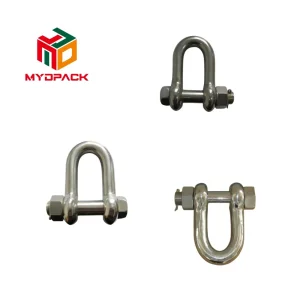
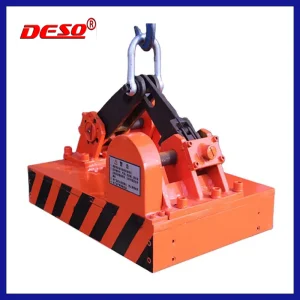
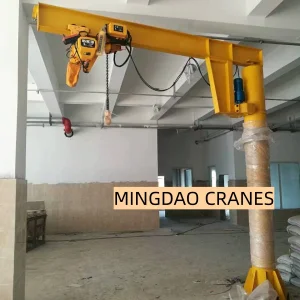
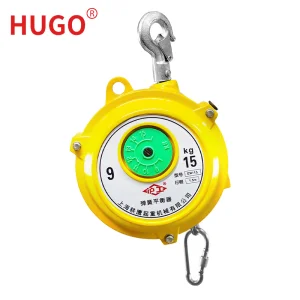
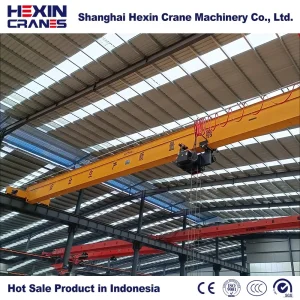
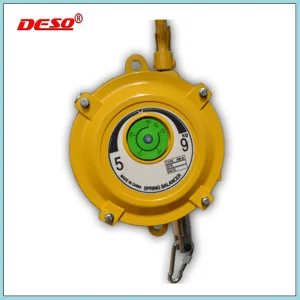
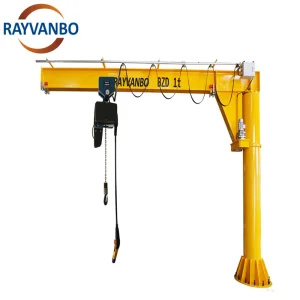
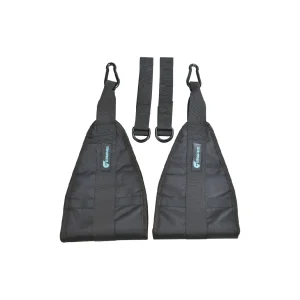
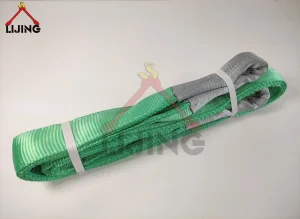
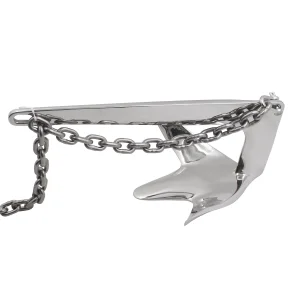
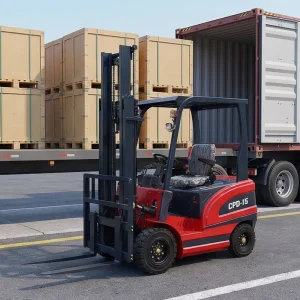
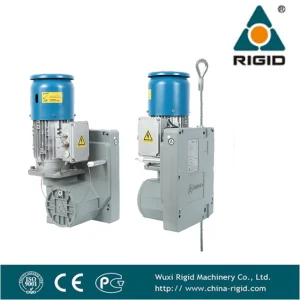
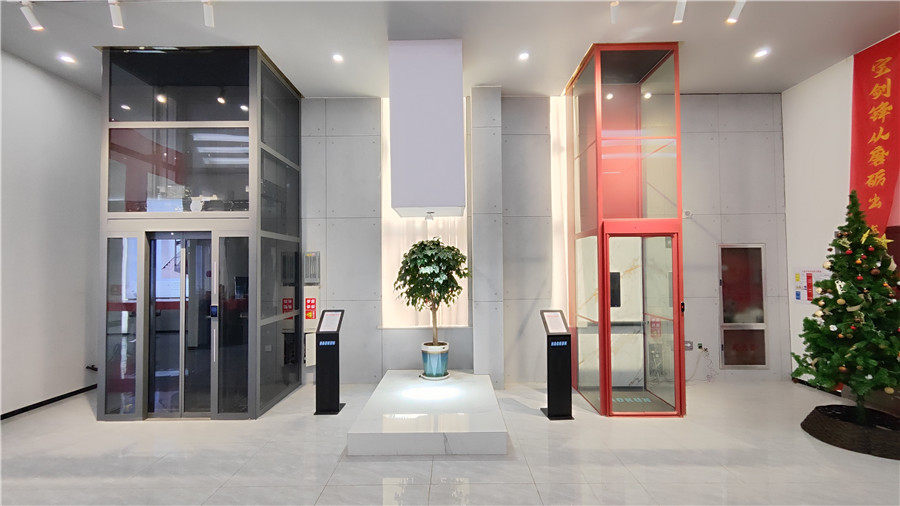
Featured industrial machinery, hardware, and hoisting components designed to execute demanding vertical and horizontal transfers.
Pneumatic conveying is a highly efficient engineering method for transferring dry bulk materials, such as powders, granules, pellets, and fluidizable solids, through closed pipelines using compressed air or vacuum power. By eliminating manual handling and open conveyors, industries achieve an enclosed environment that dramatically cuts material spillage, dust emissions, and environmental contamination.
For operations demanding strict compliance, CE Certification remains non-negotiable. This certification acts as verification that your bulk handling systems comply with the strict machinery safety, electric compatibility, and pressure equipment directives established in the European Economic Area. Sourcing CE-certified pneumatic solutions minimizes compliance bottlenecks while protecting workers against hazardous dust explosions (ATEX zones) and mechanical faults.
Whether configuring dilute-phase flow for light powders or low-velocity dense phase systems to transport fragile or highly abrasive substances, selecting engineered-to-order pneumatic equipment ensures your materials flow with minimal degradation, maximum throughput, and decreased power consumption.
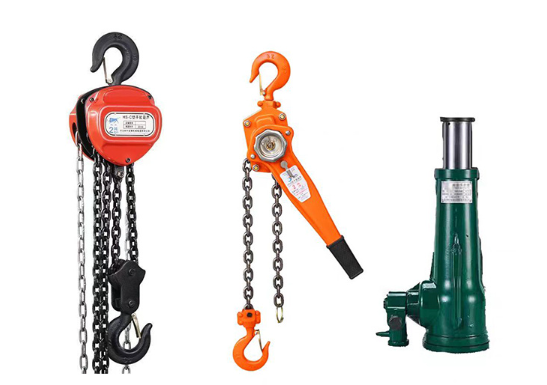
Zhejiang Pak Lift Equipment Co., Ltd. is a leading enterprise specializing in the research, development, manufacturing, and sales of heavy-duty lifting machinery and industrial material handling systems. Based in Zhejiang, China, we are committed to delivering high-quality, engineered solutions that cater to both domestic and international markets. Our export portfolio spans electric winches, electric hoists, elevators, hoisting tools, pneumatic transfer hardware, and custom-designed system accessories.
Our company acts as an engineering partner for critical sectors including construction, mining, metallurgy, petrochemicals, logistics, and food-grade packaging. Utilizing state-of-the-art manufacturing facilities, a deep-seated R&D department, and strict QA protocols, we verify that every product is optimized for safety, efficiency, and long-term durability.
Pak Lift exports equipment to over 30 countries and regions across the globe, establishing stable relationships with leading multinational corporations. Our business framework is supported by financial security, dynamic technical design services, and a dedication to corporate social responsibility.
With over 300 products covering industrial material handling machinery, Pak Lift serves markets in 30+ countries.
Robust financial foundation supporting heavy capital R&D investments, advanced tooling, and high-volume raw materials sourcing.
Comprehensive solutions, combining pneumatic systems, winches, bridge cranes, hoists, and custom lifting accessories.
A professional team of fluid dynamics and mechanical structural engineers customizing solutions to maximize plant layouts.
Understanding the cost, supply chain, and engineering advantages of modern Chinese manufacturing centers.
Proximity to first-tier metallurgy plants, precision casting foundries, and raw steel suppliers allows China factories to source certified SS304, SS316L, and structural alloys at highly competitive rates. Combined with the local presence of electrical and motor manufacturers, this structural ecosystem streamlines assembly times and cuts logistical cost markups.
Modern Chinese engineers utilize advanced 3D CAD modeling, Computational Fluid Dynamics (CFD), and finite element analysis (FEA) to design systems tailored specifically to customer space constraints. Adjusting air velocities, custom hopper sizing, and specifying rotary valve tolerances can be engineered and prototyped rapidly compared to Western competitors.
Export-oriented Chinese manufacturers maintain rigorous alignment with European directives. With CE Machinery, Pressure Equipment (PED), and ATEX compliance, products are designed, wired, and tested to slot directly into European plants, meeting OSHA safety standards, IEC wiring protocols, and DIN flange requirements.
Pneumatic conveying is dynamic; how it behaves depends entirely on product properties. We customize solutions for diverse operational demands.
| Industry Sector | Material Handled | Conveying Phase & Method | Core System Challenges Resolved | Regulatory Standards Required |
|---|---|---|---|---|
| Food Processing | Flour, Sugar, Milk Powder, Spices, Cocoa | Dilute or Dense Phase Vacuum (Hygiene Focus) | Cross-contamination prevention, zero moisture absorption, clean-in-place (CIP) execution, sanitization. | FDA approval, CE Food Grade (EC 1935/2004), ATEX zone ratings. |
| Pharmaceutical | Active Pharmaceutical Ingredients (APIs), Granules, Powders | Closed-loop Nitrogen Vacuum Conveying | Oxidation prevention, containment of highly active compounds, zero product cross-contamination. | GMP (Good Manufacturing Practices), USP Class VI, CE certification. |
| Chemical & Plastics | Polymer Pellets, Carbon Black, Catalysts, Silica | Dense Phase Positive Pressure (Low Velocity) | Minimal abrasive piping wear, preventing product degradation and angel hair creation in plastic pellets. | ATEX Directive 2014/34/EU, CE Machinery Directive. |
| Mining, Glass & Cement | Quartz Sand, Fly Ash, Cement Clinker, Limestone | High Pressure Dense Phase (Blow Vessels) | Extremely heavy mass flow rates, high durability piping design to prevent wear from highly abrasive materials. | ISO 9001, CE PED (Pressure Equipment Directive). |
| Energy & Biomass | Wood Pellets, Pulverized Coal, Agricultural waste | Positive Pressure Dilute Phase Conveying | High throughput long-distance feed, robust rotary lock feeder operations, explosion mitigation. | ATEX Compliance, CE directives, EN ISO 12100. |
For corporate purchasing departments and project engineers, procuring pneumatic conveyors involves verifying specific data configurations to ensure system compatibility with existing facilities. An off-the-shelf unit will rarely work. Systems must be engineered based on precise mathematical parameters:
Defining the required tonnage per hour (t/h) determines the line sizing, air source sizing (blowers or compressors), and receiver capacities. Dilute systems require high air velocities (15–30 m/s) to keep materials suspended. In contrast, dense systems rely on high pressure and lower velocities (1.5–10 m/s) to push slugs of material, minimizing friction and wear.
Powders suspended inside pneumatic lines create highly explosive dust atmospheres. System suppliers must integrate ATEX-certified safety elements, including explosion venting panels, explosion isolation valves, grounding rings to discharge static, and spark detection units to guarantee safe operations.
Ensure your technical RFQ contains the following specifications:
How digital controls, IoT diagnostics, and environmental compliance are shaping the next generation of materials transport.
Using real-time pressure transducers and variable frequency drives (VFDs) on blower packages, modern systems auto-adjust gas flow based on line pressure changes. This prevents line blockages and reduces energy consumption during low product flow conditions.
Piping bends are highly susceptible to wear when handling abrasive compounds like silica or fly ash. Integrating acoustic wave sensors along pipe curves alerts plant managers when pipe walls thin past safety margins, avoiding catastrophic dust release incidents.
Closed-loop systems recirculate clean, inert nitrogen gas rather than discharging dust-laden air into the atmosphere. This saves costly material product, keeps nitrogen loops sealed for process chemistry, and eliminates secondary clean-up costs.
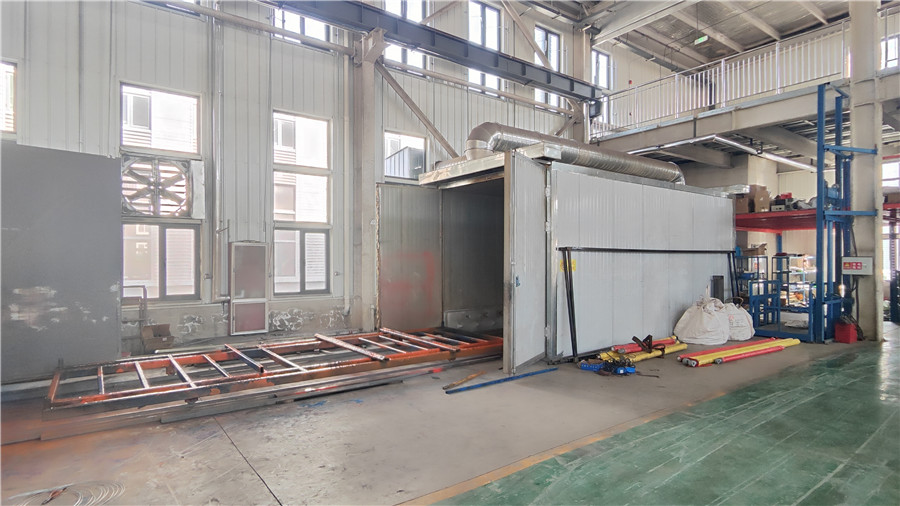
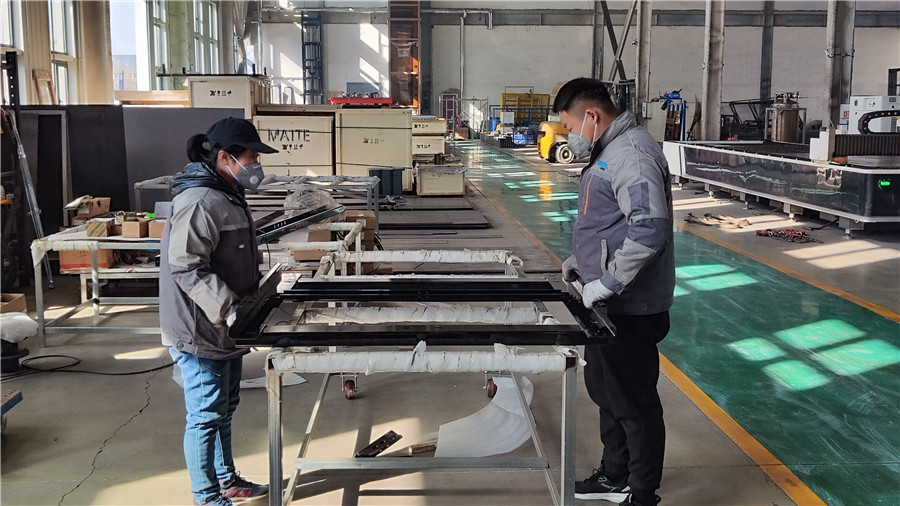
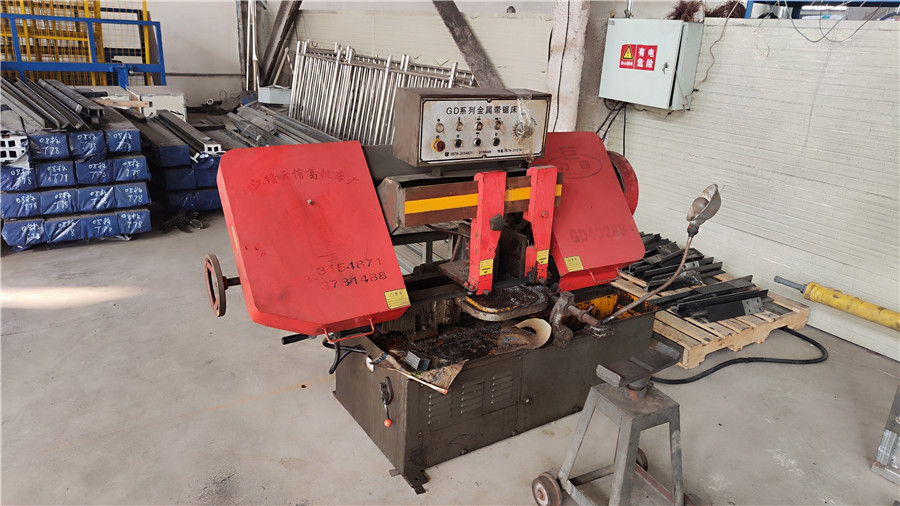
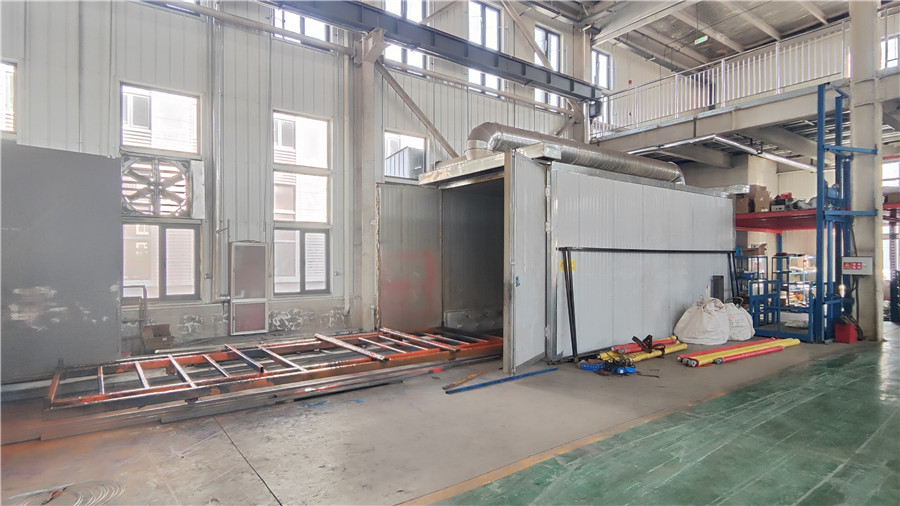
Take a step-by-step tour through our high-precision manufacturing steps, showing how raw materials are transformed into finished machines.
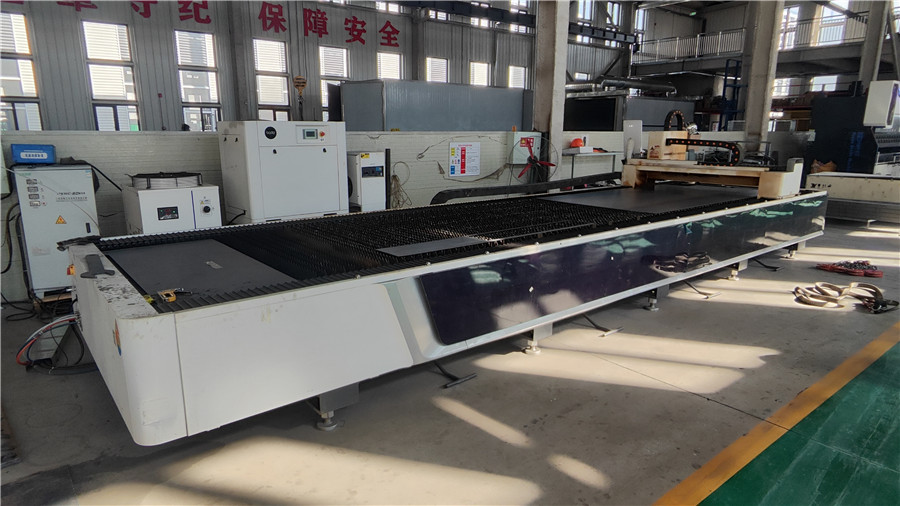
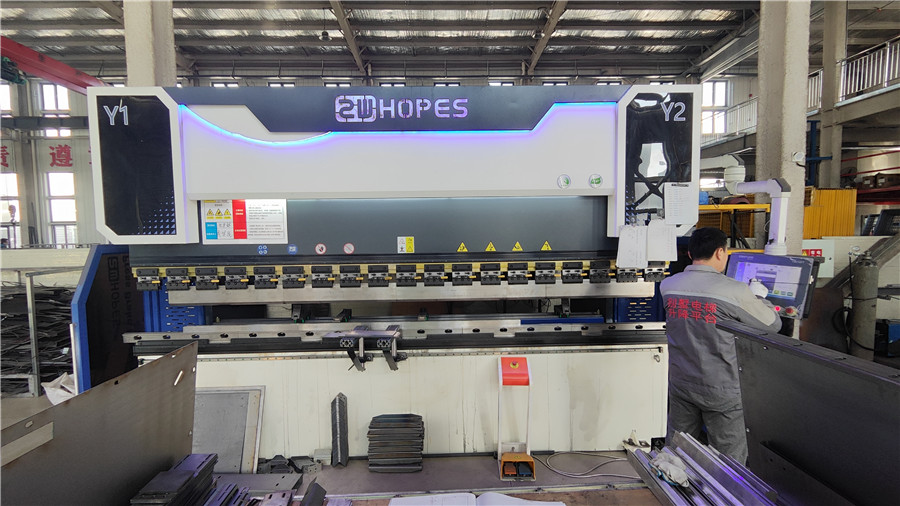
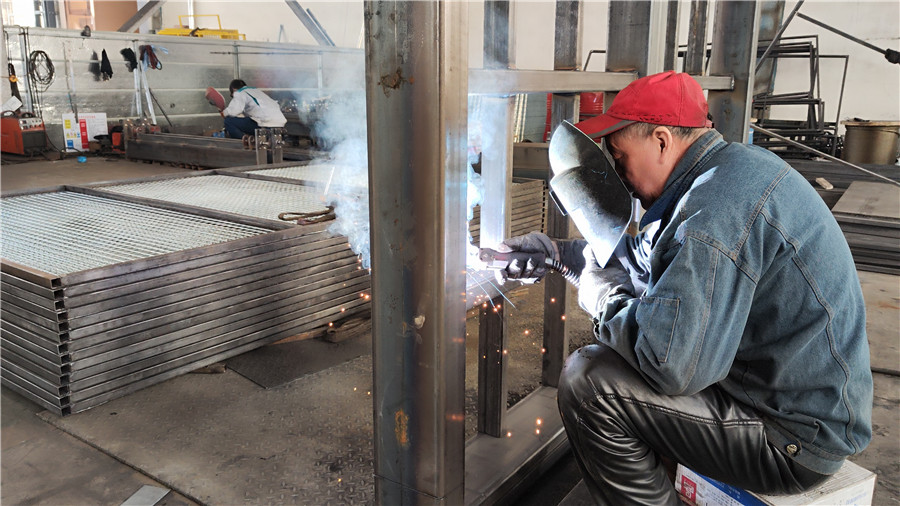
Answers to technical engineering and procurement questions regarding pneumatic conveying system specification, operation, and maintenance.
Dilute phase conveying suspends material particles in a high-velocity stream of low-pressure air (typically velocities above 15 m/s, pressures below 1 bar). It is ideal for non-abrasive, non-fragile materials. Dense phase conveying pushes slugged masses of material at low velocities (typically 1.5 to 8 m/s) under high pressures (above 1 bar up to several bar). This phase reduces pipe abrasion and prevents product breakages, making it suitable for sand, quartz, or delicate grains.
CE Certification is a legal declaration by the manufacturer that the machinery complies with all relevant safety, environmental, and electrical requirements under European directives. For pneumatic conveyors, this includes the Machinery Directive 2006/42/EC, Low Voltage Directive 2014/35/EU, EMC Directive 2014/30/EU, and, where applicable, the Pressure Equipment Directive (PED) 2014/68/EU. Without this, equipment can be blocked at EU customs, and plant operators face severe liabilities in the event of an accident.
Total pressure drop is the sum of: (1) pressure drop across clean pipes due to air friction, (2) pressure drop needed to accelerate the solids at feed points, (3) friction losses of the solids moving along straight horizontal/vertical pipes, (4) pressure losses through pipe elbows/bends, and (5) pressure drops across terminal receivers or bag filters. Accurate calculations require assessing solid-to-air loading ratios using empirical charts or fluid dynamics simulations (CFD).
To control static and combustible dust risks, we apply comprehensive safety layouts: grounding all pipe sections to discharge static buildup, utilizing spark-free material receivers, selecting ATEX-rated rotary valves, installing flame isolation valves, and inserting explosion vents with burst detection sensors. In cases of highly explosive powders, a closed-loop system using dry nitrogen instead of oxygen is used to prevent the atmosphere from reaching combustible thresholds.
Bulk density directly impacts the volume of material compared to its weight. Light materials (like sawdust, flour) occupy large volumes but require less energy to suspend. Dense materials (like iron ore, alumina) require high-pressure air streams to prevent settling. Knowing bulk density is critical for sizing receiving hoppers, selecting air-lock valve volume capacities, and calculating the horsepower requirements of Roots blowers.
Engineered options supporting industrial plant configurations, workshop material movement, and mechanical infrastructure projects.
 Pak Lift